In This Guide
Private tours from Muscat start from OMR 25/person for a Wadi Shab day trip, OMR 60/vehicle for Nizwa, and OMR 220/vehicle for a 5-day road trip covering Muscat, Wadi Shab, Nizwa, Jebel Akhdar, and Wahiba Sands. All tours are private — no shared buses. English-speaking local driver included. WhatsApp +968 94681176 for a same-day fixed quote.
Every time I land at Muscat International Airport and feel that first rush of warm, frankincense-scented air, I'm reminded why this city makes such a logical — and genuinely exciting — base for exploring the rest of the country. Muscat sits at the geographical heart of Oman's most visited corridor, with the Hajar Mountains to the west, the Wahiba Sands to the south, and some of the Indian Ocean's clearest coastal waters directly to the east. Whether you have two days or two weeks, a tour in Oman from Muscat puts you within reach of landscapes that would make any seasoned traveller raise an eyebrow.
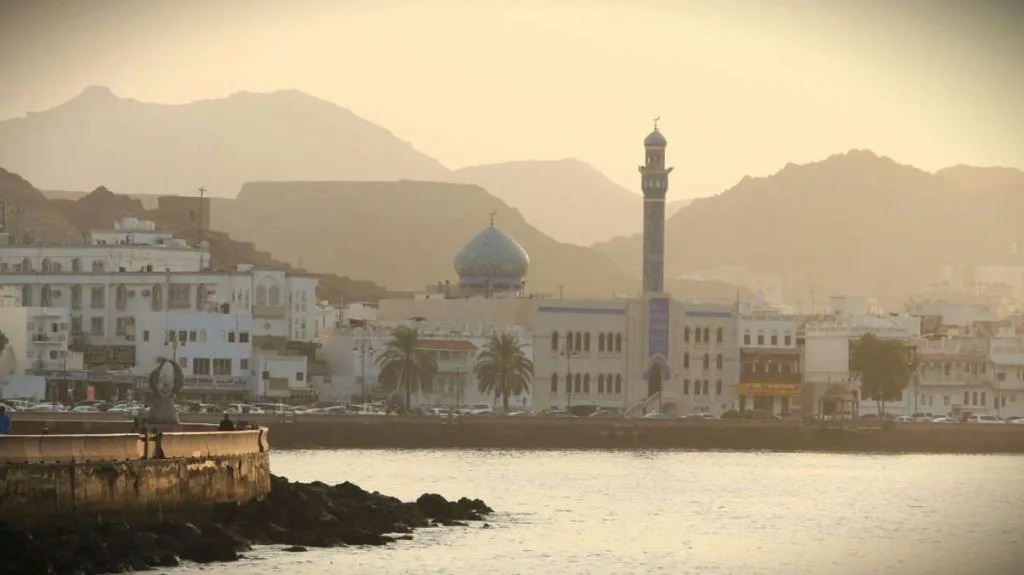
The city itself is more than just a staging post. Muscat sprawls across a dramatic stretch of coastline wedged between volcanic black mountains and the sea, with distinct neighbourhoods — Mutrah with its centuries-old souq, Muttrah Corniche, the diplomatic quarter of Shatti Al Qurum, and the royal district of Al Bustan — each offering something different. But the moment you leave the capital, Oman reveals itself at pace. The roads are excellent, the distances are manageable, and the contrast between desert, mountain, wadi, and coast can be experienced within a single long day.
Muscat also has the country's best infrastructure for travellers: reliable international flights, a growing range of accommodation from boutique riads to five-star beach resorts, and a well-developed network of licensed tour operators and private drivers who know every back road into the mountains. That combination of access, variety, and quality service is why most visitors — whether Indian families, European couples, or solo backpackers — begin and end their Oman journey here.

Oman's touring landscape is refreshingly varied. After years of writing about this country for Lonely Planet and Condé Nast Traveller, I've come to believe no two travellers should follow exactly the same route — but these are the experiences that consistently deliver.
A half-day city tour typically covers the Sultan Qaboos Grand Mosque, Mutrah Souq, the old Muscat district with its Portuguese-era forts (Mirani and Jalali), and Al Bustan Palace waterfront. The Grand Mosque alone warrants two to three hours — its main prayer hall holds 20,000 worshippers and houses one of the world's largest hand-woven Persian carpets. Most operators charge between $35–55 (£28–44 / €32–50) per person for a guided half-day tour, or you can hire a private car with driver for around ₹4,500–6,000 for the day. City tours make excellent first-day orientation, especially for visitors who arrive the evening before heading out to the countryside.
This is arguably the most popular single-day excursion from Muscat. Wadi Shab lies roughly 150 kilometres southeast of the city along the coastal highway, about a two-hour drive. The wadi walk itself takes two to three hours return, ending in a series of turquoise pools deep inside the gorge — the last pool is accessible only by swimming through a narrow cave passage, which makes it feel genuinely adventurous. The Bimmah Sinkhole, a collapsed limestone cave now filled with blue-green water, sits just 10 kilometres before Wadi Shab and takes under an hour to visit. Day trips covering both sites typically run $60–85 (£48–68 / €55–78) per person in a group, or ₹10,000–14,000 for a private vehicle.
Nizwa sits 165 kilometres southwest of Muscat — around a two-hour drive on a modern dual carriageway through the Hajar Mountains. Oman's ancient capital is anchored by its 17th-century fort and its famous Friday livestock souq, where goats and cattle change hands in a scene that feels entirely unchanged. From Nizwa, the road climbs to Jebel Akhdar (the Green Mountain), reaching altitudes above 2,000 metres. This is rose-farming country; during the spring harvest, the terraced villages of Al Ayn and Birkat Al Mawz are fragrant and spectacular. A 4WD is mandatory on the upper sections. Overnight stays at one of the cliff-edge lodges make this a particularly memorable two-day extension.
The Wahiba Sands (officially Sharqiyah Sands) begin around 180 kilometres south of Muscat. Most visitors combine them with a stop at Wadi Bani Khalid — a year-round oasis with permanent swimming pools surrounded by date palms, about 40 kilometres before the desert edge. Desert camps within the Wahiba offer overnight stays with dune drives, camel rides at sunset, and Omani barbecue dinners under genuinely dark skies. Overnight desert packages from Muscat run approximately $120–180 (£95–145 / €110–165) per person including transport, camp dinner, and breakfast. The dunes here reach 100 metres in places and the light at golden hour is extraordinary.
For something slower-paced, the coastline between Muscat and Sur offers boat trips to spot dolphins (the waters between Muscat and Bandar Khayran are particularly reliable), snorkelling at the Daymaniyat Islands Nature Reserve, and traditional dhow cruises from Mutrah Harbour. The Daymaniyat Islands, a protected marine reserve roughly 18 kilometres off the coast near Barka, are rated among the best diving sites in the Arabian Sea, with visibility regularly exceeding 20 metres. Half-day snorkelling trips cost around $45–65 (£36–52 / €41–60) per person from Muscat marina operators.

This is the most common question I receive from travellers planning an Oman trip. Both options work well, but they suit different travel styles and budgets. Here's an honest comparison:
| Option | Cost (Per Day) | Flexibility | Best For |
|---|---|---|---|
| Private driver/vehicle | ₹9,000–14,000 / $110–170 | Very high — your schedule | Families, couples, anyone wanting off-route stops |
| Small group tour (6–12 pax) | $45–90 / £36–72 per person | Low — fixed itinerary | Solo travellers, budget-conscious visitors |
| Self-drive rental | $55–90 / £44–72 (car only) | Maximum | Experienced drivers, multi-day road trips |
| Guided multi-day package | $150–250 / £120–200 per person | Moderate — pre-set but comprehensive | First-time visitors wanting accommodation included |
My personal recommendation for Indian families and groups of four or more: private vehicle every time. The cost per head becomes competitive, you can stop at roadside shops selling Omani honey and dried limes, and you're not waiting for twelve other tourists to return from the bathroom at Wadi Shab.
This is peak season, and for good reason. Temperatures in Muscat range from around 18°C at night to 28°C during the day in December and January — genuinely comfortable for walking, wadis, and outdoor markets. The Jebel Akhdar rose harvest runs from late February through early April, turning the mountain villages pink. February and March also see some rain in the mountains, which fills wadis and turns the landscape briefly green. Book accommodation at least four to six weeks ahead during Christmas, New Year, and the Eid holidays, when Muscat hotels fill quickly with GCC visitors.
June through September is challenging. Muscat regularly hits 42–45°C, and humidity along the coast can be genuinely oppressive. That said, Jebel Akhdar and Jebel Shams stay ten to fifteen degrees cooler and are perfectly tolerable. The monsoon (khareef) season brings mist, green hills, and waterfalls to Dhofar in the south — but that's a separate destination from Muscat. If you're visiting in summer, shift your activities to early morning (6–9am) and late afternoon, keep coastal and wadi trips for October onwards, and use mountain destinations as your main focus. Prices drop significantly and crowds disappear almost entirely.
| Day | Morning | Afternoon | Evening |
|---|---|---|---|
| Day 1 — Muscat | Sultan Qaboos Grand Mosque (8–11am) | Old Muscat forts, Royal Opera House exterior | Mutrah Corniche walk, souq, dinner at local fish restaurant |
| Day 2 — Coast | Depart 7am, Bimmah Sinkhole by 9am | Wadi Shab hike and swim (11am–3pm) | Return to Muscat by 6pm, or overnight at Sur |
| Day 3 — Mountains | Depart 7am, Nizwa Fort and souq by 9:30am | Drive to Jebel Akhdar, village walk at Birkat Al Mawz | Sunset from the plateau rim, return to Muscat by 8pm |
Oman is a conservative Muslim country and dressing modestly earns genuine warmth from locals. For women, loose trousers or long skirts and a lightweight long-sleeved shirt cover the basics; a scarf is essential for Grand Mosque visits. Men should avoid shorts in souqs and forts. Beyond clothing, the practical essentials are: water shoes or sandals for wadi hikes (Wadi Shab involves wading and swimming), a dry bag for phones and cameras, high-factor sunscreen (SPF 50+), a power bank, and cash in Omani Rials for souq purchases and small restaurants. Most tour operators accept card, but rural cafés and roadside stops are still cash-only. For desert overnights, bring a light fleece — Wahiba Sands nights in winter drop to around 12°C.
How many days do I need for a proper tour in Oman from Muscat?
Three to five days covers the highlights comfortably — city, coast, mountains, and a taste of the desert. Seven to ten days allows you to go deeper into Jebel Shams, the Sharqiyah coast, and the ancient ruins at Bahla.
Do I need a visa to visit Oman?
Most nationalities including Indian, UK, US, EU, and Australian passport holders can obtain an e-visa online before travel or a visa on arrival. Indian nationals can apply through the Royal Oman Police portal. Always confirm current requirements before booking.
Is Oman safe for solo female travellers?
In my experience, Oman is one of the safest countries in the Arab world for solo female travellers. Harassment is rare, locals are exceptionally hospitable, and most tour operators are accustomed to solo bookings.
Can I self-drive to Jebel Akhdar?
The lower mountain roads are standard tarmac, but the upper plateau (Saiq Plateau) requires a 4WD — police checkpoints enforce this. If you're renting, ensure you have a proper 4x4. A private driver with a suitable vehicle removes this complication entirely.
What currency is used, and can I use cards widely?
The Omani Rial (OMR) is one of the world's highest-valued currencies — 1 OMR equals approximately $2.60 / £2.05 / €2.40 / ₹216. Hotels, restaurants, and tour operators accept cards widely. Carry some cash for markets, tolls, and remote areas.

If you're ready to plan a tour in Oman from Muscat — whether it's a single day trip to Wadi Shab or a five-day circuit through desert, mountain, and coast — the team at Oman Tour can handle private vehicles, itinerary planning, and on-the-ground logistics from pickup at your Muscat hotel. Private vehicle packages start from ₹17,000 and go up to ₹30,000 per vehicle per day depending on distance, vehicle type, and whether accommodation is included.
Get in touch directly via WhatsApp on +968 9468 1176 for a same-day quote, or browse itineraries and availability at omantour.in. Mention your travel dates, group size, and which destinations interest you most — itineraries are built around your schedule, not the other way around.
Get instant confirmation — WhatsApp reply in 15 minutes