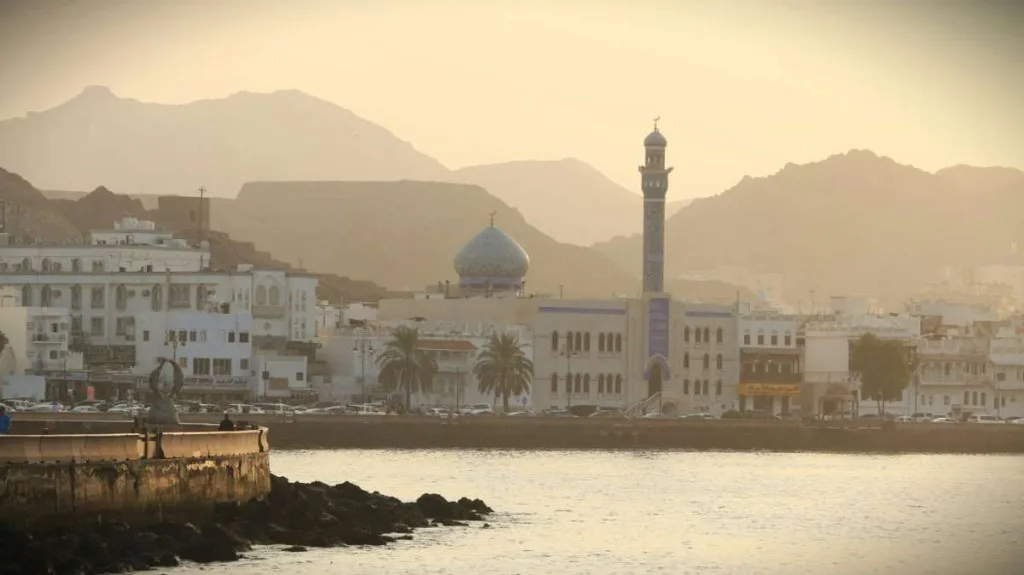
The drive from Muscat to Nizwa takes 2 hours one way. That single fact answers your biggest anxiety: yes, it's genuinely doable in one day. But first-timers always have the same questions—and we answer them directly below, no padding, no fluff. Whether you're a European visitor on a 2-week Oman holiday, a GCC business traveler with a Friday free, or a cruise passenger with 8 hours in port, this FAQ will settle your doubts before you book.
What's the Real Cost of a Muscat-to-Nizwa Day Trip?
Cost breaks into three parts: transport, tour, and meals. Let's be concrete.
If you book a guided tour: A full-day Nizwa day trip costs OMR 69 / USD 69 per person. This includes a driver, itinerary, and escort through Nizwa Souk and Fort. You pay separately for your own transport from your Muscat hotel to the tour operator's pickup point—typically OMR 18–30 (USD 47–78) for airport sedan standard to luxury.
If you rent a car and self-drive: Expect OMR 40 (USD 104) in fuel for the round trip plus petrol station snacks. Car rental runs OMR 30–60 per day depending on vehicle type (contact us for a quote on specific rental partnerships). You'll navigate solo, so budget extra time for wrong turns near Nizwa's medina.
If you hire a private driver for the full day: A sedan full-day private driver costs OMR 75 / USD 195. You control the itinerary, stop where you want, and skip the group-tour pace. For a half-day (4–5 hours), it's OMR 55 / USD 143. This is the sweet spot for first-timers who want flexibility without navigation stress.
Meals: Budget OMR 35 (USD 91) per person for a mid-range lunch in Nizwa (traditional shuwa at a local restaurant costs OMR 4–6; a tourist-zone cafe lunch OMR 12–15). Add OMR 3–5 for coffee and dates at a souk stall.
Attraction entry: Nizwa Fort entry is OMR 20 (USD 52) per person. The Souk is free to walk.
Total for one person, mid-range day trip (guided tour + transport + meals + fort): approximately OMR 140–160 (USD 363–415). For a couple, expect OMR 280–320 (USD 726–830).
Is 2 Hours' Drive Really Manageable, or Will I Burn Out?
Two hours sounds short—and it is. But European and GCC visitors often underestimate Omani driving rhythms. Here's what to expect:
The drive itself: Muscat to Nizwa is a straight highway (E15), 163 km, 2 hours 15 minutes in light traffic, 2 hours 45 minutes in peak (7–9 AM, 4–6 PM). Road quality is excellent—four lanes, well-maintained, speed cameras frequent. Driving solo is legal, but a first-timer on an unfamiliar Middle Eastern highway can find it psychologically draining. That's why a driver (paid or guided tour) is worth every fils.
Fatigue factor: You're not just sitting still. You're navigating airport transport, a 2+ hour highway, parking in an unfamiliar medina, walking steep souk stairs, climbing Nizwa Fort's inner ramp, eating lunch, and reversing it all. A typical day-trip itinerary runs 8–10 hours door-to-door. Many first-timers report they're mentally tired by 4 PM, not because of boredom but sensory overload (new language, heat, crowds, unfamiliar food smells, driving stress).
The honest take: If you're arriving in Oman rested (not the day after a 12-hour flight from Frankfurt or London), and you're traveling with a driver (not self-driving), the day trip is relaxing, not grueling. If you're DIY-ing it on your second day after a red-eye, reconsider.
What Month Should I Go, and What Will the Weather Do to Me?
Oman's climate is extreme in summer, pleasant in winter. Here's the practical breakdown for a Muscat-to-Nizwa day trip:
November to February (peak season): Daytime temps 25–28°C (77–82°F), humidity 50–60%. This is perfect. You can walk Nizwa Souk for 2 hours and only feel pleasantly warm. Fort entry is cool (thick stone walls, shaded passages). Lunch outdoors is comfortable. British, German, and French tourists flood Oman in January; book your driver and tour at least 3 days ahead.
March to May (shoulder spring): Temps 30–38°C (86–100°F), humidity 40–50%. Doable, but you'll feel the heat by 11 AM. Wear lightweight, loose, light-colored clothing. Bring sunscreen SPF 50+. Fort entry still feels cool. A midday souk walk becomes uncomfortable after 45 minutes; many locals take a long lunch break 1–2 PM and return at 4 PM.
June to September (summer): Temps 38–48°C (100–118°F), humidity 60–80%. Not recommended for a first-time day trip. Souk shopkeepers close 1–4 PM. Fort is accessible but exhausting. European visitors often underestimate how sapped they'll feel by 10:30 AM. If you must visit in summer, go very early (6:30 AM departure from Muscat) and finish by 1 PM.
October: Transition month, temp 32–40°C (90–104°F), humidity rising. Similar to May—hot but manageable with precautions.
First-timer recommendation: Aim for November–February. You'll enjoy the trip without struggling against the climate.
What's Inside Nizwa Fort, and Is It Worth the Entry Fee?
Nizwa Fort (Qalaʿat Nizwa) is the visual centerpiece of the day trip. Entry is OMR 20 (USD 52) per person. Here's what you actually get:
The structure: An 1650s-built fort with a massive circular bastion, 40+ meters in diameter. The interior ramp spirals upward for 4–5 levels (no elevator; expect climbing). Stone steps are worn smooth, sometimes steep. Plan 45 minutes to 1 hour to ascend, explore the upper terrace, and descend. From the top, you see the entire Nizwa valley, the date plantations below, and the surrounding jagged mountains—genuinely worth a photo.
What's inside: Mostly empty rooms with plaques explaining Omani history, military functions, and the fort's role in regional politics (12–17th centuries). There's a small weaponry display (swords, shields, old muskets). A souvenir shop sells overpriced trinkets. No air-con; bring water. Toilets are clean. English signage is adequate.
The honest review: The view from the top is spectacular. The climb is moderately strenuous but not dangerous. The interior historical content is sparse—you're paying for the architecture and the view, not a museum experience. If you're a keen historian, book a private guide (contact us for a quote) who can narrate the fort's political significance. If you're a casual visitor, 45 minutes covers it. Worth the OMR 20? Yes—it's the main landmark in Nizwa, and locals and tourists alike consider it a must-see.
What's the Nizwa Souk Actually Like, and Will I Feel Pressured to Buy Stuff?
The Nizwa Souk (market) is the other anchor of the day trip. It's free to enter and wander. Here's what a first-timer experiences:
The layout: A covered market about 100 meters long, 20 meters wide, divided into sections: silverware and jewelry (northeast), spices (center), clothing and textiles (southwest), handicrafts and souvenirs (scattered). It's not a maze; you can walk it in 30–40 minutes at a leisurely pace. Narrow walkways, low ceilings, dusty light filtering through wooden slats. Very atmospheric.
The vendors: Mostly older men and women, many speak basic English. They're genuinely friendly—not aggressively pushy like souk vendors in Cairo or Istanbul. A shopkeeper will invite you in with "Welcome, welcome, just look," but if you say "Just browsing, shukran" (thank you in Arabic), they'll nod and leave you alone. Pressure is minimal.
What to actually buy (honest advice):
- Omani silver jewelry: Unique, chunky design, often with turquoise or black stone. Prices start OMR 15–20 for a small bracelet, OMR 60+ for a statement piece. Quality varies; reputable shops show hallmarks. European women often come away with a single silver khanjar (curved dagger pendant) as a souvenir. Real cost OMR 25–40 (USD 65–104).
- Frankincense and oud: Nizwa Souk is famous for it. Small packets of loose frankincense resin (5 grams) cost OMR 3–5 (USD 8–13). Oud oil (pure, not synthetic) runs OMR 20+ per gram. Buy from shops with customers already browsing (sign of trust). If a vendor pressures you on price, walk away—plenty of alternatives.
- Spices and dates: Local saffron, cardamom, cloves. Dates from nearby plantations (fresh, not exported). These are cheap (OMR 2–8 per packet) and genuinely nice as gifts. Airport security allows sealed packets home.
- Textiles: Scarves, traditional dishdashas (men's robes), shawls. Prices vary wildly; expect to negotiate. A tourist-grade scarf costs OMR 5–10 (USD 13–26).
Haggling: Expected but not mandatory. If a shop displays a price tag, that's the price. If there's no tag, the vendor will quote high and expect you to offer 10–20% less. Most tourists don't haggle and just pay the quoted price. It's not insulting either way.
What not to buy: Anything labeled "made in China" (common in souvenir stalls). Avoid purchasing animal products (fur, skin, shells) due to CITES restrictions; many won't pass through airport security on your return to Europe.
The vibe: Unlike Middle Eastern souks with relentless pressure, Nizwa Souk feels low-key and genuinely welcoming. First-timers report enjoying the walk even if they buy nothing. Allow 1 hour to browse slowly, have a coffee, and soak in the atmosphere.
How Do I Get from Muscat to Nizwa Without Driving Myself?
Three main options:
Option 1: Book a guided day tour (OMR 69 / USD 69)
A tour operator (like OmanTour) handles transport, itinerary, and a guide. You're picked up from your hotel, driven to Nizwa, given 3–4 hours in the fort and souk, lunch (usually included or at a partner restaurant), and returned by 6–7 PM. Pros: no navigation stress, social atmosphere, all-in-one booking. Cons: less flexibility, fixed schedule, you're bound to group pace.
Option 2: Private driver, full day (OMR 75 / USD 195)
You book a sedan with a driver for 8 hours. You control the itinerary: leave at 6 AM if you want, spend 2 hours in the fort, skip the souk, stop for photos, take a long lunch. Driver waits while you're inside attractions. Perfect for couples or small groups. You still pay fort entry separately. Pros: maximum flexibility, one-on-one attention, no group delays. Cons: higher per-person cost (cheaper if 3+ people split the fee), you plan the day yourself.
Option 3: Self-drive rental car
Rent a sedan or SUV in Muscat, drive yourself, return it. Road is straightforward (highway E15), but first-time Omani driving involves right-of-way confusion, speed cameras, and navigation uncertainty. Fuel costs OMR 40 (USD 104) round trip. Rental car cost contact us for a quote. Pros: total autonomy, cheapest per-person if traveling solo. Cons: navigation stress, responsibility for any accidents, no local knowledge if you get lost.
First-timer recommendation: Book a private driver (Option 2) if you're in a couple or group of 3+. Book a guided tour (Option 1) if you're solo and want social interaction, or if you prefer all-in pricing. Avoid self-driving on your first day in Oman unless you're an experienced Middle East driver.
What Should I Pack and Wear for This Day Trip?
Clothing: Respect is important in Oman, but it's not as strict as Saudi Arabia. Wear loose, light-colored, long-sleeved clothing (keeps sun and heat off your skin). Knee-length shorts or full trousers. A light cardigan or shawl (it's handy for fort air-con shock and entering mosques). Closed-toe walking shoes—the souk is dusty, and fort steps are steep.
Sun protection: Sunscreen SPF 50+, sunglasses, a lightweight scarf or hat. Sunburn is fast in Oman, especially if you're Northern European.
Planning city time before or after this trip? Read our full guide to things to do in Muscat for mosque hours, Muttrah tips, and a realistic 3-day plan.
Frequently Asked Questions
How far is Nizwa from Muscat?
Nizwa is 165 km from Muscat — approximately 90 minutes drive southwest on Highway 15 through the Hajar Mountains foothills. The road is well-maintained and clearly signed throughout.
What is the best time to visit Nizwa?
October to April for comfortable temperatures. Friday morning is the best specific time — the livestock market runs 7–11 AM and is one of the most authentic traditional experiences available to tourists in Oman.
How much does a Nizwa day trip from Muscat cost?
A private car from Muscat to Nizwa costs from OMR 60/vehicle (about USD 156) for the full day. This covers hotel pickup, driver, fuel, and waiting time. Entry to Nizwa Fort is OMR 5/person separately.
Is Nizwa Fort worth visiting?
Yes — Nizwa Fort is one of the best-preserved forts in Oman with a circular tower that is the largest in the country. Multiple floors of exhibits on Omani history and culture. The rooftop view over the date palm gardens is excellent.
Can I combine Nizwa with Jebel Akhdar?
Yes — Jebel Akhdar is 45 minutes from Nizwa. Most visitors combine both in one day, visiting Nizwa in the morning and Jebel Akhdar in the afternoon. A 4WD is mandatory for Jebel Akhdar — confirm this when booking.
What should I buy at Nizwa Souq?
Traditional Omani silver jewellery, khanjar daggers, frankincense and oud, handmade pottery, and dates. Silver items are the most distinctive Nizwa purchase — the souq has been a silverwork centre for centuries.
📱 Book Your Tour Online
Get instant confirmation — WhatsApp reply in 15 minutes