In This Guide
Wadi Shab is 150 km south of Muscat — 1 hour 45 minutes by private car. Boat crossing leads to 45-minute canyon hike ending at emerald pools and a hidden waterfall cave. Private tour from OMR 25/person (~ USD). Arrive before 9 AM. Water shoes mandatory. Swimming required for the cave. Best months: October to April.
The boat is barely six feet wide. A weathered fisherman with calloused hands takes your OMR 1 coin without looking up, and thirty seconds later you're stepping onto the opposite bank of a river that seems to have no business existing in the middle of the Omani desert. Then the canyon walls close in around you, the temperature drops five degrees, and you hear it — water. Running, splashing, impossibly alive. That moment, every single time I've experienced it, is when Wadi Shab stops being a place on a map and becomes something you carry home with you.
Oman has no shortage of dramatic landscapes, but Wadi Shab hits differently. It's not just the colour of the water — though that emerald-turquoise genuinely doesn't look real in photographs and looks even less real in person. It's the combination: towering limestone cliffs streaked with mineral deposits, date palms swaying over the trail, Omani villages clinging to the hillsides above, and at the end of it all, a hidden cave where a waterfall drops into a pool you can only reach by swimming through a narrow rock channel in complete darkness. You will not experience anything quite like it anywhere else on earth.
The wadi sits roughly 130 kilometres southeast of Muscat along the coastal highway, making it a natural candidate for a long day trip. Most visitors are back in their Muscat hotels by early evening, sun-tired and grinning. What most people don't realise before they go is just how physically immersive this experience is — this isn't a viewpoint you drive to. You earn it, and that's entirely the point.

People often ask me to describe Wadi Shab and I always say the same thing: it unfolds in layers. Each stage is distinct, and you'd be shortchanging yourself by rushing through any of them.
From the car park, a short walk brings you to a small river crossing — the only way into the wadi. Local boatmen ferry visitors across for OMR 1 each way. The crossing takes roughly three minutes. It sounds trivial and it's actually one of my favourite moments of the whole day. There's something about standing at that threshold — concrete road behind you, ancient canyon ahead — that makes the adventure feel properly ceremonial. Pay the boatman for the return crossing at the same time so you don't have to scramble for change later when you're wet and tired.
The trail from the boat crossing to the swimming pools covers roughly four kilometres and takes most people between 45 minutes and an hour at a comfortable pace. The path is well-worn and relatively straightforward — you're following the wadi floor, stepping over rocks, crossing shallow streams in places, and occasionally scrambling up modest boulders. The canyon walls rise dramatically on either side, creating natural shade in the mornings. On my first visit I made the mistake of charging through this section to "get to the pools." Don't do that. The walk itself — the falaj channels, the tiny farms carved impossibly into cliff ledges, the sound of running water echoing off limestone — this is half the experience.
The pools appear gradually rather than all at once. You'll notice the water getting greener, deeper, more insistent. Then you round a bend and there they are — a series of natural swimming pools connected by the flow of the wadi, the colour of a Balinese drink and cold enough to take your breath away regardless of the season. Most visitors spend anywhere from 30 minutes to two hours here. There's no time pressure, no wristbands, no queues for inflatables. You just swim. What most visitors don't know is that the pools vary significantly in depth and temperature from section to section — explore beyond the first one you reach and you'll find quieter, equally beautiful spots where you might have the water almost entirely to yourself.
This is where Wadi Shab graduates from "really beautiful" to "genuinely unforgettable." Beyond the main pools, a narrow crack in the rock face leads into a cave system. To reach the waterfall inside, you swim approximately 30 metres through a channel that's tight enough in places to touch both walls simultaneously. It's dark, it's cool, the rock glows faintly above you — and then the waterfall drops into a circular chamber and you're in one of the most extraordinary natural spaces in the Middle East. Be honest with yourself about your swimming ability before attempting this. Strong swimmers who are comfortable in confined spaces: absolutely do it. Everyone else: the main pools are reward enough.
October through April is the sweet spot. The temperatures are manageable, the light is extraordinary in the early morning, and the water levels are typically good. I've visited in February and found it nearly perfect — cool enough on the hike, refreshing in the pools. Summer months (June–August) bring extreme heat that makes the canyon walk genuinely uncomfortable and potentially dangerous. The wadi can also flood dangerously during the khareef monsoon season and after heavy rains — always check local conditions if you're visiting between June and September. My strong recommendation: arrive at the car park no later than 8:30 AM to beat both the heat and the crowds from organised group tours that arrive mid-morning.
Wear your swimwear under lightweight hiking clothes — you'll want to swim and the trail isn't the place to change. Bring water shoes or old trainers you don't mind submerging; the rocky pool floor is painful in bare feet and flip-flops offer no grip on wet rocks. Carry at least two litres of water per person plus snacks, since there's nothing for sale inside the wadi. A dry bag or waterproof phone case is genuinely worth it rather than leaving your phone on a rock. A small towel and a change of clothes for the drive back will make you significantly more comfortable on the return journey. What most visitors forget: sunscreen applied before you set off, not at the car park. The morning hike has more sun exposure than you'd expect.
I'll be straight with you: this is not a strenuous hike by any reasonable measure, but it does require a basic level of mobility and comfort on uneven terrain. You'll be stepping over rocks, navigating a few scrambles, and walking on wet surfaces near the pools. People of varying ages and fitness levels complete it every day. That said, it's not suitable for pushchairs, mobility aids, or anyone who struggles significantly with uneven ground. The swimming portion requires you to be a confident swimmer, especially if you want to attempt the cave. Children who are comfortable in open water and on rough terrain typically love it.
The car park is a straightforward gravel area with basic facilities — there are toilets here, which is worth noting since there are none inside the wadi itself. Use them before you cross. On busy days (weekends and public holidays particularly), the car park fills up quickly. If you've arranged a private driver for your Wadi Shab tour from Muscat, your driver will wait here for you throughout your visit — this is included in private transfer packages and means you don't need to rush or worry about logistics. There's mobile signal at the car park but it becomes patchy inside the canyon.

How you get there shapes your entire day, so think about this carefully rather than defaulting to whichever option is cheapest.
| Option | Approx. Cost | Flexibility | Best For |
|---|---|---|---|
| Private Driver / Transfer | £135–£240 / $170–$300 / €155–€275 / ₹17,000–₹30,000 per vehicle | Very High — your schedule, your stops, driver waits at car park | Families, couples, small groups wanting comfort and flexibility |
| Shared Group Tour | £30–£55 / $38–$70 / €35–€65 / ₹3,800–₹7,000 per person | Low — fixed departure time, set itinerary, shared schedule | Solo travellers or budget-conscious visitors happy to share |
| Self-Drive Rental Car | £40–£70 / $50–$90 / €45–€80 / ₹5,000–₹9,000 per day plus fuel | Maximum — complete independence | Confident drivers, those wanting spontaneous stops |
My honest take: a private driver is worth every dirham if you're travelling with two or more people. The cost divided across a group makes it competitive with shared tours, your driver waits patiently at the car park while you explore (no fixed return time breathing down your neck), and you can combine stops entirely on your own terms. Self-driving is a great option if you're an experienced driver comfortable on Omani roads, but do note that parking can get very tight on busy days.
The coastal road between Muscat and Wadi Shab passes through some genuinely spectacular scenery, and there are several stops that slot naturally into a longer day without feeling rushed.
About 30 kilometres before you reach Wadi Shab, the Bimmah Sinkhole sits just off the main highway in a small national park. It's a collapsed limestone cavern filled with brackish turquoise water, and it's visually extraordinary — like someone pressed a giant circle-cutter into the earth and filled the hole with seawater. There are steps leading down to the water and most people swim. What most visitors don't know is that tiny fish nibble gently at your legs in the water — completely harmless and oddly delightful. Allow 30 to 45 minutes here and plan it as your outward journey stop so you arrive at Wadi Shab fresh rather than already wet.
Just a few kilometres north of Wadi Shab, Wadi Tiwi is its wilder, less-visited sibling. Where Wadi Shab has a clear trail and defined swimming pools, Tiwi requires more scrambling and navigation through a broader valley dotted with small farming villages. I'd recommend it as an add-on only if you have a full day and your group is physically confident — it's not a second-tier option, it's simply a very different experience that rewards adventurous visitors.
Sur, Oman's historic seafaring city, sits further down the coast and is typically a two-day journey if you want to do it justice. That said, if you're leaving Muscat very early and keeping Wadi Shab relatively efficient, a brief visit to Sur's waterfront dhow yard — where traditional wooden boats are still built by hand — is an atmospheric end to a coastal day. Factor in at least 90 minutes driving from Wadi Shab and manage your energy levels accordingly.

| Time | Activity | Notes |
|---|---|---|
| 6:30 AM | Depart Muscat hotel | Pick up breakfast/snacks on the way out of the city |
| 8:00–8:30 AM | Bimmah Sinkhole stop | Swim if you like, but save your main swimming energy for Wadi Shab |
| 9:00–9:15 AM | Arrive Wadi Shab car park | Use the toilet facilities, apply sunscreen, driver settles in to wait |
| 9:15 AM | Boat crossing into the wadi | Pay OMR 1 each way per person |
| 9:15–10:15 AM | Canyon hike to the pools | Take your time — don't rush this section |
| 10:15 AM–12:30 PM | Swimming pools + cave waterfall | Eat your snacks here, rest between swims |
| 12:30–1:15 PM | Hike back and boat return | Sun is higher now — easier on the return trail |
| 1:30 PM | Change clothes at car park, depart | Optional: lunch stop at a local restaurant en route |
| 3:30–4:00 PM | Arrive back in Muscat | Plenty of evening left for dinner and rest |
Yes, with important caveats. The hike to the pools is safe for anyone with reasonable mobility, and you can sit by the pools and enjoy the scenery without swimming at all. The pools themselves vary in depth — some sections are shallow enough to stand, others are not. If you're not a confident swimmer, stay in the shallower areas and absolutely skip the cave waterfall. The wadi doesn't require swimming, but it does reward those who can.
Entirely. The trail is well-marked and there's usually a steady flow of visitors to follow if you're uncertain at any point. A guide genuinely adds value in terms of storytelling and local context — especially for the farming villages you pass — but isn't necessary for navigation or safety in normal conditions. What you absolutely do need is adequate water, appropriate footwear, and a charged phone.
Wadi Shab is a natural site and swimwear is entirely acceptable at the pools — you'll see both visitors and locals swimming. On the trail and at the car park, lightweight trousers or long shorts and a t-shirt are appropriate and practical. Many women wear a full swimsuit or swimwear under light hiking clothes and simply remove the outer layer at the pools. Respect and common sense go a long way.
Thursday and Friday (the Omani weekend) plus Omani public holidays can bring significant crowds, particularly from late morning onwards. If you're visiting on a weekend, arriving before 8:30 AM makes a substantial difference to your experience. Midweek visits in the shoulder season (October–November, February–March) offer the most peaceful experience. Mid-morning arrivals during peak season can mean genuinely busy pools and a car park that's completely full.
There's no formal entrance fee to access the wadi itself. The only cost is the boat crossing — OMR 1 per person each way. Beyond that, you're in a natural environment with no ticketing or timed entry. This may change over time as the site grows in popularity, so it's worth checking current information before you visit.
If you want the simplest, most comfortable way to experience a Wadi Shab tour from Muscat — with a knowledgeable driver, a vehicle waiting for you at the car park, and the flexibility to add Bimmah Sinkhole or other stops at no drama — a private transfer is the way to go. Private vehicle packages are priced between ₹17,000 and ₹30,000 per vehicle (equivalent to roughly £135–£240 or $170–$300 depending on the vehicle and exact itinerary), making them very reasonable when shared across two to four people.
To enquire or book, reach out directly via WhatsApp on +968 9468 1176 or visit omantour.in. Response times are fast, itineraries are flexible, and the team knows the road between Muscat and Wadi Shab better than anyone. Tell them roughly what time you'd like to depart and whether you want additional stops — they'll take care of the rest.
Four visits in and I still feel a flutter of anticipation as that tiny boat crosses the river and the canyon swallows you whole. Some places just don't get old. Wadi Shab is one of them.
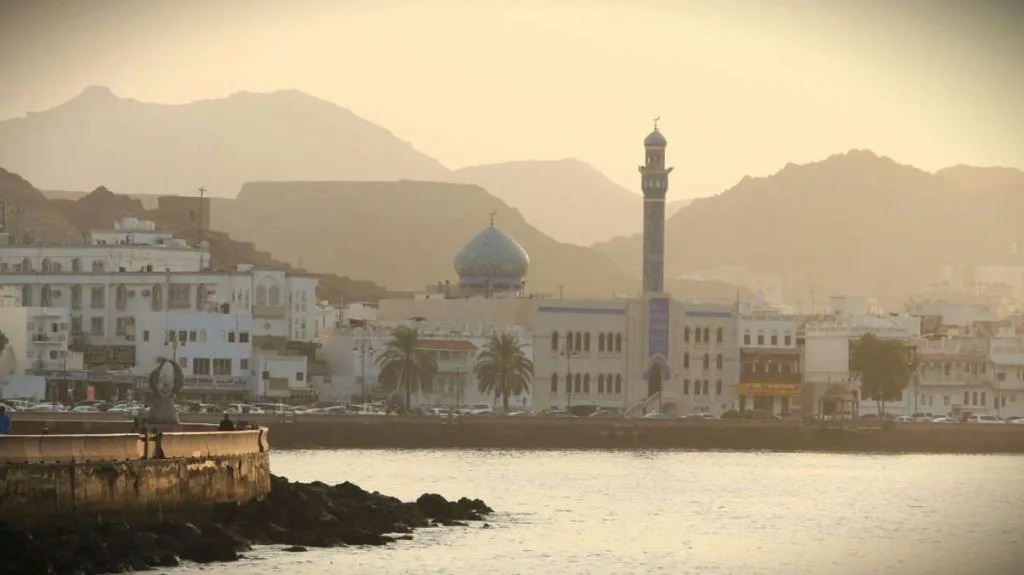
Planning city time before or after this trip? Read our full guide to things to do in Muscat for mosque hours, Muttrah tips, and a realistic 3-day plan.
Get instant confirmation — WhatsApp reply in 15 minutes