In This Guide
The best excursions in Oman from Muscat: Wadi Shab hidden waterfall cave (from OMR 25/person), Nizwa Fort and traditional souq (from OMR 60/vehicle), Jebel Akhdar Green Mountain with 4WD (from OMR 65/vehicle), Wahiba Sands desert overnight (from OMR 70/vehicle), and Bimmah Sinkhole (combined with Wadi Shab). All private tours.
I was standing waist-deep in the turquoise pool at Wadi Shab when a local man waded past me and casually disappeared into a cave behind the waterfall. No drama, no safety briefing—just an old woman selling cold drinks from a plastic crate on the rocks above. That moment summed up Oman for me: adventure that doesn't feel manufactured, and excursions that still feel genuinely local despite decades of tourism.
I've done the standard Middle East circuit—Dubai's malls, Abu Dhabi's culture museums, Doha's pearl diving shows. Oman is different. The excursions here aren't about ticking boxes or getting Instagram shots at sunset (though you'll get those). They're about moving slowly through genuinely stunning landscapes without feeling like you're part of a conveyor belt.
After three visits and spending time with everyone from budget backpackers to couples splashing out on private drivers, I've learned what's worth your time, what's worth your money, and which excursions actually deliver something more than the tourism board promises.
Oman's tourism is still growing, but it hasn't been bulldozed into submission like parts of the UAE have. Most Westerners fly into Muscat, spend 2–4 days, and leave. That means the popular spots—Wadi Shab, Muttrah Corniche, Jebel Akhdar—are genuinely busy, but you won't feel like sardines in a tin.
Here's what makes Oman excursions distinct: you can still hire a private driver for less than a London black cab ride. The distances are manageable—most excursions are 1–2 hours from Muscat. The landscape changes dramatically within short drives: from sea cliffs to limestone canyons to mountain villages. And because it's still relatively underdeveloped compared to its neighbours, you'll meet local families, not just tour groups.
Most UK, US, and European nationals arrive visa-free or can grab an e-visa on arrival (£8–12 / $10–15 / €9–14). No complicated paperwork. That's worth knowing upfront.

This is the excursion everyone mentions, and yes, it's worth the hype. Wadi Shab is a canyon with a properly dramatic turquoise pool, palm trees fringing the water, and a hidden cave behind a small waterfall. You drive about 90 minutes south from Muscat, park at a small village, and either walk the 40 minutes along the wadi bed or take a local's boat (negotiable, usually £3–5 / $4–6 / €3.50–5.50 per person each way).
The water is cold year-round but manageable. Swimming to the cave and ducking through is genuinely fun, not scary. The whole thing takes 2–3 hours once you're there.
Practical reality: It gets busy in peak season (November–February), especially between 10am–2pm. Go early or late. The walk can be slippery if you're wearing flip-flops; proper shoes matter. There's nowhere to eat at the wadi, so bring snacks and water.
Cost: Private driver half day: £40–65 / $50–80 / €46–75 per vehicle. Group tour: £25–35 per person. Best for: swimmers, photographers, people who want something genuinely beautiful without much technical hiking.
The Green Mountain. It's actually green—terraced farms, pomegranate and apricot trees, villages where people still live without running water. You drive up a proper mountain road (well-maintained but twisty) to about 2,000 metres. The view back down to the coast is extraordinary.
Most organised excursions include a village walk, a traditional farmhouse visit (often with tea and homemade biscuits), and maybe a hike to a viewpoint. The whole excursion takes 8–10 hours door-to-door.
Honest bit: It's not as dramatic as the marketing makes it sound. The villages are genuinely charming, but they're small. If you're expecting mountain wilderness or technical hiking, this isn't it. It's more "see how locals live at altitude" than "adventure."
Cost: Private driver full day: £65–95 / $80–118 / €75–110 per vehicle. Group tour: £40–55 per person. Best for: people interested in culture and villages, photographers wanting different light, anyone who wants to escape the coast.
Less famous than Wadi Shab, which is precisely why I recommend it. This is a proper wadi with several pools, a longer walking route, and fewer Europeans taking selfies. You can swim, explore caves, and walk through date palm plantations. The local village has a few basic restaurants where you can eat fresh fish or shawarma cheaply.
It's about 90 minutes from Muscat. The walk between pools is genuine walking (45 minutes–1 hour), not a stroll. Water is cold and deep; you need to be a decent swimmer.
Why I prefer this to Wadi Shab: Less crowded, more exploration, feels less like a tourist factory. You'll actually see Omani families picnicking rather than just tour groups.
Cost: Private driver half day: £42–70 / $52–86 / €48–80 per vehicle. Group tour: £28–40 per person. Best for: swimmers who want fewer crowds, adventurous types, anyone who's done Wadi Shab and wants something similar but quieter.
Sur is a charming old fishing town 3.5 hours south of Muscat. Historically famous for building wooden dhows, it still has shipyards and genuine maritime character. Ras Al-Jinz is a protected turtle nesting beach nearby where green sea turtles come ashore between May–October.
You visit during the day to see the beach, then return in the evening for the official turtle-watching experience (there's a visitors' centre with a guide; you have a 70% chance of seeing turtles, not guaranteed). The whole excursion is long—12+ hours—but genuinely worthwhile if you're interested in marine conservation or want to escape the Muscat bubble completely.
Reality check: Even in peak turtle season, you're not guaranteed sightings. It's a lottery. The visitors' centre is well-managed but feels institutional. If you're just doing it for "I saw a turtle" photos, maybe skip it. If you're actually interested in conservation or spending time in Sur itself (which is lovely), it's excellent.
Cost: Private driver full day: £75–110 / $93–137 / €87–127 per vehicle. Turtle reserve entry: £18–22 / $22–28 / €20–26 per person (on top of driver). Group tour: £50–70 per person (including reserve entry). Best for: animal lovers, people staying 4+ days in Oman, anyone who wants to escape other tourists entirely.

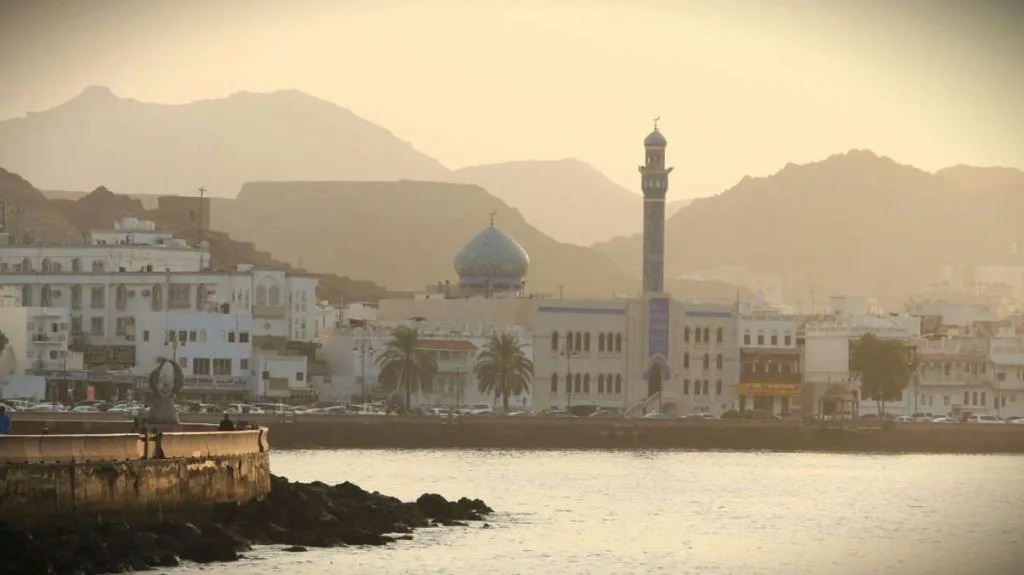
If you've just arrived or you're not up for proper hiking, this is a solid half-day. Muttrah is the old harbour area—proper chaotic in the best way, with tiny shops, dried fish stalls, and dhows moored in the water. The Corniche is a waterfront walk that actually feels genuine, not sanitised.
Most half-day excursions include the Corniche, the Sultan Qaboos Grand Mosque (genuinely impressive, but you can only enter the outer courtyard if you're not Muslim), and maybe a spice market or local coffee stop.
Honest opinion: It's pleasant but not essential. If you're only in Oman 2 days, do Wadi Shab instead. If you're staying 4+ days and want a relaxed half-day, this works perfectly.
Cost: Private driver half day: £38–55 / $47–68 / €44–63 per vehicle. Group tour: £20–30 per person. Best for: first-time visitors, older travellers, anyone wanting culture without physical exertion.
This one splits opinion, and I get why. You drive east into a massive sand desert, visit a traditional Bedouin camp, and either do a camel ride or quad biking depending on what you book. It's about 90 minutes from Muscat to reach the desert edge.
The honest truth: it's more touristy than other excursions here. The Bedouin camp is set up specifically for visitors—they're not living there permanently. But that said, the dunes are genuinely spectacular, the guides actually know the area properly, and if you've never seen proper desert, it's worth experiencing. The camps serve decent lunch, usually a traditional spread of dates, hummus, bread, and grilled meat.
You can either do a quick 4-hour hit (drive in, lunch, camel ride, drive out) or overnight camping. The overnight adds £50–80 per person but you get sunset and sunrise in the dunes, which does something to your head that a day visit doesn't.
Reality check: Camel rides are genuinely uncomfortable if you're not used to them—expect lower back soreness. The quad biking is more fun but dusty. If you hate the idea of either, you can just walk the dunes. The staff push souvenirs quite hard, but they're relaxed if you decline.
Cost: Private driver full day with camel ride: £68–95 / $84–118 / €78–110 per vehicle. Overnight stay per person: £45–75 / $56–93 / €52–87. Group tour with camel: £35–50 per person. Best for: anyone wanting classic desert imagery, people who've skipped other Middle Eastern deserts, photographers wanting dramatic light.
| Excursion | Duration | Difficulty | Private Driver Cost | Best For |
|---|---|---|---|---|
| Wadi Shab | Half day (4 hrs) | Easy–Medium | £40–65 | Swimmers, photos |
| Wadi Bani Khalid | Half day (5 hrs) | Medium | £42–70 | Adventurous swimmers |
| Jebel Akhdar | Full day (10 hrs) | Easy–Medium | £65–95 | Culture, villages |
| Sur & Turtles | Full day (12+ hrs) | Easy | £75–110 | Wildlife, conservation |
| Muscat City | Half day (4 hrs) | Very Easy | £38–55 | Relaxed, cultural |
| Wahiba Sands | Full day (8 hrs) | Easy–Medium | £68–95 | Desert, camels |
Timing matters more than you'd think. Oman has proper seasons, and they genuinely affect what you'll experience.
November to February (Peak Season): This is when everyone books. Temperatures hover around 20–25°C, skies are clear, and the wadis have water. Wadi Shab and Wadi Bani Khalid are at their best. Jebel Akhdar is green and walkable. The downside: you'll share these spots with other tourists. Book private drivers 3–5 days ahead; group tours you can sometimes arrange same-day but quality will be hit-or-miss. Prices are highest here, roughly 20% more than shoulder season.
March to May (Shoulder Season): Still good. Temperatures climb to 28–35°C but mornings are fine. The wadi water gets slightly warmer (less of a shock). Jebel Akhdar is starting to dry out but still manageable. Crowds thin noticeably after March. Booking 2–3 days ahead is fine. Prices drop about 15% compared to peak season. Indian travellers often book here because Easter holidays fall in this window.
June to August (Hot Season): Most Westerners skip this. Temperatures hit 38–42°C regularly. Wadi water gets properly warm (almost pleasant). The beaches are hot enough to be uncomfortable. Wadis have less water flow. Jebel Akhdar becomes genuinely hot at altitude. That said, if you can handle heat and you're budget-conscious, prices drop dramatically—private drivers might quote 30% less. Tourists vanish almost entirely except Emiratis escaping Dubai. You'll have wadis nearly to yourself. Best for early mornings and sunset excursions.
September to October (Recovery Season): It's still hot (32–38°C) but cooling slightly. This is a weird period—some wadis are low on water, some aren't. Jebel Akhdar is transitioning back to being accessible. Tourist numbers stay low, prices are reasonable. It's basically a gamble on water availability, so check with your guide before booking wadis specifically.
For Turtle Season (May–October): If Sur and the turtle reserve is your thing, book May to July. August and September water temperatures are warmest so turtles are most active, but it's also uncomfortably hot for humans. May and June are sweaty but more bearable, and sightings are still good. The visitors' centre requires you book the evening tour time slot 24 hours ahead—do this when you book your driver, not on the day.
Booking Lead Times: In peak season, aim for 5–7 days' notice for a private driver or group tour. You can book last-minute, but drivers might not have the best vehicle. In shoulder season, 2–3 days is plenty. In off-season, you can usually arrange something same-day, though it's not ideal. Use Booking.com, Viator, or local hotel concierges. Don't book exclusively through hotel concierges—they take commission and rates are often 10–15% higher.
This isn't a generic packing list. These are things I've learned from getting it wrong and talking to people who got it right.
Water (the boring but crucial bit): Bring more than you think you'll need. A 1-litre bottle isn't enough for a half-day excursion, especially in shoulder or hot season. Aim for 2 litres minimum. This is non-negotiable. Wadi excursions have no shops. Desert excursions have water at camps but bringing your own means you're not reliant on timing.
Footwear: Proper hiking sandals or trainers, not flip-flops. Wadi rocks are genuinely slippery, especially when wet. I've seen people turn ankles at Wadi Shab. If you're in Wahiba Sands, wear something that can handle sand getting into everything—trainers that lace up are best. Bring a separate pair of flip-flops if you're doing water activities; you'll want dry shoes for the drive back.
Sun Protection: High-SPF sunscreen (50+) applied thickly and reapplied after swimming. Omani sun is genuinely harsh. A hat or cap. Sunglasses with proper UV protection. Don't assume you're "tanned enough." European skin especially gets cooked here. Lip balm with SPF because chapped lips in dry heat is miserable.
Swimwear: For wadi excursions, bring actual swimwear plus an extra t-shirt you don't mind getting wet. The t-shirt protects your shoulders. Modest swimwear helps too (less coverage = more sunburn), but if you're a woman, you'll notice most local families wear full coverage or modest one-pieces. It's not mandatory for tourists, but you'll feel more comfortable and less conspicuous in something less revealing than a bikini.
Dry Bag or Waterproof Backpack: A cheap one from a sports shop (£15–20) saves your phone, wallet, and car keys. Wadis are water activities. People lose things constantly.
Light Layers: Seems mad in heat, but early mornings are cooler, and if you're driving to altitude (Jebel Akhdar) or doing an evening desert trip, temperatures drop. A thin fleece or cardigan weighs nothing and stops you shivering in an overly air-conditioned car.
Snacks: Wadi excursions have no food except the cold drinks lady at Wadi Shab. Bring proper snacks—nuts, bars, dried fruit. Desert camps provide food but it's often heavy midday spreads. Having your own light snacks means you're not starving at odd hours. Hotels sell basic snacks but excursion sites don't.
Basic First Aid: Plasters (blister prevention matters), antiseptic wipes, paracetamol. Nothing dramatic, but you're responsible for yourself out here. Guides aren't medics.
Camera or Phone Battery: These are genuinely spectacular places. You'll want to photograph them. Bring a power bank for your phone. If you're serious about photography, bring a proper camera and extra batteries. Oman landscape gets the best light early morning or late afternoon—don't waste battery at midday when light is flat.
What NOT to Bring: Don't bother with hiking poles—wadis aren't technical enough. Don't bring fancy jewelry or expensive watches—you'll leave them in the car anyway. Don't wear cotton if you're doing physical activity; it absorbs sweat and stays wet. Synthetic quick-dry stuff is better.
If you're paying for a private driver, you should extract actual value from it. Here's what most tourists don't do but should.
Brief Them Properly Before You Start: Don't just say "Wadi Shab please." Tell them your fitness level, whether you want to photograph things, whether you want the absolute minimum hiking or you're up for more. Tell them which photo locations matter to you. A good driver already knows the light patterns and will position you for sunset or golden hour. A driver who doesn't know your preferences will just park anywhere.
Ask About Local Knowledge: Most drivers live locally and know things the tourism board doesn't advertise. Ask what's open today, where locals eat, whether there are seasonal things happening. I found out about a date harvest festival in Jebel Akhdar because I asked a driver casually. Tourists on group tours never get this information.
Negotiate Pricing Before You Get in the Car: Private driver rates are fluid. What one driver quotes might be 20% different from another. Get quotes from 2–3 drivers via your hotel or Booking.com, then negotiate. Most drivers expect it. A genuinely good driver who's enthusiastic about the excursion is worth paying extra for—say £5–10 more than the lowest quote if someone seems genuinely knowledgeable. A driver just going through the motions is worth the bare minimum.
Build in Flexibility: Tell your driver you have longer than you actually need. If the standard wadi visit is 2 hours but you've given yourself 3 hours, your driver knows they can show you a smaller side pool or take a longer walking route. Rushed excursions feel rushed. I've had drivers add 45 minutes to a Wadi Shab trip because we had time, and we found a quieter pool downstream that was just as nice as the main one.
Tip in Cash if They're Good: Drivers don't expect tips but it changes the quality for future customers. If someone goes out of their way—stops at a scenic viewpoint you didn't ask for, waits while you photograph, gives good local info—slip them £5–10 cash. It's the difference between "okay driver" and "driver who gives a genuine experience."
Confirm Your Pickup Time the Night Before: Send a message via WhatsApp (every driver uses it) the evening before confirming exact time and location. Oman drivers are reliable, but confirming saves any morning confusion. Include your mobile number even if you've already got theirs.
Avoid Peak Hours If Possible: Tell your driver you want to avoid 11am–2pm crowds. A good driver will suggest early start (7–7.30am) or late afternoon (3–4pm start). You pay the same but experience is entirely different. The Wadi Shab difference between 10am and 7.30am is genuinely like visiting two different places.
Don't Feel Obligated to Buy Souvenirs: Drivers sometimes get commission from shops and will try to stop "just for a quick look." You don't have to. A simple "not interested, thanks" is fine and doesn't offend anyone despite what you might think. If you do want souvenirs, go to Muttrah Corniche or a proper shop in Muscat instead of roadside tourist traps.
Private Driver: You're paying £55–95 / $68–118 / €63–110 for the vehicle and driver for a half-day (4–5 hours) or £90–140 / $112–173 / €104–162 for full day (8–10 hours). You control timing, pace, and stops. You get flexibility. Genuinely good if there are 2+ of you because the cost splits. Solo travellers, it's more expensive per person but still often worth it for the freedom. You need basic confidence getting in a car with a stranger, but drivers are universally professional.
Group Tour: £20–70 per person depending on excursion and group size. You meet other travellers (sometimes brilliant, sometimes you'll want to throttle them). Timing is fixed—you go when the group goes, stop where the group stops, photograph what the group photographs. But you don't have to navigate or make decisions, and if something goes wrong, the tour operator is responsible. Good for solo travellers who want company, or anyone anxiety-prone about logistics.
My honest take: If you're in a pair or small group and you have 3+ days in Oman, private driver wins. You get better experiences, often cheaper per person, and way more flexibility. If you're solo and nervous about logistics, or you want local company and don't care about flexibility, group tours work fine. Most people somewhere in the middle book a private driver for one big excursion (Jebel Akhdar or Wahiba) and a group tour for something quicker (Wadi Shab or Muscat).
Wadi Shab hidden waterfall cave (from OMR 25/person), Nizwa Fort and Friday livestock market (from OMR 60/vehicle), Jebel Akhdar Green Mountain with 4WD (from OMR 65/vehicle), Wahiba Sands desert overnight (from OMR 70/vehicle), and Bimmah Sinkhole coastal drive (from OMR 60/vehicle).
Wadi Shab — consistently the most surprising and memorable excursion from Muscat. The canyon hike, emerald pools, and hidden waterfall cave together create an experience that most visitors describe as the highlight of their entire Oman trip.
WhatsApp +968 94681176 with your date, hotel, number of passengers, and chosen destination. We confirm with a fixed price within hours. Same-day bookings are usually possible outside peak season.
OMR 25/person for Wadi Shab, OMR 55–80/vehicle for most full-day excursions, OMR 70/vehicle for Wahiba Sands day trip. Prices are per vehicle (up to 4 passengers) — not per person for vehicle-based tours.
Yes — all main excursions operate year-round. October to April offers the most comfortable conditions. Summer excursions are possible but Wadi Shab hiking in June to August is hot — early morning departure is essential.
Yes — private tours are fully flexible. Adjust timing, add extra stops, or combine destinations as you prefer. Tell us your interests and we plan the day around them.
Get instant confirmation — WhatsApp reply in 15 minutes