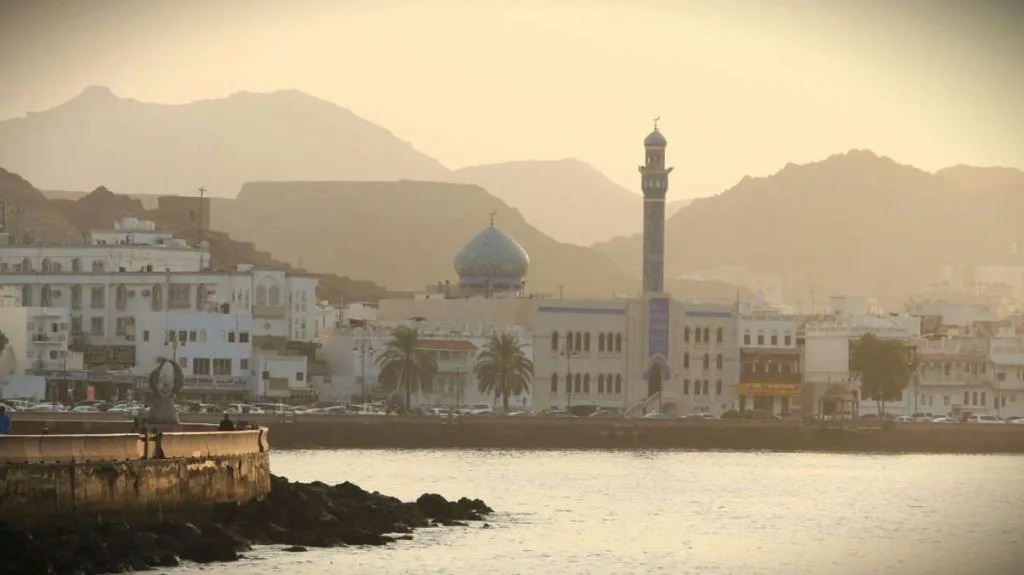
The flight from Muscat to Salalah takes just 90 minutes, but many first-time visitors never consider it—most drive the 1,000-kilometer coastal highway instead, assuming it's cheaper or more authentic. This salalah tourism complete guide 2026 oman answers the real anxieties keeping first-time travelers from booking: How do I get there safely? What's the actual cost? Will I regret the journey? Is there anything to do beyond sitting on beaches? This guide dismantles those fears with direct answers, pricing that works, and a seasonal reality check that no generic travel blog will tell you.
How Do First-Time Visitors Reach Salalah from Muscat?
Three options exist, and the choice depends entirely on your tolerance for long-haul driving, budget, and how much of Oman you want to experience en route.
Option 1: Self-Drive (Most Popular)
The 1,000 km coastal route takes 14–16 hours of actual driving time, split comfortably into two days. Many first-timers choose this because it passes through Nizwa, Wahiba Sands, and Wadi Shab—legitimate highlights. A rental sedan costs roughly OMR 40–50 per day in fuel (budget OMR 40 daily for road-trip fuel), plus accommodation en route (OMR 50–100 per night for mid-range hotels). Total: OMR 150–200 per person for the transfer, excluding food.
Option 2: Hired Private Driver
If you'd rather not navigate unfamiliar roads, a private sedan with driver costs OMR 75 for a full day (USD 195). A half-day rate is OMR 55 (USD 143). This means two days of driving at roughly OMR 150 total. The advantage: no navigation stress, someone who knows the route, and a driver who stops at unmarked viewpoints tourists miss. European visitors especially value this.
Option 3: Domestic Flight
Oman Air and Salam Air operate this route daily. Flight time is 90 minutes, cost ranges from OMR 80–140 depending on booking timing. Add airport transfers: a standard sedan airport transfer from Muscat is OMR 18 (USD 47); from Salalah airport to your hotel typically costs OMR 20–30. Total: OMR 130–200, which is comparable to driving but saves 14 hours. Most business travelers and visitors over 65 choose this.
The real consideration: driving lets you see central Oman; flying lets you maximize beach and Khareef time. There is no wrong answer, only different priorities.
What Is the Best Time to Visit? A Seasonal Reality Check
Salalah is famous for the Khareef (monsoon season), typically June–September. This is when the Dhofar plateau receives mist-driven rainfall, turning the desert temporarily green—it's genuinely surreal if you've only seen desert elsewhere in Oman. However, first-time visitors often misunderstand what Khareef actually feels like.
Khareef Season (June–September): The Hype vs. Reality
The tourism board markets Khareef as a mystical wet season. The reality: it's humid (80–85% humidity), roads can flood, visibility drops, and many attractions close temporarily. Temperatures drop to 20–25°C, which sounds pleasant until you're clammy in the mist. A Khareef day trip from Salalah costs OMR 99 (USD 99) and typically includes Al Mughsayl Beach (where the monsoon creates dramatic wave spray), Ain Garzim waterfall, and Wadi Darbat. Booking in advance is mandatory—hotels fill 6–8 weeks ahead.
Shoulder Seasons (April–May, October–November): The Traveler's Secret
These months offer 28–32°C weather, clear skies, and manageable crowds. Most visitors and tour operators don't market this aggressively, which means lower prices, easier hotel booking, and less congestion at beaches. The salalah tourism complete guide 2026 oman for shoulder-season travelers emphasizes Wadi Shab (day trip from OMR 60 / about USD 156), limestone caves, and the Friday Market without competing with 10,000 others.
Winter (December–February): Too Hot for Summer People, Too Cold for Winter People
Midday temperatures hover at 30–33°C—not extreme by Middle East standards, but the sun is unrelenting. Evenings drop to 18–20°C, making beachside sunset unforgettable. This is the honest sweet spot for European visitors who can't handle summer heat anywhere. Hotel rates drop 20–30% compared to Khareef season.
Summer (March, late August–September): Avoid Unless You Have No Choice
Temperatures exceed 38°C, air conditioning is mandatory, and the sea turns murky. Most local families leave Salalah during this window. If you're forced to visit in summer, budget for constant air-con usage (which affects both fuel costs and hotel bills).
Frequently Asked Questions
Frequently Asked Questions
Is the Muscat-to-Salalah drive actually safe for someone who's never driven in Oman?
Yes—with caveats. Omani roads are well-maintained, signage is bilingual (Arabic/English), and speed limits are enforced. The real risk isn't the road; it's driver fatigue over 14+ hours. First-time visitors should either hire a private driver (OMR 75 full day / USD 195) or break the journey into two days with an overnight stop in Nizwa or Qurayyat. Never attempt it in one push unless you're absolutely accustomed to left-hand driving. Also: many car rentals require an International Driving Permit; check this before booking.
What's included in the salalah tourism complete guide 2026 oman standard package tour, and what costs extra?
A typical Salalah package (OMR 199 / USD 199) includes hotel transfer, a guided city half-day tour (OMR 65 / USD 65 value), and sometimes lunch. It does NOT usually include entrance fees (OMR 15–20 per attraction), meals outside the tour, or activities like diving or boat trips. A more comprehensive 3-day Salalah package costs OMR 250 (USD 650) and typically covers two nights' accommodation, all transfers, and guided tours of beaches and wadis. Always ask in advance: "Does this include entry fees?" and "Do I need to arrange my own meals?" European tour operators often include meals; Gulf operators sometimes don't.
I'm visiting in Khareef season—will I actually see green mountains, or is it mostly fog?
You'll see both, and the fog is part of the charm once you adjust expectations. Peak Khareef (July–August) offers the most visible green and the most reliable waterfalls. However, visibility can drop to 500 meters, making panoramic photography disappointing. Early Khareef (June) and late Khareef (September) offer a better balance of greenery and clear views. The Khareef day trip (OMR 99 / USD 99) runs regardless of fog—your guide will know which wadis have water and which viewpoints are worth visiting that specific day. Honest tip: if you're visiting for Instagram photos, come in October or May instead.
How much should I budget for a 3-day Salalah trip from Muscat, realistically?
A 3-day Salalah package costs OMR 250 (USD 650) and covers accommodation and guided tours. Add: OMR 40–50 per day for meals if not included (OMR 35 is the mid-range budget per meal), OMR 15–20 per attraction entrance fee, OMR 25 for parking if staying overnight in central Salalah, and OMR 120 (USD 310) for the sedan transfer from Muscat or a flight (OMR 80–140 plus OMR 18 airport transfer). Total realistic budget: our current OMR rate (WhatsApp for quote)–600 (USD 1,300–1,550) per person for a comfortable, unhurried 3-day experience. Budget travelers can reduce this by 20% by skipping paid attractions and sticking to beaches; luxury travelers can double it by adding private guides and beachfront dining.
What's the actual difference between a salalah tourism complete guide 2026 oman standard tour and a private tour?
Standard tours use shared minibuses, fixed start times, and pre-set itineraries—perfect if you're solo and want to meet other travelers. Cost: OMR 65–99 per activity. Private tours mean your own driver/guide, flexible timing, and ability to spend 3 hours at a beach instead of 1. Cost: roughly OMR 75–90 per half-day (USD 143–195) depending on vehicle. European visitors with families often choose private; backpackers on tight budgets choose standard. Both are legitimate, just different experiences.
I'm arriving in Muscat first—should I skip Salalah and explore Muscat instead, or do both?
If you have 7+ days, do both. Muscat city tour (OMR 60 extended half-day) covers the Grand Mosque, Mutrah Corniche, and spice markets—genuinely worth 3–4 hours. Salalah requires at least 2–3 days to justify the transfer time. If you have only 4–5 days total, choose: Muscat (cultural, food, shopping) OR Salalah (beaches, wadis, nature). They're fundamentally different experiences. A 5-day Oman itinerary costs OMR 220 (USD 572) and typically balances both, though you'll feel rushed. The salalah tourism complete guide 2026 oman combined with central Oman works best as a 7-day journey (OMR 320 / USD 832 for the package).
What Can You Actually Do in Salalah? Beyond Beaches
First-time visitors arrive expecting a Caribbean-style beach resort. Salalah is beaches, yes—but also limestone wadis, historical forts, spice plantations, and a genuinely unique monsoon ecosystem. Understanding what's available prevents the "I flew 90 minutes for this?" regret that occasionally surfaces in online reviews.
Beach Activities
Salalah's beaches are dramatic limestone coves, not flat sandy strips. Al Mughsayl Beach is the most photographed—the monsoon creates blowholes that spray seawater 10 meters into the air (June–September only). Taqa Beach is quieter and better for swimming. Beaches are free but often require a 15–30 minute walk from the car park. Bring sunscreen—European visitors consistently underestimate equatorial sun intensity.
Wadi Exploration
Wadi Darbat (included in the Khareef day trip, OMR 99) is a palm-lined waterway with a natural freshwater lake—genuinely striking. Wadi Shab (separate day trip from OMR 60 / about USD 156 from Muscat, though accessible from Salalah) features cave swimming and waterfall pools. Neither is accessible without a guide; hiring one costs OMR 55–75 per half-day or OMR 75 full day (USD 195). The salalah tourism complete guide 2026 oman for active visitors prioritizes these wadis over resort lounging.
Cultural & Historical Sites
Taqah Castle (built 1822) and Al Baleed Archaeological Park (ancient frankincense trading port) are genuine historical anchors, not tourist traps. Entry fees are OMR 15–20 per site. Most first-timers skip these because guidebooks undersell them; they're actually worth 2–3 hours combined and offer context to why Salalah historically mattered (frankincense trade, not beaches).
Food & Spice Markets
Friday Market (Souq Al Haffa) is busy, atmospheric, and full of frankincense, myrrh, and high-quality dates. It's not a tourist market; locals actually shop here. Arrive early (before 9 AM) to avoid crowds and heat. Lunch at a traditional fish restaurant (budget OMR 35 per meal) should include hammour (grouper) or kingfish—far superior to resort dining.
The takeaway: Salalah is not Maldives; it's a nature-meets-culture hybrid. If beaches alone interest you, you'll be bored by day 3. If you're willing to hike wadis, visit forts, and eat fresh seafood in local restaurants, you'll find 3–4 days is just right.
Transportation Within Salalah: Do You Need a Car?
Most attractions are 30–60 km apart. Taxis in Salalah are unreliable (not metered, pricing is arbitrary). Public buses exist but run on loose schedules. First-time visitors should either:
Option A: Book a Private Driver for Your Stay
A full-day sedan with driver costs OMR 75 (USD 195). Half-day rate is OMR 55 (USD 143). This means your driver knows which wadis are passable, can navigate to unmarked viewpoints, and handles all logistics. Most tourists choose this; cost is roughly OMR 150–225 for two full days. The salalah tourism complete guide 2026 oman for organized travelers always includes this line item.
Option B: Rent a Car
A sedan rental is OMR 30–40 per day, plus fuel (OMR 40 daily estimated). Insurance and petrol deposit add OMR 50–100. You gain flexibility but lose the local knowledge; roads are straightforward, but parking at wadis requires local instruction (where to leave the car safely, which paths are stable).
Option C: Book Daily Tours
A Salalah city half-day tour is OMR 65 (USD 65); a Khareef day trip is OMR 99 (USD 99). This covers transportation, guide, and planned stops. You're on a schedule but spend roughly OMR 160–165 for two days of full coverage—comparable to a private driver but with a group.
Honest assessment: European visitors unfamiliar with Arabic signage and right-hand traffic should hire a driver. Gulf visitors comfortable navigating the region should rent a car. Budget-conscious backpackers should book tours and accept group pace.
Costs, Booking, and the Real Budget for Your Salalah Tourism Complete Guide 2026 Oman
Let's build a realistic 3-day Salalah trip cost sheet:
Transfer from Muscat to Salalah:
Sedan transfer: OMR 120 (USD 310) OR domestic flight: OMR 80–140 + OMR 18 airport transfer = OMR 98–158. Hired private sedan (full day): OMR 75 (USD 195).
Accommodation (2 nights):
Budget hotel: OMR 60–80 per night (OMR 120–160 total)
Mid-range hotel: OMR 100–140 per night (OMR 200–280 total)
Resort: OMR 180–250+ per night (not typical for first-timers)
Tours & Activities:
Salalah city half-day: OMR 65 (USD 65)
Khareef day trip: OMR 99 (USD 99)
Entrance fees (2 sites @ OMR 15–20 each): OMR 30–40
Total: OMR 194–204
Food:
Breakfast (hotel included or OMR 10): OMR 10
Lunch (local restaurant, OMR 35): OMR 105 (3 days)
Dinner (OMR 40–50 mid-range): OMR 120–150
Total: OMR 235–265
Miscellaneous (parking, tips, incidentals): OMR 25–40
TOTAL 3-Day Budget (per person, double occupancy):
Budget traveler: OMR 600–700 (USD 1,560–1,820)
Mid-range traveler: OMR 750–900 (USD 1,950–2,340)
Luxury traveler: OMR 1,100–1,500+ (USD 2,860–3,900+)
If booking a pre-assembled 3-day Salalah package (OMR 250 / USD 650), you're paying roughly OMR 150–200 less than DIY bookings—packages often include one tour, transfers, and accommodation but require you to pay meals and entrance fees separately. The salalah tourism complete guide 2026 oman recommends packages for first-timers because they eliminate decision fatigue; DIY bookings work for experienced travelers who know their exact preferences.
Seasonal Booking Strategy: When to Reserve and What Prices Actually Are
Timing your booking affects price, availability, and experience quality dramatically.
Khareef Season (June–September): Book 8–12 Weeks Ahead
Hotels fill completely; prices rise 30–40% above shoulder season. A mid-range hotel (normally OMR 100–120 per night) costs OMR 140–160. Tour bookings require advance guarantees. If Khareef is non-negotiable for you, reserve in March for a July trip. The salalah tourism complete guide 2026 oman for Khareef planners should include this timeline as a critical first step.
Shoulder Seasons (April–May, October–November): Book 4–6 Weeks Ahead
Prices are stable, hotels are available, and tours run regularly. This is the logical window for European visitors who can't time Khareef and don't want summer heat. Booking this window gives you maximum flexibility and genuine price advantage.
Winter (December–February): Book 3–4 Weeks Ahead
Prices drop 20–30% but it's still busy. Last-minute bookings (2–3 weeks out) are possible because winter is less hyped than Khareef.
Summer (March): Book Anytime
Lowest prices, easiest availability, but temperatures exceed 38°C. Book one week ahead if you're flexible on dates or hotels.
Pro tip: If you're flexible on dates, aim for mid-May or mid-November. You'll find the best hotel rates, zero crowds, and the most attentive service from guides who aren't running 4 tours daily. The salalah tourism complete guide 2026 oman for smart planners prioritizes these overlooked windows.
Critical First-Timer Logistics: Visa, Currency, and Hidden Gotchas
Visa & Entry
Most European visitors (UK, Germany, France, Benelux) get 30-day tourist visas on arrival at Muscat airport—no pre-approval needed. Bring your passport, proof of accommodation (email confirmation is fine), and a return flight booking. Processing takes 5–15 minutes. GCC nationals (UAE, Saudi, Qatar) typically get 30 days visa-free. Non-GCC, non-European visitors should check with the Omani embassy in advance.
Currency & ATMs
Oman uses the Omani Rial (OMR). Exchange rate is roughly 1 OMR = 2.60 USD or 0.64 GBP (2024–2026 rates remain stable). ATMs are abundant in Muscat and Salalah. Visa/Mastercard are accepted at hotels and restaurants; smaller shops prefer cash. Bring USD or EUR backup cash—money changers in Muscat can exchange same-day at fair rates.
Mobile & Internet
Oman has excellent 4G coverage. Buy a local prepaid SIM (Omantel or Ooredoo) at the airport—OMR 5–10 for a starter pack with data. Alternatively, use your home provider's roaming (typically EUR 5–10 per day or a weekly pass). WiFi is standard in hotels and most restaurants.
Dress Code & Etiquette
Oman is religiously conservative compared to UAE. Avoid swimwear in town; it's fine at beaches and resort pools. Women should carry a light scarf for mosque visits (some allow non-Muslim visitors in designated areas). Shorts and t-shirts are fine for tourism; avoid revealing clothing. Ramadan (dates vary yearly; check your travel year) means eating/drinking in public during daylight is discouraged for visitors—restaurants serve normally, but do eat before 6 PM if outside.
Health & Water
Tap water is safe in Muscat and Salalah. Travel insurance is strongly recommended (medical evacuation from Salalah to Muscat can cost USD 500–1,500). Pharmacies stock standard medications; bring prescriptions in English. Sunscreen (SPF 50+) is essential—European skin burns within 30 minutes at midday.
Booking Your Salalah Tourism Complete Guide 2026 Oman: Final Steps
Now that you understand costs, timing, and logistics, here's the execution plan:
Week 1: Decide Your Travel Dates
Choose Khareef (book 8–12 weeks ahead), shoulder season (book 4–6 weeks ahead), or winter (book 3–4 weeks ahead). Your dates determine everything else: package availability, prices, and which attractions you'll access.
Week 2: Choose Your Transport Mode
Fly (90 minutes, OMR 80–140) OR drive (14–16 hours, OMR 120 sedan transfer) OR hire a private driver (OMR 75 full day). This decision shapes your itinerary and budget.
Week 3: Book Accommodation
3-star hotel (OMR 100–120 per night) or budget option (OMR 60–80). Search online and confirm directly via WhatsApp or email—smaller hotels often offer better rates than booking sites. The salalah tourism complete guide 2026 oman for first-timers recommends mid-range hotels because they're walking distance to Friday Market and Salalah corniche.
Week 4: Book Tours or Hire a Private Driver
Standard Salalah package (OMR 199 / USD 199) or daily tours (OMR 65–99 per activity) OR private driver (OMR 75 full day / USD 195). Each approach works; choose based on your pace preference and social comfort (tours = group; private = independence).
Week 5: Confirm Transportation & Insurance
If flying, book domestic flights (Oman Air, Salam Air) and arrange airport transfers (OMR 18 sedan / USD 47). If driving, book the sedan transfer (OMR 120 / USD 310) or arrange a rental. Confirm travel insurance covering Oman (standard medical + evacuation).
Week 6: Prepare & Arrive
Pack sunscreen, light clothing, good walking shoes, and a light scarf. Arrive 2 days before Salalah travel to acclimate in Muscat. Grab a local SIM card. Confirm all bookings via email or WhatsApp 48 hours before.
The salalah tourism complete guide 2026 oman emphasizes that first-time success depends entirely on breaking your planning into weekly chunks rather than trying to decide everything at once. Each decision unlocks the next. Most anxiety dissolves once you've actually booked the transport and accommodation—the rest is just showing up and enjoying the experience.
Need help planning your trip? Contact us on WhatsApp for instant assistance.
Book on WhatsApp📱 Book Your Tour Online
Get instant confirmation — WhatsApp reply in 15 minutes