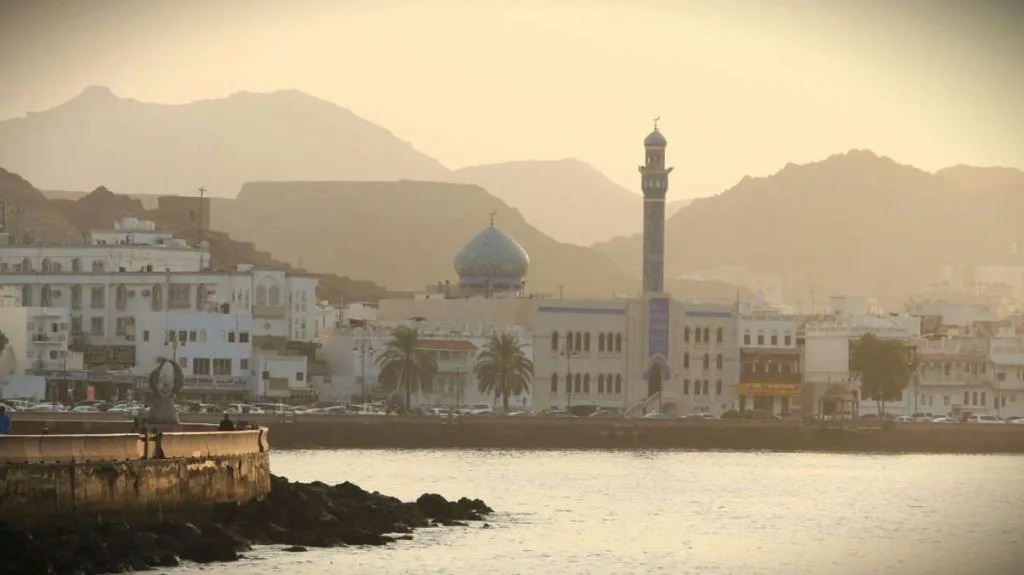
Wadi Darbat sits 280 km south of Muscat—a 5–6 hour drive—and the waterfall runs year-round, but October to March transforms it into a roaring cascade that fills three natural pools. This wadi darbat salalah waterfalls visit guide answers every question first-time visitors ask: Can I swim? Do I need a guide? What's the cost? How do I get there from Dubai? Read on to plan your trip with confidence.
Why Wadi Darbat Matters: The Essential Context
Wadi Darbat is Oman's most accessible multi-tiered waterfall system and the only true perennial waterfall in the southern Dhofar region. Unlike flash-flood wadis that dry up, Darbat flows year-round from a limestone aquifer, creating a lush green canyon in one of the Middle East's driest regions. The wadi darbat salalah waterfalls visit guide from omantour.in covers the critical logistics—transfer costs, seasonal flow rates, safe entry points, and what to pack—so you arrive prepared rather than disappointed.
First-time visitors often arrive expecting Niagara Falls or Swiss alpine scenery. Instead, Wadi Darbat is intimate: three natural pools nestled beneath 40-meter cliff walls, palm trees reflecting in emerald water, and zero tourist infrastructure. That's both the magic and the anxiety. This guide dismantles the mystery.
How to Reach Wadi Darbat from Muscat and Dubai: Transport Costs Broken Down
Distance matters. Wadi Darbat lies 280 km south of Muscat; 800 km south of Dubai. Driving is the only practical option—no flights, no buses stop at the wadi itself.
From Dubai to Salalah (via Muscat)
Most tourists arrive Dubai and drive to Salalah, stopping at Wadi Darbat en route. The total journey is 800 km one-way. Private sedan transfer costs OMR 110 (~$286 USD) from Dubai to Muscat. An SUV (recommended for wadi unpaved roads) costs OMR 150 / USD 390 / AED 1430. If you continue the same vehicle to Salalah, add fuel cost of approximately OMR 40 daily for that leg. Total: budget USD 310–430 for transport alone for the Muscat leg, then hire a driver in Salalah or arrange a Muscat–Salalah multi-day itinerary.
From Abu Dhabi to Muscat
Abu Dhabi visitors pay OMR 110 / USD 285 / AED 1045 for a sedan to Muscat, then follow the same Muscat–Salalah routing.
Muscat-Based Visitors: Private Driver Model
Staying in Muscat? Hire a full-day private sedan driver at OMR 75 / USD 195. This covers 8 hours of driving and waiting time. An SUV costs OMR 90 / USD 234 full day. For a half-day visit (Wadi Darbat only, no city stops), a sedan driver runs OMR 55 / USD 143. Fuel and entry fees are separate.
Package Tours Including Wadi Darbat
Our salalah 3 day package costs OMR 250 / USD 650 and typically includes Wadi Darbat, Al Baleed archaeological site, and Salalah souks. The salalah package (1 day) is OMR 199 / USD 199. These bundled prices absorb transport, guide fees, and some entry costs—better value if you're combining multiple attractions.
When to Visit: Seasonal Realities & Flow Rates
Timing is the difference between a forgettable trickle and a life-changing waterfall. The wadi darbat salalah waterfalls visit guide must address seasonality because tourists often book in summer heat and find the pools stagnant.
October to March: Peak Season
October marks the start of the Khareef monsoon in Dhofar. Fog rolls in from the Indian Ocean, rain fills the aquifer, and Wadi Darbat's upper tiers cascade dramatically. Water volume peaks December–February. The three pools are full, cold, and swimmable. Visibility is 15–20 meters. Air temperature drops to 20–25°C. This is prime wadi darbat salalah waterfalls visit guide territory—book early, expect company, and bring a light jacket for morning coolness.
April to September: Low Season
The waterfall becomes a series of trickling channels. Upper pools shrink to ankle-deep. Middle and lower pools remain waist-deep but flow slows to a whisper. Air temperature exceeds 40°C. Fewer tourists come; guides charge less; crowding vanishes. If you're heat-tolerant and want solitude, travel April–June. July–September is brutally hot and offers little advantage for waterfall viewing.
Wadi Darbat Salalah Waterfalls Visit Guide: On-Site Logistics & What to Expect
Arrival at Wadi Darbat requires a gravel road descent (400m elevation drop, 20 minutes by foot from the car park). There is no entrance gate, no ticket booth, no restaurant. A OMR 20 parking or conservation fee is typically collected by informal wardens near the main descent (ask your driver or guide). This is not an official government rate—it's a local arrangement, so carry cash.
Access Points & Walking Routes
The wadi has three main pools, each 10–15 meters across. The main (lower) pool lies at the base of the second waterfall, easiest to reach, and safest for swimming. The middle pool sits higher, requiring a 15-minute scramble over rocks, narrower and deeper. The upper pool (Darbat Falls proper, the dramatic cascade) demands 30 minutes of rock-hopping and is not for beginners. Most first-timers stop at the lower or middle pools.
Water Temperature & Swimming Safety
Peak season (Dec–Feb) water is cold: 15–18°C. Many visitors find it shocking initially but refreshing after 20 minutes. A thin wetsuit or rash guard is optional but appreciated. Summer water (May–Sep) reaches 20–22°C, less shocking. Never swim alone; wade first, test depth, observe others. Currents are mild; rocks are slippery. A guide is highly recommended for first-timers. Drowning incidents are rare but rock-jumping injuries happen—respect the wadi.
Facilities & Essentials
Zero facilities exist at the wadi. Bring: 2 liters of water per person, sun cream (SPF 50+), hat, snacks, dry towel, plastic bag for trash. Mobile signal is intermittent. No ATM, no shop. Toilet facilities are absent—plan accordingly. Guides sometimes provide cold water and snacks; confirm before booking.
Hiring a Guide: Costs, Benefits, and How to Avoid Pitfalls
A guide for the wadi darbat salalah waterfalls visit guide is not mandatory but highly recommended for first-timers. Here's what to expect.
Guide Fees
A private guide costs contact us for a quote (typically OMR 30–50 for a half-day). Group guides (2–4 people sharing one guide) cost contact us for a quote. Our salalah package tours include a guide in the per-person cost, so bundled tours are cheaper if you're comfortable with group pacing.
What a Good Guide Provides
A good guide knows safe rock-hopping routes, water depth zones, the best photo spots, and local history (the wadi has Bronze Age settlements in the cliffs). They carry first-aid kits, ropes for scrambling, and emergency contact numbers. They'll suggest timing pools to avoid crowds and may offer snacks and water.
Red Flags
Avoid guides who pressure you to climb to the upper pool if you're not confident. Avoid guides without communication devices. Avoid undisclosed fees (some guides ask extra for photos or "special" routes). Book through omantour.in or established local outfitters; avoid random touts at petrol stations.
Costs & Budgeting: A Complete Breakdown for First-Time Visitors
Your total spend depends on your starting point and group size. Here's a realistic estimate for a couple from Dubai visiting Wadi Darbat as a day trip combined with Salalah city tour.
- Transfer Dubai–Muscat: OMR 150 (SUV) / USD 390
- Transfer Muscat–Salalah (fuel + driver): OMR 40 fuel + private driver half-day OMR 55 = OMR 95 / USD 247 (if returning same day)
- Wadi entry/parking fee: OMR 20
- Private guide (half-day Wadi Darbat): Contact us for a quote
- Lunch in Salalah (mid-range): OMR 35 per person × 2 = OMR 70
- Salalah city half-day tour add-on: OMR 65 / USD 65 per person
- Total (transport + wadi + lunch + Salalah city tour): approximately USD 800–1100 for two people
Alternatively, book our salalah 3 day package at OMR 250 / USD 650 per person, which bundles transport from Muscat, Wadi Darbat visit, guide, and Salalah attractions—much more economical and removes planning headaches.
Frequently Asked Questions
Is the wadi darbat salalah waterfalls visit guide safe for non-swimmers?
Yes, with precautions. The lower and middle pools are 0.5–1.5 meters deep. Wear water shoes for rock grip, use a guide's rope support, and stay near the edges. The wadi is not whitewater rafting; currents are gentle. Drowning risk is low if you respect depth limits and don't venture to the upper pool unprepared. Families with young children should stay at the lower pool with constant supervision.
Can I visit Wadi Darbat in July or August?
Technically yes, but it's not recommended. Water flow drops to a trickle, air temperatures exceed 45°C, and the wadi loses its appeal. You'll see minimal waterfall and risk heat exhaustion. October to March is optimal. If you're trapped in summer, visit early morning (6–8 AM) with abundant water, sunscreen, and a guide familiar with summer conditions.
How long does a typical wadi darbat salalah waterfalls visit guide itinerary take?
Expect 4–5 hours total: 20 minutes descent to the lower pool, 1–2 hours swimming and exploring pools, 20 minutes ascent, plus travel time from Salalah town (30 minutes each way). If you're staying in Muscat, add 5–6 hours driving one-way. A comfortable half-day visit means leaving Salalah at 7 AM, returning by 1 PM. Full-day visits (Wadi Darbat + Salalah city tour) require 10–12 hours door-to-door from Muscat.
Do I need a 4x4 vehicle to reach Wadi Darbat?
The main access road is gravel but compacted and navigable by a standard sedan in dry conditions. An SUV (OMR 150 / USD 390 from Dubai) is safer, especially if rain has softened the road or you're towing a second passenger vehicle. In peak season (Khareef monsoon), occasional rainfall can muddy the road; an SUV provides better clearance. If your sedan gets stuck, tow services are available but costly. Book an SUV-equipped driver if you're risk-averse.
What's included in the salalah package vs. a custom private driver day trip?
Our salalah package (OMR 199 / USD 199 for 1 day) includes a guide, transport within Salalah, entry to Al Baleed archaeological site, and Wadi Darbat stop. You share the guide and vehicle with up to 6 other tourists. A private driver full-day (OMR 90 / USD 234 for an SUV) is your exclusive transport but excludes guide or entry fees—you pay those separately. Packages suit groups and budget travelers; private drivers suit families and those wanting flexibility. The salalah 3 day package (OMR 250 / USD 650) is best value if staying multiple nights.
Can I camp overnight near Wadi Darbat?
Wild camping at the wadi itself is not permitted. Overnight camping near Salalah is possible at designated sites (approximately OMR 50 per night for desert camping). If you want to sleep near the wadi, book a hotel in Salalah town (20 km away, budget USD 40–100 per night) and do an early-morning wadi visit before heat peaks. Our salalah 3 day package provides accommodation suggestions; contact us for bundle deals that include lodging.
Final Checklist: Before You Book Your Wadi Darbat Salalah Waterfalls Visit Guide
You've now absorbed the essentials of the wadi darbat salalah waterfalls visit guide. Before committing, confirm these details:
- Season: Booked for Oct–Mar? Excellent. May–Sep? Reconsider unless you love heat.
- Transport option: Private driver (flexibility, cost control) or group tour package (budget-friendly, guided experience)?
- Budget: Calculated fuel, entry, guide, meals? Added 15% contingency for petrol price variance or unplanned meals?
- Fitness: Are you comfortable with 30 minutes of rock-hopping and 400m elevation loss? Bring trekking shoes.
- Visa & documents: UK/EU/US citizens get 30-day visa-on-arrival in Oman. Ensure passport valid 6+ months. UAE entry not required if flying direct to Muscat.
- Insurance: Your travel insurance covers adventure activities (wading, climbing rocks)? Check policy exclusions.
- Guide booking: Arranged through omantour.in or a local Salalah operator with verified reviews?
The wadi darbat salalah waterfalls visit guide approach outlined here removes guesswork and centers on real costs, seasonal realities, and logistical clarity. You'll arrive at Wadi Darbat informed, prepared, and ready to immerse yourself in one of Oman's most enchanting natural wonders.
Need help planning your trip? Contact us on WhatsApp for instant assistance.
Book on WhatsApp📱 Book Your Tour Online
Get instant confirmation — WhatsApp reply in 15 minutes