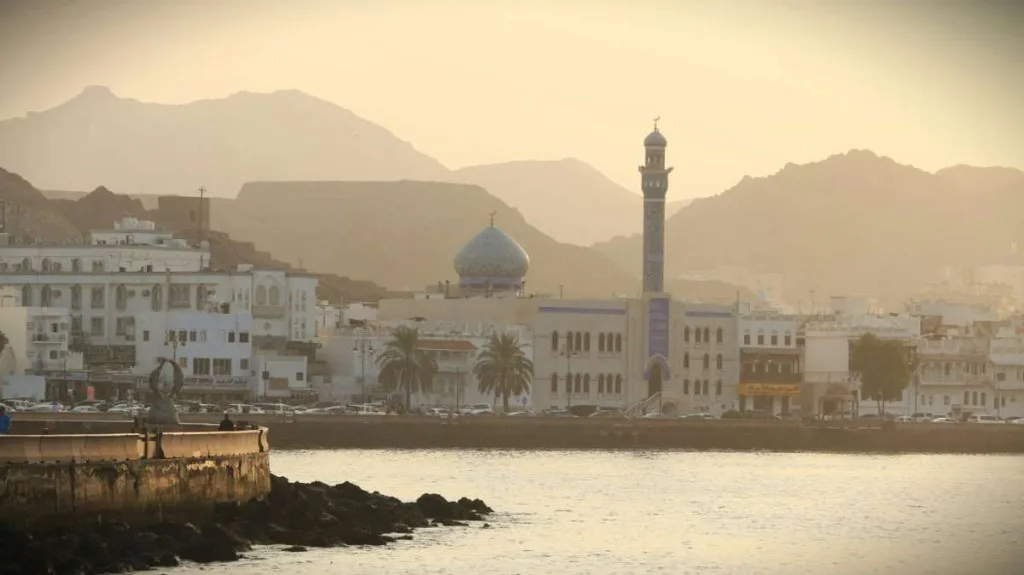
Japan-based travelers booking Oman transfers from Dubai pay USD 310 (OMR 120) minimum for a sedan to Muscat — but timing your arrival by season saves money on accommodation, unlocks exclusive khareef trekking, and avoids Ramadan closures. This guide maps the six-month sweet spot for your Oman itinerary, transfer logistics, and when booking locks in the best rates.
October to March: Peak Season for Japanese & European Visitors
The winter window (October–March) defines Oman tourism. Temperatures drop from 45°C to a pleasant 20–28°C, making desert camps, mountain hikes, and coastal drives not just comfortable but genuinely pleasurable. This is when European tour operators flood the market with group bookings, and when Japanese corporate travel planners schedule their Oman incentive trips.
Why this season dominates: October marks the end of the brutal khareef monsoon in Salalah (more on that below), and November opens the narrow window before Ramadan begins. December to February is peak-peak: school holidays in the UK, Germany, and France align with Japanese Golden Week planning. Flight availability from Tokyo Narita and Frankfurt remains high, and transfer operators like OmanTour staff up for the influx.
From Dubai, your standard Muscat transfer costs OMR 120 (USD 310 / AED 1140) by sedan. Upgrade to an SUV (OMR 150 / USD 390) if you're arriving with group members or heavy luggage. This 3–4 hour drive is fastest booked in advance during peak season — same-day requests in January often face 90-minute waits.
Tour availability is maximum in this window. The Nizwa day trip (OMR 69 / USD 69) runs daily. Wahiba Sands overnight camps (OMR 129 / USD 129 per person) are fully staffed. Jebel Akhdar treks (OMR 119 / USD 119) operate on schedule. If you're coordinating a 5-day Oman itinerary (OMR 220 / USD 572 per person), October–March is when you'll find departures 3–4 times weekly, versus 1–2 times in shoulder season.
Ramadan Impact: Booking 30 Days Before & After
Ramadan 2024 falls 11 March – 9 April; 2025 runs 1 March – 30 March. For Japanese travelers unfamiliar with Islamic observance, this is critical: restaurant hours shrink dramatically, tour guides fast during daylight, and many restaurants close until sunset. Many European travelers specifically avoid this window; others time it deliberately for cultural immersion.
Practical impacts on your Oman trip:
- Dining: Lunch service at mid-range restaurants (budgeting OMR 35 / ~USD 91 per meal) vanishes 6 a.m.–6 p.m. Japanese business groups should book hotel half-board packages in advance.
- Tour guides: Your private driver and guide will be fasting. Respect translates to earlier start times (5–6 a.m.) and shorter midday sessions. A half-day private sedan driver (OMR 55 / USD 143) becomes more cost-effective than full-day rates during Ramadan.
- Shopping: Souqs in Muscat's old quarter close midday and operate late into the evening (10 p.m.+). Plan accordingly if cultural shopping is your priority.
- Tour pricing: No discounts occur, but availability is genuinely high because Western groups avoid this period. If you're willing to travel March 1–30 (2025), book your Salalah 3-day package (OMR 250 / USD 650) without competition pressure.
Booking rule: Confirm Ramadan dates with your tour operator 30 days ahead. Email [email protected] or WhatsApp +968 9468 1176 to lock in a Ramadan-aware itinerary that respects local customs while maintaining your schedule.
April to September: Khareef Monsoon & Off-Season Strategy
Summer in Oman is brutal for most travelers — temperatures soar to 45–50°C in Muscat and the interior. However, Salalah experiences the opposite. From June to August, the khareef (southwest monsoon) cools Salalah to 25–30°C, carpets the Dhofar plateau in green vegetation, and creates one of the world's most unusual summer destinations. For Japanese nature photographers and European trekkers, this is a hidden gem.
Khareef season specifics (June–August):
- Salalah city half-day tour: OMR 65 (USD 65) — waterfalls run year-round, but visibility and vegetation peak June–August.
- Khareef-specific day trip: OMR 99 (USD 99) — guided hikes to misty plateaus, herb gardens, and seasonal wadis. Booking 2 weeks ahead is wise; Japanese groups often book June slots in April.
- Salalah 3-day package: OMR 250 (USD 650) — covers Khareef basics, Frankincense Park, and coastal caves. This package is genuinely better value in summer because you're not paying peak-season rates.
Why off-season makes sense for budget-conscious travelers: A 5-day Oman itinerary costs OMR 220 (USD 572) year-round, but June accommodation drops 30–40% because hotels compete for the thin off-season market. Private driver hire (OMR 90 / USD 234 per full day for SUV) becomes your main cost after tours and fuel. For a group of 4–6, this is dramatically cheaper than October-arrival costs.
Caveat: Muscat itself is nearly uninhabitable June–August for most non-acclimated visitors. If your itinerary centers Muscat city tours (OMR 45 / USD 45 for half-day), book October–March. If you're committed to Salalah khareef trekking, arrive June–August and accept that Muscat will be a quick airport-to-transfer-to-Salalah logistics stop.
Transfer Logistics by Season: Dubai to Muscat Timing & Costs
Your transfer is the first tactical decision. From Dubai International (DXB), OmanTour standard sedan transfers to Muscat cost OMR 120 (USD 310 / AED 1140). Timing matters because peak-season routes (October–March) sometimes incur minor delays.
Season-specific transfer strategy:
- October–November: Book 48 hours ahead. Ramadan prep creates mild traffic; expect 3.5–4 hours. Sedan (OMR 120 / USD 310) is sufficient unless you're arriving with 4+ people or heavy luggage for a Wahiba Sands overnight expedition.
- December–February: Book 5–7 days ahead. Holiday peaks mean transfers often queue at Muscat border. Upgrade to SUV (OMR 150 / USD 390) if departing within 48 hours — sedan availability may be limited. This is when Japanese corporate groups use luxury Mercedes (OMR 180 / USD 470) to bypass wait queues with dedicated VIP lanes.
- March–September: Book 24 hours ahead. Off-season availability is immediate. Sedan (OMR 120 / USD 310) departs on your schedule. If you're Ramadan-bound (March 1–30, 2025), request your transfer 30 days out and confirm fast-timing protocols with the driver.
Airport sedan transfers within Muscat (standard OMR 18 / USD 47, luxury OMR 30 / USD 78) are quick add-ons. Book through the same operator to avoid coordination chaos.
Best Months to Book: Advance Planning Window by Region
For Japanese travelers: Book 6–8 weeks ahead of your departure. Japanese tour operators and corporate groups lock in October–November slots by late August. If you're independent, secure your Nizwa day trip (OMR 69 / USD 69), Wahiba Sands overnight (OMR 129 / USD 129), and Jebel Shams trek (OMR 125 / USD 125) on a first-come basis via email to [email protected] by early September.
For European visitors (UK, Germany, France): Book 8–10 weeks ahead. School holidays (late July, mid-October half-term, December–January, Easter April) create booking surges. A 7-day private tour (USD 1170 / AED 4500) books fastest for families during these windows. Non-school periods (e.g., May, early September) offer more flexibility and same-week bookings are realistic.
Booking price advantage: Confirm transfer and tour packages at the 6–8 week mark (not later) to lock rates before peak-season price hikes. OmanTour pricing is fixed regardless of season (e.g., Salalah package OMR 199 / USD 199 year-round), but fuel surcharges (OMR 40 / ~USD 104 daily for a full road trip) may apply in January peak if oil prices spike. Locking early protects against this.
Weather & Comfort by Month: Packing & Activity Planning
October: Transition month. Muscat 30–35°C, Salalah khareef ending but still lush. Lightweight layers essential. Jebel Akhdar (OMR 119 / USD 119) open; nights cool to 15°C at altitude. Hiking boots recommended.
November–February: Ideal. Muscat 20–28°C, desert 18–25°C. Zero rain, perfect visibility. All treks (Jebel Shams OMR 125 / USD 125, Wadi Shab from OMR 60 / about USD 156) fully accessible. Pack light jacket for dawn hikes and desert nights.
March: Transition to heat. Muscat 28–35°C. Ramadan begins; respect fasting hours. Still viable for desert camps (Wahiba Sands overnight OMR 129 / USD 129), but midday exposure is intense. Sunscreen, hat, and hydration critical.
April–May: Muscat 35–42°C. Salalah 28–32°C and drying fast. Only Salalah remains comfortable (Khareef day trip OMR 99 / USD 99 still available early April). Interior deserts impassable for most day tours. This is when long-term Oman residents leave; tourism infrastructure idles.
June–August: Muscat 45–50°C. Only Salalah is viable (Khareef OMR 99 / USD 99, Salalah 3-day OMR 250 / USD 650). Monsoon rain, lush greenery, 25–30°C. Tent camping in Dhofar plateaus becomes genuinely pleasant. Muscat-based tours shut down; avoid.
September: Muscat 40–45°C, Salalah khareef ending. Transition month; plan light itineraries. Airport transfers proceed normally (OMR 110 (~$286 USD) sedan from Dubai).
Frequently Asked Questions
When is the absolute best time to visit Oman if I'm coming from Japan?
November to January is optimal. Temperatures range 20–28°C in Muscat and desert regions. All tours operate on full schedules: Nizwa day trip (OMR 69 / USD 69), Wahiba Sands overnight (OMR 129 / USD 129), and Jebel Akhdar (OMR 119 / USD 119) are all available daily. Flight availability from Tokyo Narita is highest. Book your Dubai-Muscat transfer (OMR 110 (~$286 USD) sedan) 5–7 days ahead to avoid peak-season delays.
Will Ramadan affect my Oman tour if I arrive March 1–30, 2025?
Yes, significantly. Restaurants close 6 a.m.–6 p.m., tour guides fast during daylight, and tour times shift to early morning (5–6 a.m. starts). Tour prices remain unchanged (e.g., Salalah package OMR 199 / USD 199), but book 30 days ahead to confirm Ramadan-adapted schedules. Consider a half-day private driver (OMR 55 / USD 143) instead of full-day (OMR 75 / USD 195) to accommodate fasting guides. Email [email protected] to confirm your itinerary respects local customs.
Is June-August khareef season in Salalah worth visiting if Muscat is too hot?
Absolutely, if Salalah is your focus. June–August brings monsoon rains, lush greenery, waterfalls, and 25–30°C temps — unique in the Arabian Peninsula. Khareef day trip (OMR 99 / USD 99) or Salalah 3-day package (OMR 250 / USD 650) are worth booking. However, Muscat itself is nearly uninhabitable (45–50°C). Arrange your itinerary as: airport transfer from Dubai (OMR 110 (~$286 USD) sedan), skip Muscat city tours, fly or drive directly to Salalah. Off-season hotel rates drop 30–40%, offsetting transfer costs.
📱 Book Your Tour Online
Get instant confirmation — WhatsApp reply in 15 minutes