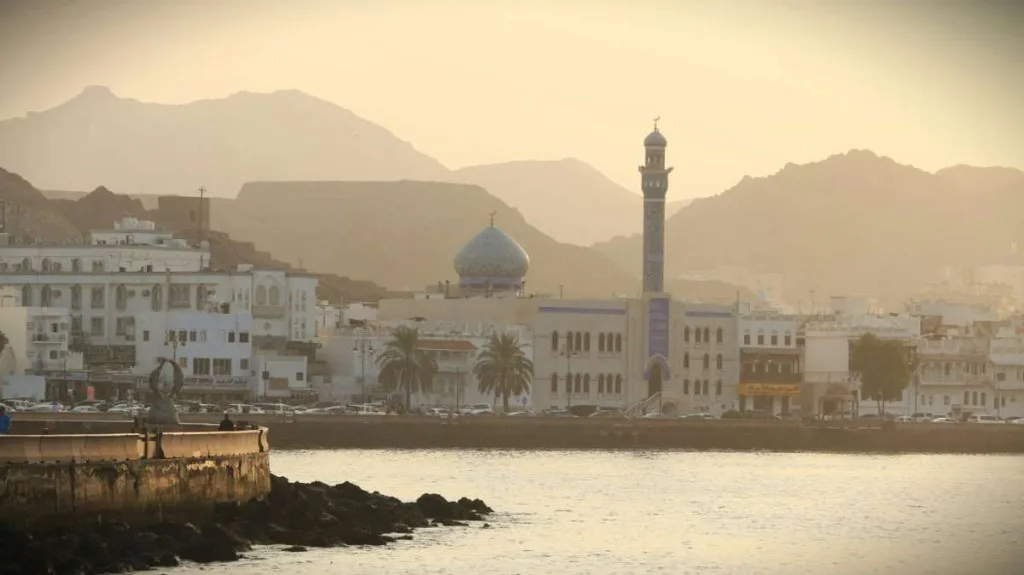
French nationals arriving in Oman do not require a pre-arranged visa—you can obtain a Visa on Arrival at Muscat International Airport for approximately OMR 5 (~$13 USD) (valid 30 days). However, your logistics chain begins the moment you leave your Dubai or Abu Dhabi hotel, not when you land. This guide walks you through every operational step: border documentation, booking your transfer, realistic drive times from UAE entry points, what to actually pack for Oman's climate, and how to sequence your first 48 hours for maximum efficiency.
1. Pre-Travel Documentation & Border Requirements (The First 72 Hours Before Departure)
Before you leave France, confirm three items:
- Passport validity: Your French (or EU) passport must have at least 6 months validity from your intended departure date from Oman. Oman immigration checks this strictly at the border.
- Travel insurance: Optional but strongly recommended. European providers (Allianz, Europ Assistance) offer 10–14 day Oman packages from €35–€80. Medical costs in Muscat's private hospitals (Al Garhoud, Darul Baraka) are not covered by reciprocal EU agreements.
- Vaccination records: No mandatory vaccinations for entry, but yellow fever and typhoid are advisable if traveling south to Salalah (see seasonal section below).
If you're flying via a Gulf carrier (Emirates, Gulf Air, Oman Air), most European departure airports (Paris CDG, Frankfurt, London Gatwick) have Oman visa information desks. You can also apply for a Visa on Arrival online at evisa.rop.gov.om before travel—processing takes 1–2 working days and costs OMR 5 (~$13 USD). This is the fastest route and eliminates queues at Muscat airport.
At the UAE–Oman border (Hatta/Buraimi or Al Ain/Mezyad checkpoints): If entering by road from Dubai or Abu Dhabi, have your passport, rental car documents (or transfer booking confirmation), and your Oman visa or eVisa receipt ready. Border wait time is typically 15–25 minutes during off-peak hours (08:00–10:00 AM, 15:00–17:00 PM) but can stretch to 45 minutes during school holidays (July–August, December–January) and weekends. GCC citizens (UAE residents) pass in under 5 minutes with GCC residency cards; European tourists should allow 20–30 minutes.
2. Booking Your Transfer: Timing, Options & Realistic Costs
The transfer is your first operational touchpoint in Oman. Most European visitors fly into Muscat International Airport (MCT), though some arrive via Dubai or Abu Dhabi. Here's the step-by-step booking logic:
2a. Standard Airport Transfer (Muscat)
Book your airport sedan transfer at least 72 hours before arrival. Our standard rate from Muscat airport to city center (6–8 km, 15–20 minutes) is:
- Airport Sedan (Standard): OMR 18 / USD 47
- Airport Sedan (Luxury): OMR 30 / USD 78
The luxury option includes a waiting time allowance (30 minutes) for luggage and border clearance delays. Book via WhatsApp (+968 9468 1176) or email ([email protected]) with your flight number and arrival time. We send driver confirmation (name, vehicle plate, mobile number) 24 hours before landing.
Tip for French arrivals: If your flight lands between 23:00–06:00 (overnight), add OMR 10 (night surcharge, not listed in base tariffs—contact us for exact quote). Early-morning flights (06:00–09:00) are cheapest because traffic to hotels is minimal.
2b. Cross-Border Transfers (Dubai or Abu Dhabi → Oman)
If you're renting a car in Dubai and driving to Oman, or if you prefer a driver, use our cross-border sedan transfer:
- Dubai to Muscat (Sedan): OMR 110 (~$286 USD)
- Dubai to Sohar (Sedan, north coast): OMR 95 / USD 245 / AED 900
- Abu Dhabi to Muscat (Sedan): OMR 110 / USD 285 / AED 1,045
Drive time Dubai–Muscat is 3.5–4 hours (280 km via E11 highway). The route is straightforward: E11 south from Dubai → Al Ain → UAE–Oman border (Hatta checkpoint) → Muscat via coastal highway. Border crossing adds 20–30 minutes. If you're traveling with luggage, passengers, or prefer not to drive, the sedan transfer includes a professional driver who navigates tolls (Salik, approximately AED 15–20 for the Dubai–Abu Dhabi-Muscat corridor) and handles border procedures.
If you need a larger vehicle:
- Dubai to Muscat (SUV): OMR 150 / USD 390 / AED 1,430
- Dubai to Muscat (Minivan, 6–7 seats): OMR 165 / USD 430 / AED 1,570
- Dubai to Muscat (Luxury Mercedes): OMR 180 / USD 470 / AED 1,720
Minivans are popular for families or groups of 4–5 European tourists sharing costs (per-person rate drops to USD 86–108). Luxury Mercedes (E-Class or S-Class) is preferred by business travelers and honeymooners; includes bottled water, phone charging, and premium climate control—critical during May–September when external temperatures exceed 45°C.
Booking timeline: Cross-border transfers must be reserved 5–7 days in advance. This allows us to coordinate with Oman vehicle licensing and brief your driver on your specific route preferences (e.g., stop in Sohar for lunch, detour via Batinah Coast, etc.).
3. Realistic Drive Times & Route Sequencing Within Oman
Once you're in Muscat, distances are deceptive. Oman's main highway (E6) is excellent asphalt, but desert terrain means long stretches between towns. Here are actual drive times from Muscat city center to key destinations:
- Muscat to Nizwa: 2.5–3 hours (160 km via E6 south)
- Muscat to Jebel Shams (mountain viewpoint): 3–3.5 hours
- Muscat to Wadi Shab (canyon & swimming pool): 1.5–2 hours (90 km)
- Muscat to Wahiba Sands (desert camping): 2.5–3 hours (180 km)
- Muscat to Jebel Akhdar (green mountain, fruit orchards): 2.5–3 hours via Nizwa
- Muscat to Salalah (southern coast, Khareef season): 10 hours by car (1,000 km). Flights available: 1 hour via Oman Air or FlyDubai (contact us for booking)
Critical logistics point: Oman has no motorway speed limit laws but aggressive driving is unsafe. Average speed on E6 is 100–120 km/h. Petrol stations are spaced 80–120 km apart in rural areas. If you're self-driving, budget OMR 40 in fuel per day for a standard sedan (roughly 8 liters @ OMR 0.18/liter in 2024).
If you prefer not to drive, hire a private driver. Our rates:
- Sedan (full day, 8 hours, up to 200 km): OMR 75 / USD 195
- SUV (full day, 8 hours, up to 200 km): OMR 90 / USD 234
- Half day (4 hours, up to 100 km): OMR 55 / USD 143
Private drivers navigate roads confidently, speak conversational English (some German or French), and know safe parking spots. They also manage border checkpoints if you're re-entering UAE. For a 3-day Oman trip from Muscat, budgeting USD 195/day for a sedan driver (plus fuel) is standard.
4. Building Your Pre-Departure Packing List (Climate & Logistics Reality)
Oman's climate varies dramatically by season and region. French visitors arriving in summer (June–August) face heat 45–50°C in Muscat; winter (December–February) is mild 20–28°C. Salalah (south) is cooler year-round due to monsoon influence (Khareef season June–September brings 20–25°C and mist). Pack accordingly:
- Clothing: Light, breathable cotton or moisture-wicking fabrics. Long sleeves and trousers protect from sun and are culturally respectful (Oman is conservative Islamic country). Swimwear for beach or wadi swimming, but change in private. No bikinis in public areas; modest one-piece acceptable.
- Footwear: Sturdy hiking boots for Jebel Shams or Jebel Akhdar (rocky, uneven terrain). Sandals for hotel/beach. Closed-toe shoes for mosque visits (required).
- Sun protection: SPF 50+ sunscreen (not readily available outside Muscat pharmacies; bring from France). Wide-brimmed hat, sunglasses (UV400). Oman's sun intensity is 15–20% stronger than southern France.
- Hydration: Reusable water bottle. Tap water is safe in Muscat and major cities; desert areas have limited access. Carry 1.5–2 liters per person on day trips.
- Medications: Bring prescription drugs in original containers (customs requirement). Antihistamines for potential dust allergies (harmattan winds April–May stir red sand). Imodium for digestive adjustment.
- Electronics: Power adapter (UK 3-pin plug standard in Oman). Bring dual USB charger; hotels rarely provide beyond single outlets. Phone SIM cards available at airport (Oman Telecommunications Company, Ooredoo) for USD 2–5; data packages OMR 5–15 for 5–10 GB/month.
- Documents: Hard copies of hotel confirmations, tour bookings, and eVisa receipt (backup to phone PDF). Oman immigration occasionally asks for printed confirmations, not just digital.
For desert camping (Wahiba Sands overnight tours, OMR 129 / USD 129), bring a light jacket—desert temperature drops to 15–20°C at night, even in summer. Insect repellent (DEET 20%+) for dusk hours around wadi areas.
5. Booking Tours & Activities: Sequence & Timing
Once you've arranged transfers, book tours at least 72 hours in advance. Here's the logical sequence for a typical 3–5 day Oman itinerary:
Day 1 (Arrival Day – Muscat City)
Book arrival transfer (airport sedan, USD 47). Settle into hotel, rest 2–3 hours. Late afternoon: half-day Muscat city tour (OMR 45 / USD 45) covering Sultan Qaboos Grand Mosque, Al Jalali fortress, Old Souk, and corniche. Dinner in Muscat old town (budget OMR 35 / USD 90 for mid-range meal per person).
Day 2 (Nearby Wadi or Mountain)
Wadi Shab day trip (from OMR 60 / about USD 156) departs 07:00, returns 15:00. Includes vehicle and lunch. The tour guide is on request for OMR 80 total per vehicle. Moderate difficulty: 2 km hike through canyon to emerald pools. Alternatively, Jebel Akhdar day trip (OMR 119 / USD 119) for mountain villages and fruit farms.
Day 3 (Desert or Nizwa)
Wahiba Sands day trip (OMR 129 / USD 129, returns same day) or Nizwa day trip (OMR 69 / USD 69, includes fort and traditional souk). For overnight camping in Wahiba (desert experience), book Wahiba Sands overnight tour (OMR 129 / USD 129, departs 15:00, returns 09:00 next morning with breakfast). This requires an extra night's accommodation cost but is logistics-efficient if you pre-arrange a hotel pickup the following morning.
Pre-booking note: Tours depart from Muscat hotels between 07:00–08:00. Coordinate your hotel's breakfast timing—most tours include packed lunch but not breakfast. Request early check-out with reception if you're joining a 07:00 departure.
Multi-Day Packages (Best Value)
If you're staying 5+ days, our multi-day packages offer better per-day costs:
- 3-Day Oman Package: OMR 299 / USD 299 (includes 2 nights accommodation in mid-range hotel, 3 guided tours, transport)
- 5-Day Oman Itinerary: OMR 799 / USD 799 – USD 1,499 (customizable; contact us for exact inclusions)
- 7-Day Private Tour: USD 1,170 / AED 4,500 (dedicated private driver,
Frequently Asked Questions
Do French passport holders need a visa for Oman?
No — French passport holders receive Oman visa on arrival at Muscat Airport for OMR 5 (~€12). No pre-application required. 10-day stay extendable to 30 days.
How long is the flight from France to Muscat?
Paris to Muscat: approximately 7–9 hours via Dubai, Doha, or Abu Dhabi. Direct flights are not currently available from Paris — all routes connect through a Gulf hub.
What is the best time for French visitors to travel to Oman?
November to February aligns French school holidays with Oman peak season. The Christmas and New Year period is the busiest. February school holidays (vacances de février) are particularly popular for French families visiting Oman.
Is Oman popular with French tourists?
Yes — French tourism to Oman has grown significantly. The country's safety, natural beauty, and cultural depth appeal to French travellers who tend to seek more than beach holidays. French is not widely spoken — English is the tourist language.
What does a 5-day Oman tour cost in Euros?
Private 5-day tour from OMR 220/vehicle (~€506). Return flight Paris–Muscat approximately €600–1,000 depending on season. Hotel mid-range from OMR 35–60/night (~€81–138).
What should French visitors know before going to Oman?
Visa on arrival at the airport. English is the tourist and business language — French is rarely spoken. Modest dress at cultural sites. No alcohol outside hotel venues. October to April is the best season.
📱 Book Your Tour Online
Get instant confirmation — WhatsApp reply in 15 minutes