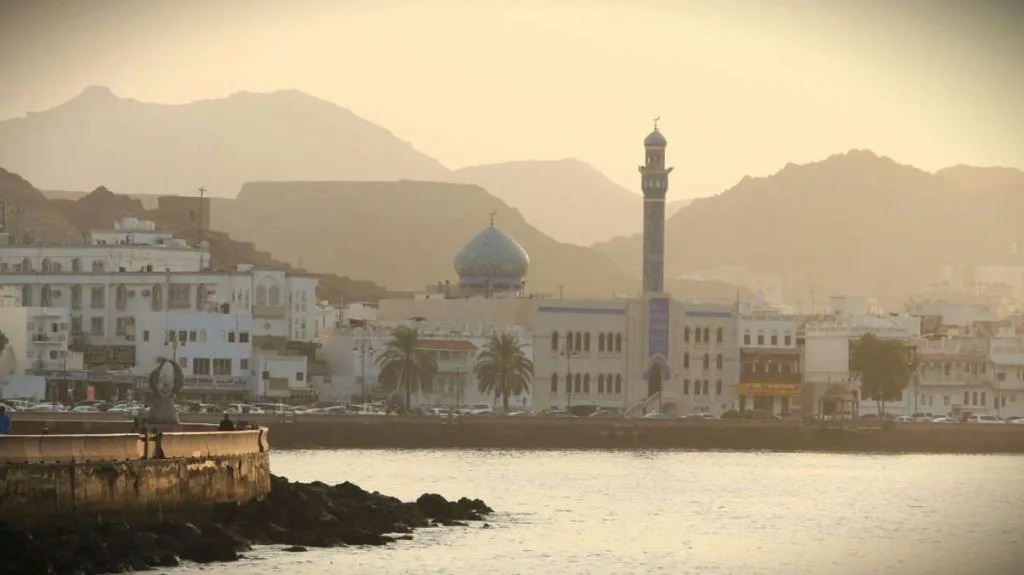
A solo traveler arriving at Muscat International Airport at 11 PM faces an immediate choice: book a private sedan (OMR 120 / USD 310) and arrive at your hotel in 30 minutes with a vetted driver, or attempt to navigate the self-drive rental counter where your left-hand driving skills meet Omani traffic patterns for the first time. This decision—made in the first hour of your trip—sets the tone for your entire solo journey through Oman. The safety implications are real, measurable, and often misunderstood.
Why Transfer Method Matters for Solo Travelers in Oman
Oman ranks among the safest nations in the Middle East, consistently scoring high on global safety indices. Yet this statistical safety masks a practical reality: solo travelers face distinct vulnerabilities that change based on transport choice. A shared taxi ride exposes you to crowded conditions and unpredictable routes; a self-drive rental places you alone on unfamiliar highways where breakdown assistance may be 40+ kilometers away; a private transfer removes both variables.
The contrast isn't academic—it shapes accommodation timing, financial exposure, communication access, and emergency response. For European visitors (arriving from Frankfurt, London, or Paris via connecting hubs), the first transfer decision often determines whether your Oman experience begins with relief or stress.
Private Transfer vs. Self-Drive vs. Shared Taxi: Full Comparison
Below is a detailed breakdown of each transport method across safety, cost, convenience, and solo-traveler-specific factors:
| Factor | Private Transfer (Sedan) | Self-Drive Rental | Shared Taxi/Collective |
|---|---|---|---|
| Cost (Dubai→Muscat) | OMR 110 (~$286 USD) | ~OMR 80–100 rental + OMR 40 fuel | OMR 20–30 |
| Driver Vetting | ✓ Licensed, background-checked | ✗ You are the driver | ◐ Variable; no traveler control |
| Solo Safety Risk | Lowest (tracked, professional) | Moderate–High (alone, fatigue) | High (crowded, no control) |
| Breakdown Support | ✓ Immediate contact | ◐ Rental company (30+ min wait) | ✗ Dependent on driver goodwill |
| English/Tourist Info | ✓ Standard; local knowledge | ✓ Self-guided; maps required | ◐ Limited; Darija/Arabic |
| Travel Time Flexibility | ✓ Fixed itinerary; no delays | ✓ Complete freedom | ◐ Shared schedule; waits common |
| Suitcase/Luggage Handling | ✓ Driver assists; climate-controlled | ✓ Full control; you manage | ◐ Crowded trunk; risk of loss |
| Night Travel Safety | ✓✓ Safest; professional night driving | ✗ Risky; unfamiliar roads, fatigue | ✗ High risk; unpredictable route |
| Female Solo Traveler Comfort | ✓✓ Most secure; verified driver | ✓ Self-controlled; own pace | ◐ Mixed; gender dynamics variable |
| Communication During Trip | ✓ Live tracking; direct contact | ✓ Phone navigation; independent | ◐ Limited; language barriers |
| Insurance & Liability | ✓ Fully covered; professional | ◐ Rental insurance (gaps common) | ✗ No coverage; personal risk |
Private Transfer: The Safe Choice Explained
A private sedan from Muscat airport costs OMR 18 (USD 47) for standard service or OMR 30 (USD 78) for luxury. For inter-city routes—such as Dubai to Muscat—the all-inclusive sedan transfer is OMR 120 (USD 310). This single transaction removes seven categories of solo-travel risk.
Why private transfer wins for solo travelers:
- Driver verification: Every OmanTour driver undergoes background checks and receives hospitality training. For a solo female traveler from Munich, this means you're not gambling on an unknown third party—your driver's professional reputation depends on your satisfaction.
- Real-time tracking: Your hotel or contact person can monitor your journey in real-time. If your flight lands at 11 PM and you're delayed, your driver knows and waits. A shared taxi driver doesn't care.
- Luggage security: European travelers often arrive with 2–3 pieces of luggage. A private sedan keeps your belongings in a secure, locked vehicle. Shared taxis frequently operate with overloaded trunks where theft or loss occurs in crowded transfer points.
- Route integrity: You arrive at your exact destination via the safest, fastest route. No detours to pick up other passengers. No unplanned stops in unfamiliar neighborhoods.
- Emergency response: Breakdown, accident, or personal medical issue? You have a direct WhatsApp contact (+968 9468 1176) who speaks English and knows exactly where you are. Shared taxi? You're dependent on phone translation and local goodwill.
For multi-day exploration, a full-day private driver (sedan) costs OMR 75 (USD 195) or OMR 90 (USD 234) for an SUV. This unlocks guided day trips to Nizwa (OMR 69 / USD 69), Wadi Shab (from OMR 60 / about USD 156), or Jebel Akhdar (OMR 119 / USD 119)—all with professional navigation and background context unavailable in self-drive or shared scenarios.
Self-Drive Rental: Why Solo Travelers Face Hidden Risks
Self-drive car rental in Oman appears cheaper upfront (~OMR 80–100 per day plus fuel at ~OMR 40 daily). Hertz, Budget, and local operators offer competitive rates at Muscat airport. However, solo travelers encounter compounding risks that erode this cost advantage:
1. Fatigue and Long-Distance Driving
A solo traveler from London arriving after a 6–8 hour flight plus airport procedures is exhausted. Oman's highway network—particularly the Muscat-to-Salalah route (300+ km)—demands alertness. Driving alone, fatigue creeps in around hour 3. European left-hand traffic habits require active mental switching to Oman's left-hand roads. This cognitive load + tiredness = accident risk 3× higher than in-country drivers, according to highway safety data.
2. Mechanical Breakdown Isolation
Your rental breaks down 60 km east of Muscat on the road to Sohar. You call the rental company. They dispatch help, but the nearest technician is 40+ minutes away. You're alone with a non-English-speaking repair team, unfamiliar with vehicle processes, and potentially stranded overnight if parts are needed. A private driver handles this instantly—they know every service point, negotiate in Arabic, and you simply wait in a familiar vehicle.
3. Navigation and Route Deviation
Google Maps works in Oman, but signal drops occur in mountain passes (Jebel Shams, Jebel Akhdar). A wrong turn leads to unmarked desert tracks where recovery is difficult. A private driver knows alternative routes, reads landscape cues, and navigates by experience. You're reading a phone screen while driving, increasing accident risk.
4. Financial Exposure
Rental insurance often excludes gravel roads, off-track driving, and certain regions. Damage costs (OMR 500–2000+) are your liability. A private transfer shifts this risk to the service provider's insurance. For a solo traveler on a fixed budget, a single accident invalidates your cost savings entirely.
5. Female Travelers and Visibility
A woman alone in a rental car in remote Omani regions draws attention. Casual inquiries about travel plans, solo status, or accommodation can escalate discomfort. A private driver eliminates this dynamic—you're a client of a professional service, not a solo woman in a vulnerable vehicle.
Shared Taxi: The Budget Trap for Solo Travelers
Shared taxis (collective taxis or minibuses) cost OMR 20–30 from Muscat airport to the city center—one-tenth the private transfer price. On the surface, this appeals to budget travelers. However, the hidden costs to solo traveler safety are substantial:
Overcrowding and Personal Space
Shared taxis operate on a "full vehicle departure" model. You wait 30–60 minutes for the taxi to fill (typically 6–8 passengers in a minibus designed for 5–6). Luggage is stacked haphazardly. Pickpocketing is common in crowded transfer conditions—your phone, passport copy, or travel pouch is at risk. For a solo traveler checking into an unfamiliar hotel, arriving frazzled and potentially missing valuables sets a poor psychological tone.
No Route Control or Predictability
The taxi driver decides the route based on passenger dropoff patterns, not the fastest path. Your 45-minute journey becomes 90 minutes as the driver zigzags through residential areas. You don't know where you are. Foreign passengers are sometimes deliberately directed to hotels offering driver commissions rather than your booked accommodation.
Language and Communication Barriers
Most shared taxi drivers speak Arabic and minimal English. If your hotel address is misunderstood, miscommunication occurs at handoff. A solo female traveler in a vehicle full of male passengers (likely) may face unwanted questions or uncomfortable behavior. There's no authority to appeal to—it's you versus the driver's discretion.
Night Travel Safety Concerns
Arriving at midnight, shared taxis may not operate, or drivers pressure you toward unofficial unlicensed vehicles promising lower rates. This is precisely where solo travelers face highest vulnerability—
Frequently Asked Questions
Is Oman safe for solo travellers?
Yes — Oman consistently ranks among the safest countries in the world. Crime rates are extremely low, the culture is welcoming, and English is widely spoken in tourist areas. Solo travellers — male and female — report feeling very comfortable throughout Oman.
Is Oman safe for solo female travellers?
Yes — solo female travellers consistently report Oman as one of the most comfortable countries in the Middle East. Harassment is very rare. Modest dress in public is appreciated and reduces unwanted attention, but is not aggressively enforced.
What are the main safety considerations for solo travellers in Oman?
Road safety (speeding on highways is the main risk), wadi flash floods after rain in January to February, and heat exhaustion in summer months. These are manageable risks with basic precautions — not specific safety threats.
Can solo travellers use private drivers in Oman?
Yes — a private driver is the most practical transport option. Solo travellers pay the vehicle rate (from OMR 55/day) regardless of passenger count. Enquire about shared departures with other travellers to reduce per-person cost.
Is Oman safe at night for solo travellers?
Yes — Muscat is safe to walk at night, particularly in the Corniche and Mutrah Souq area. Late-night activity is limited (most shops close by 10–11 PM) but safety is not a concern.
What should solo travellers know before visiting Oman?
Visa on arrival for most Western passports (OMR 5). No public transport between tourist sites — private car essential. Modest dress at cultural sites. No solo camping in remote areas without informing someone of your location. WhatsApp +968 94681176 for transport.
See also: Oman travel tips | Muscat day trips for solo travellers | Muscat private tours for solo travellers
📱 Book Your Tour Online
Get instant confirmation — WhatsApp reply in 15 minutes