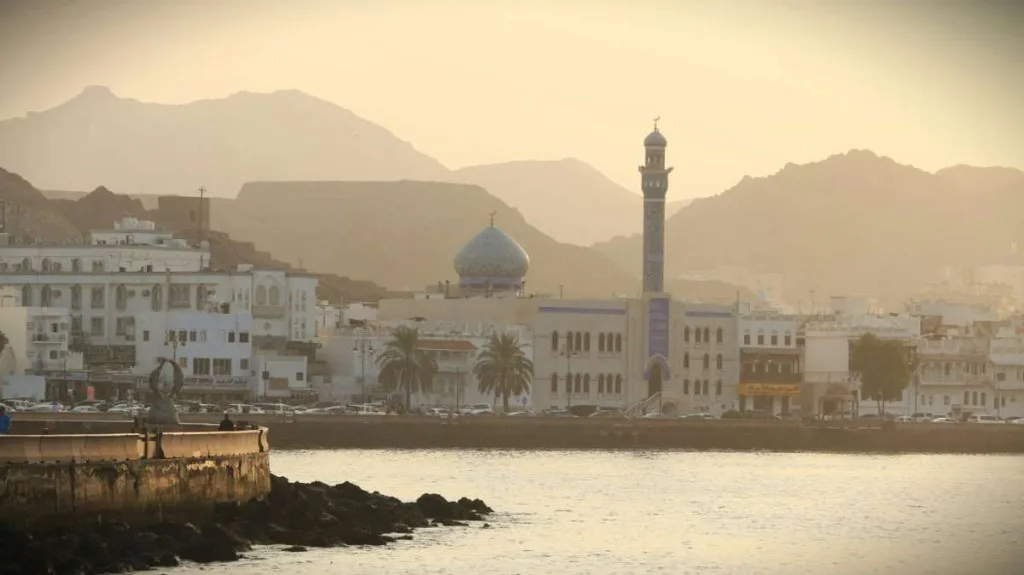
The overland drive from Dubai to Oman takes 3–4 hours depending on your destination. A sedan transfer to Muscat costs OMR 120 (USD 310 / AED 1140). But when you book that transfer—and the private tours that follow—matters as much as how you book it. Oman's climate swings between scorching summer heat, perfect winter conditions, and the unique monsoon season (khareef) that transforms the southern mountains. This seasonal reality directly affects tour availability, pricing, comfort, and which experiences are actually worth your time and money.
Why Seasonal Timing Determines Your Oman Private Tour Success
A private tour from Dubai to Oman isn't a one-size-fits-all product. The best month to explore Nizwa's fort and souks differs radically from the best month to trek Jebel Shams. Ramadan reshapes restaurant hours, mosque visiting protocols, and guide availability. The khareef (southwest monsoon, June–September) opens Salalah—the "Pearl of the Arabian Sea"—to lush waterfalls and green valleys, yet simultaneously closes mountain roads and reduces other tour options.
When you contact OmanTour at +968 9468 1176 or email [email protected], your first question shouldn't be "How much?" It should be "Which month am I visiting?" Because:
- October–April: Peak season, full tour calendar, higher demand, cooler temperatures (20–28°C), all attractions accessible.
- May–September: Off-season in northern/central Oman; khareef season makes Salalah a unique destination; fewer private groups, more flexible scheduling, lower prices on some packages.
- Ramadan (varies yearly): Sunset dining shifts, fewer daytime tours, spiritual atmosphere, reduced guide availability, specific tour timing constraints.
Peak Season (October–April): Book Your Private Tour Early
Winter months define the Omani tourism calendar. Temperatures in Muscat hover between 20–28°C (68–82°F), perfect for full-day private exploration. European visitors—particularly from Germany, France, and the UK—flood Dubai and Oman from November through March. If you're planning a private overland tour during this window, expect:
- All day trips fully operational: Nizwa (OMR 69 / USD 69), Wahiba Sands (OMR 129 / USD 129), Jebel Shams (OMR 125 / USD 125), Wadi Shab (from OMR 60 / about USD 156).
- Multi-day packages running at full capacity: 3-day itinerary (OMR 299 / USD 299), 5-day program (OMR 799 / USD 799), 7-day private tour (USD 1170 / AED 4500).
- Private drivers available within 24–48 hours; longer lead times (2–4 weeks) ensure your preferred sedan (OMR 75 full-day / USD 195) or SUV (OMR 90 full-day / USD 234) is secured.
- Midday heat manageable; early-morning starts (5–6 AM) and afternoon rest periods allow full fort visits, souk exploration, and mountain hikes without exhaustion.
Booking strategy for peak season: Arrange your Dubai–Muscat sedan transfer (OMR 110 (~$286 USD)) and private driver at least 3 weeks ahead if traveling November–February. If visiting March–April, 2 weeks' notice usually suffices as Easter holiday demand peaks mid-March. European business travelers on corporate assignments often use the hourly private driver rate (OMR 30 / USD 78) for flexible, afternoon town exploration after meetings.
Which tours to prioritize in peak season: The Jebel Akhdar day trip (OMR 119 / USD 119) is essential October–April; the mountain roads are dry, the terraces of the "Green Mountain" are lush, and pomegranate blooms (November–December) are breathtaking. Salalah is less critical in winter—the khareef rains have long passed, and the landscape reverts to semi-arid conditions.
Shoulder Season (May–September): Flexibility & the Khareef Window
Summer in northern Oman is punishing. Muscat peaks at 42–48°C (107–118°F). Outdoor sightseeing becomes dawn-only or evening-only. Most European tourists abandon central/northern Oman for this period. However, southern Oman (Salalah) undergoes a dramatic transformation.
The Khareef (June–September): This southwest monsoon system is unique to the Arabian Peninsula's southern coast. While the rest of the Middle East bakes in silence, Salalah receives moisture-laden winds that trigger rainfall, lower temperatures (20–28°C—cooler than peak winter), and verdant vegetation. Waterfalls cascade from mountains. Olive and pomegranate trees fruit. The Khareef Festival (typically August) celebrates this natural phenomenon with concerts, food stalls, and exhibitions.
If you're a private-tour customer with flexibility, May–September offers:
- Salalah-focused itineraries: The Salalah Khareef day trip (OMR 99 / USD 99) becomes the anchor experience. A 3-day Salalah package (OMR 250 / USD 650) is often priced lower due to reduced peak-season competition. The Salalah city half-day tour (OMR 65 / USD 65) pairs beautifully with Al Mughsayl Beach waterfall hikes and the ancient frankincense port of Mirbat.
- Reduced private-driver demand: Securing an SUV (OMR 90 full-day / USD 234) is easier. Lead time shrinks to 1–2 weeks. Negotiation room exists for multi-day private-driver packages (contact us for a quote on extended arrangements).
- Lower accommodation & meal costs: Mid-range meal budgets (OMR 35) and camping in Salalah region (OMR 50 per night) are genuinely affordable in June–August.
- Closed attractions: Jebel Shams roads may partially close; Jebel Akhdar is less appealing (dry, brown landscape). Wahiba Sands remains accessible but heat-intensive.
Booking strategy for khareef season: If visiting July–August specifically for khareef, book your Salalah experience 4–6 weeks ahead to secure private driver availability. The Dubai–Salalah journey is longer (contact us for a quote on special routing); most private tours from Dubai to Salalah pass through Muscat, adding 1–2 hours to journey time. A minivan (OMR 165 / USD 430 / AED 1570) or luxury Mercedes (OMR 180 / USD 470 / AED 1720) from Dubai is advisable for the full-day overland experience.
Ramadan: Spiritual Timing & Operational Changes
Ramadan—the Islamic holy month of fasting, prayer, and reflection—falls on different dates each year (lunar calendar). In recent years: 2024 (March 11–April 9), 2025 (February 28–March 30), 2026 (February 18–March 20). During these dates, Oman operates under specific protocols that affect your private tour experience.
- Daytime hours: Most Muslims fast; many restaurants close 6 AM–6 PM. Non-Muslim tourists are not required to fast, but eating/drinking in public during fasting hours is considered disrespectful. Private guides typically arrange discrete meal breaks or guide you to tourist-friendly venues.
- Mosque access: Major mosques (Sultan Qaboos Grand Mosque in Muscat, featured in multi-day itineraries) may restrict visitor hours or close to tourists during prayer times (especially midday and evening prayers). Half-day city tours (OMR 45 / USD 45) must be timed carefully; ask your private driver to confirm opening hours when booking.
- Evening energy: After sunset, Oman comes alive. Family gatherings, evening prayers, festive meals (iftar). If your private tour includes evening activities, you'll experience authentic Omani culture at its most vibrant. Many private drivers suggest shifting daytime sightseeing to early morning (5–7 AM) or late afternoon (4–7 PM) and reserving evening for souk walks and traditional dinners.
- Guide availability: Some private guides take Ramadan off or work reduced hours. Book 4–6 weeks ahead to secure experienced guides familiar with Ramadan itinerary adjustments.
- Pricing: Ramadan packages are not separately priced; the standard rates apply (Nizwa day trip OMR 69 / USD 69, etc.), but timing flexibility is key.
Pro tip for European visitors: Ramadan is an excellent time to experience authentic Omani spirituality and evening culture. If you're comfortable with daytime flexibility and respect for fasting customs, the atmosphere is profound. However, if you prioritize full-day outdoor exploration and uninterrupted dining, consider traveling outside Ramadan windows.
Monthly Breakdown: Temperature, Comfort & Tour Feasibility
| Month | Avg. High / Low (°C) | Best Tours | Avoid | Booking Lead Time |
|---|---|---|---|---|
| October | 35 / 25 | Nizwa, Wahiba, Jebel Shams (early morning) | Midday outdoor exposure | 2–3 weeks |
| November | 29 / 19 | All tours; Jebel Akhdar optimal; peak season begins | None | 3–4 weeks |
| December | 26 / 15 | Multi-day packages (3–7 day); mountain hikes; city tours | None | 4–6 weeks (holiday demand) |
| January | 25 / 14 | All tours; peak season apex | None | 4–6 weeks |
| February | 27 / 16 | All tours; milder than January | None | 3–4 weeks |
| March | 31 / 20 | Nizwa, Wadi Shab, fort tours; avoid midday heat | Afternoon desert exposure | 2–3 weeks (Easter variable) |
| April | 37 / 25 | Early-morning tours; Muscat city walks (dawn) | Midday open-air activities | 2 weeks |
| May | 40 / 28 | None (off-season); Salalah begins khareef transition | Northern Oman daytime | 1–2 weeks |
| June–July | 42 / 30 | Salalah only (khareef lush); dawn/dusk activities | Central/northern Oman | 4–6 weeks (khareef package) |
| August | 41 / 29 | Salalah khareef festival; Al Mughsayl waterfalls | Central/northern desert | 4–6 weeks |
| September | 38 / 27 | Salalah (khareef fading); transition to dry season | None (khareef ending) | 2–3 weeks |
Booking Strategy Timeline: From Dubai Departure to Oman Return
6–8 weeks before travel (peak season November–February):
- Contact OmanTour via WhatsApp (+968 9468 1176) or email ([email protected]) with your exact travel dates, party size, and preferred experiences.
- Request a quote for Dubai–Muscat sedan transfer (OMR 110 (~$286 USD)) and your chosen multi-day package (e.g., 3-day OMR 299 / USD 299 or 5-day OMR 799 / USD 799).
- Confirm private driver availability (sedan full-day OMR 75 / USD 195 or SUV full-day OMR 90 / USD 234).
- Secure airport transfers (sedan standard OMR 18 / USD 47 or luxury OMR 30 / USD 78).
3–4 weeks before travel:
- Finalize itinerary. Select day trips: Nizwa (OMR 69 / USD 69), Wahiba Sands overnight (OMR 129 / USD 129),
Frequently Asked Questions
How long does a private Oman tour from Dubai take?
A minimum of 3 days allows Muscat city, Wadi Shab, and Nizwa Fort. Five days adds Jebel Akhdar and Wahiba Sands. The drive from Dubai to Muscat takes 4 to 4.5 hours via Hatta border. Private car from Dubai from OMR 110/vehicle (~$286 USD).
Do I need a visa for an Oman tour from Dubai?
Most Western passport holders receive Oman visa on arrival at Hatta border for OMR 5 (~$13 USD). GCC nationals enter without a visa. Indian nationals need an e-Visa arranged before travel.
What is included in a private Oman tour from Dubai?
Private AC vehicle, English-speaking driver, fuel, and all driving for the agreed itinerary. Hotels, meals, entry fees, and desert camp fees are separate. The Dubai-Muscat leg from OMR 110/vehicle.
Can I do a day trip to Oman from Dubai?
Yes — a Muscat day trip from Dubai takes 4 to 4.5 hours each way. You arrive by late morning, see Grand Mosque and Mutrah Souq, and return the same evening. Private car return from OMR 110/vehicle.
What is the best 3-day Oman tour from Dubai?
Day 1: Drive to Muscat, afternoon Wadi Shab. Day 2: Nizwa Fort and Friday market (if Friday). Day 3: Muscat city tour, return to Dubai. Private car for the full trip from OMR 280 total.
How do I book a private Oman tour from Dubai?
WhatsApp +968 94681176 with your dates, number of passengers, and preferred destinations. We confirm with a fixed price and itinerary within hours. Payment at the end of the tour.
📱 Book Your Tour Online
Get instant confirmation — WhatsApp reply in 15 minutes