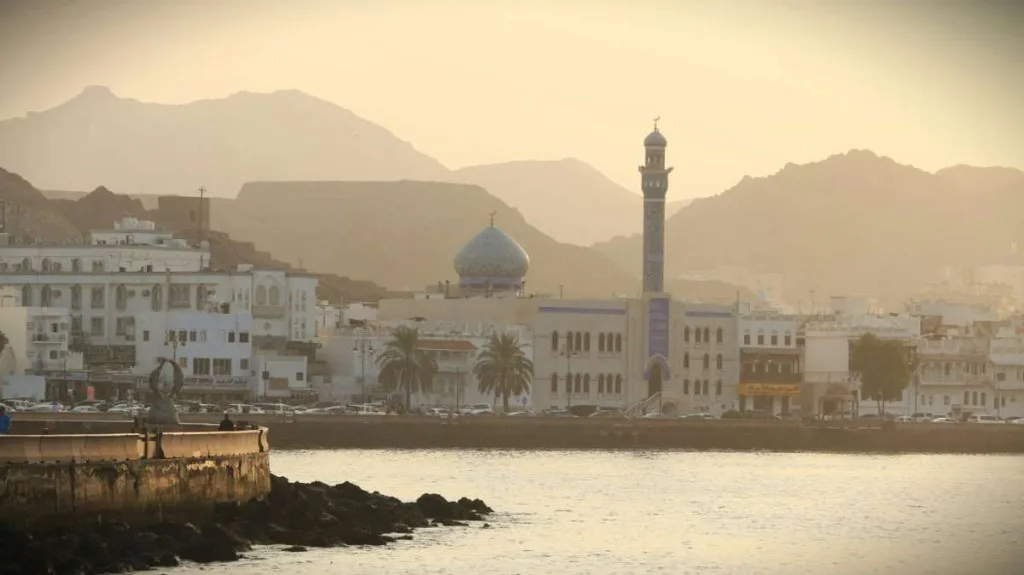
Muscat's coast explodes in colour during October's first light—crisp air, low humidity, and 10+ hours of shooting daylight. But Salalah's Khareef monsoon (July–September) delivers waterfalls and green mountains that vanish by November. Choose the wrong season, and you'll fight haze, Ramadan closures, or impossible heat. This guide maps Oman's photography calendar by month, weather impact, and logistics so your shots match the light, not the crowds.
October–November: The Peak Golden Window (Start Here)
October marks Oman's **golden season for photographers**. Temperatures drop from 40°C (104°F) in September to a crisp 32–35°C (90–95°F). Humidity plummets. The Muscat waterfront—from the Corniche to Mutrah Souk—glows in low-angle morning and evening light. The shallow angle of the sun between 6:30–7:00 AM and 5:00–5:30 PM extends your shooting window by 45 minutes compared to European latitudes.
**Visibility is exceptional.** Air clarity improves dramatically after September's heat haze clears. Rock formations in Wadi Shab photograph sharply—no atmospheric distortion. The limestone faces catch warm light by 7 AM, unlike winter's hazy midday.
**Logistics align.** Hotels drop prices 20–30% post-summer. Beaches are uncrowded. Tour operators run full schedules—no Ramadan interruptions (Ramadan 2025 runs March 1–29, disrupting March bookings). For a **Muscat City half-day tour** (OMR 45 / USD 45), you'll shoot the Sultan Qaboos Grand Mosque, old town alleyways, and the corniche without midday glare destroying shadow detail.
**Book a private driver for flexibility:** SUV full day is OMR 90 / USD 234. This lets you chase light during golden hour—common in Oman—without tour group schedules.
June–September: Khareef Monsoon & High-Risk Summer
The Khareef (June–September) is Oman's monsoon season, primarily affecting **Salalah in the south** (400 km from Muscat). If you're chasing lush waterfalls and dramatic green cliffs, this window is non-negotiable. If you're staying in Muscat, avoid June–August entirely.
**Salalah transforms during Khareef.** Waterfalls flow at Wadi Darbat. The Jebel Qara plateau turns emerald. Humidity spikes to 95%+, but cloud cover and drizzle create moody, diffused light—no harsh shadows. ISO performance matters less. These conditions suit **landscape and macro work** (fungi, wet rocks, water droplets). Portrait work becomes difficult due to overhead cloud cover.
**Muscat during June–August is hostile to photography.** Temperatures hit 45–48°C (113–118°F). Heat haze warps anything beyond 50 metres. Humidity reaches 80%+. Lens condensation is guaranteed if you move between air-conditioned transport and outdoors. Shutter speeds blur due to mirage effects. Tourist sites are crowded with package-tour groups fleeing regional heat.
**If you book Salalah during Khareef:** - **Salalah Khareef day trip:** OMR 99 / USD 99 (includes Wadi Darbat, caves, coastal viewpoints) - **Salalah 3-day package:** OMR 250 / USD 650 (covers multiple waterfalls, Taqah Castle, Al Mughsayl Beach) - Pack a **circular polarizer** (cuts sky glare in moisture-heavy air) and lens cleaning cloths (condensation is relentless)
**July–September downside:** This is **low tourist season**. Many small tour operators reduce staff. Booking a private driver (OMR 90 full day / USD 234) is more reliable than group tours. Road conditions worsen; occasional flash floods close wadis. Check wadi status 24 hours before heading south.
December–February: Winter Clarity & Cool Shooting
December through February delivers **cool, crystal-clear light**—the second-best window after October–November. Temperatures settle at 22–28°C (72–82°F). This is ideal for all-day shoots: you don't overheat, batteries last longer, and lens fogging is minimal.
**Light direction shifts.** The sun is lower in the southern sky than in October. This favours **east-facing and west-facing subjects**—cliffs, rock towers, and coastal formations light up at 7:00–7:30 AM and 4:00–4:45 PM. The Grand Mosque interior (accessible until 11 AM, off-limits during prayer) is flooded by directional morning light through carved screens.
**Wadi Shab and Jebel Akhdar photography excels.** Water flow is stable (not flooded from monsoon, not dry from summer). Rock colours are saturated. The palm-fringed pool at Wadi Shab reflects sky without the midday haze. A **Wadi Shab day trip** costs from OMR 60 / about USD 156.
**Trade-off:** Accommodation prices spike 40–50% above October. January–February especially attract European package tours (UK half-term, German ski-season overflow). Popular viewpoints (Jebel Shams plateau, Wahiba Sands) fill with groups by 7:30 AM. For solitude, book a **Jebel Akhdar day trip** (OMR 119 / USD 119) on a Wednesday or Thursday, or hire a private guide.
March–April: Spring Transition & Ramadan Blackouts
March is **Oman's calendar trap for photographers.** Temperatures climb from 28°C to 36°C (82°F to 97°F) by month-end. Visibility degrades mid-month as thermal activity increases. But spring wildflowers (especially in Al Hajar mountains) bloom early March if winter rains were adequate.
**Critical: Ramadan 2025 runs March 1–29.** During Ramadan: - Restaurants and cafés close during daylight hours (no lunch, no coffee breaks between shoots) - Many businesses operate reduced hours (shops open after 8 PM, some close at noon) - Tourist sites have limited access; Muscat Souk areas get congested at dusk - Local guides may be unavailable or distracted - Photography of people becomes sensitive; always ask permission
**If shooting in March, book before the 1st.** Ramadan doesn't prohibit tourism, but logistics fragment. Tours like **Nizwa day trip** (OMR 69 / USD 69) may skip traditional souk browsing due to closures. Opt for landscape and architectural shoots (mosques, forts, wadis) instead.
April is post-Ramadan relief. Heat builds, but Eid holidays (April 10–11, 2025) mean schools and offices close—crowds return to tourist sites. Late April (25–30) offers a brief sweet spot before May's heat ramp-up: 34–38°C, still manageable for dawn/dusk shoots.
May & September: Avoid—Heat, Dust & Closures
**May is Oman's dead month.** Temperatures hit 42–45°C (108–113°F) by mid-May. Dust storms ("haboob") roll in from the Arabian Peninsula, dropping visibility to 500 metres. The thermocline effect creates shimmering air layers that ruin detail in any distance shot. Humidity and heat combine to drain batteries 30% faster. Most tour operators reduce schedules; some close entirely.
**September is the monsoon tail.** Salalah is still wet and cloudy (useful for one more week of Khareef shots), but Muscat experiences chaotic weather: afternoon thunderstorms, flash flooding, isolated wind gusts. Booking a tour is risky; road closures can strand groups. Light is unpredictable—dramatic, but unreliable for planned compositions.
**If you must shoot May or September:** Hire a private driver (sedan full day OMR 75 / USD 195; SUV full day OMR 90 / USD 234) instead of tours. Stay near Muscat; skip long road trips to Salalah or remote wadis. Shoot early morning (5:30–8:00 AM) and dusk only; midday is lost.
Booking Strategy by Season: Transfers, Tours & Total Cost
Your arrival point determines transfer cost. Most European visitors fly to Dubai and cross the border into Muscat (180 km, 2.5 hours).
Dubai to Muscat transfer pricing (one-way):
- Sedan: OMR 110 (~$286 USD)
- SUV: OMR 150 / USD 390 / AED 1,430
- Minivan: OMR 165 / USD 430 / AED 1,570
- Luxury Mercedes: OMR 180 / USD 470 / AED 1,720
October sample 5-day itinerary (optimal season):
- Dubai–Muscat transfer: USD 310 (sedan)
- Private driver, 4 days (SUV): OMR 90 × 4 = our current OMR rate (WhatsApp for quote) / USD 936
- Wadi Shab day trip: from OMR 60 / about USD 156
- Jebel Akhdar day trip: OMR 119 / USD 119
- Muscat Souk + Corniche extended tour: OMR 60 / USD 60
- Entrance fees (approx 3 sites): OMR 60 / USD 156
- Fuel/parking/meals: OMR 200–300 / USD 520–780
- Total (excluding accommodation): USD 2,090–2,450
Ramadan alternative (March, if you're committed): Book an Oman 3-day package (OMR 115 / USD 299) instead of day-by-day tours. Fixed itineraries bypass restaurant/souk closure issues. Add Dubai–Muscat transfer (USD 310), and base cost is USD 609—31% cheaper than October DIY approach, but less photography flexibility due to group timing.
Light Quality & Weather Data by Month
Photographers obsess over light angle, not just temperature. Here's the monthly breakdown:
October–November: Sun altitude 45–55° at solar noon (high enough to avoid extreme shadows, low enough for warm colour temperature). Golden hour extends 55–65 minutes before sunset. **Best for:** wide landscapes, architecture, water reflections.
December–February: Sun altitude 30–40° (very low, strong side-lighting). Golden hour extends 60–70 minutes. **Best for:** texture detail, rock formations, dramatic shadows. **Worst for:** white subjects (mosques)—blown highlights likely.
March–April: Sun altitude 50–65° (neutral, less flattering). Heat haze begins mid-March. **Best for:** close-up macro, people photography. **Worst for:** distant landscapes.
May–August: Sun altitude 70–85° (nearly overhead). Shadows are short and harsh. Colour temperature shifts blue (cooler). Heat haze severe. **Worst for:** all outdoor photography except dawn/dusk. **Best for:** indoor (caves, souks, museums).
September: Sun altitude 65–75° (high, hard light). Monsoon cloud cover can diffuse light unpredictably. **Best for:** Salalah Khareef only. **Worst for:** Muscat.
Equipment & Seasonal Gear Adjustments
Oman's seasonal extremes demand tactical gear choices:
October–November & December–February:
- ND filters (1–3 stop) to manage fast shutter speeds in bright sunlight
- Circular polarizer (critical for sky saturation in dry air)
- Lens hood (absolutely required; glare is relentless off pale rock)
- Extra batteries (cool conditions extend battery life 15–20%)
June–September (Khareef & summer):
- UV filter on every lens (dust storms scratch lenses fast)
- Microfiber cloths (×3, condensation and dust both attack)
- Silica gel packets (refrigerator-level humidity causes fungus)
- Extra batteries (heat drains 30–40% faster)
- Weather-sealed camera (brief rain in Salalah is aggressive)
All seasons: Tripod with stable legs (sandy/rocky terrain is uneven). Fast 2.8 lens (dawn/dusk light is dim, even in October). Backup memory cards (card failure in heat is common; carry 2 backups).
When to Book: Lead Time & Crowd Avoidance
October–November peak season: Book 6–8 weeks ahead. Hotels fill. Private drivers book up mid-July. If you wait until August, private SUV availability drops 40%. Prices hold steady; no discount.
December–February winter peak: Book 8–10 weeks ahead. This overlaps Christmas holidays (UK), Boxing Day (Commonwealth), and German school half-term (late January). Expect 30–50% price premiums. Private driver SUV full day stays OM
Frequently Asked Questions
What are the best photography spots in Oman?
Wadi Shab emerald pools (morning light), Jebel Akhdar Diana's Point canyon viewpoint, Wahiba Sands dunes at sunrise and sunset, Nizwa Fort rooftop panorama over date palm gardens, Mutrah Corniche at golden hour, and Mughsail Beach blowholes in Salalah.
What is the best light for photography in Oman?
Golden hour — one hour after sunrise and one hour before sunset. For wadi photography (Wadi Shab, Wadi Bani Khalid), morning light before 10 AM gives the most saturated turquoise water colour. For desert (Wahiba Sands), sunset light on the dunes is essential.
What camera equipment do I need for Oman photography?
A waterproof camera or waterproof phone pouch is essential for wadi visits. Wide-angle lens for desert landscapes and canyon viewpoints. Polarizing filter dramatically improves wadi water colour. Extra batteries — heat drains them faster.
Can I hire a photography guide in Oman?
Yes — contact us via WhatsApp +968 94681176 to arrange a private driver who times sites for optimal light. Early morning Wadi Shab departures (6:30 AM) and late afternoon desert arrivals are the key timing considerations for photography.
Is drone photography allowed in Oman?
Drone regulations in Oman require advance permission from the Civil Aviation Authority for commercial use. Personal recreational drones in unrestricted areas may be used but permissions and current regulations should be checked before travel.
What is the most photogenic single location in Oman?
Wahiba Sands at sunset consistently produces the most dramatic photographs — the low winter sun angle, the scale of the dunes, and the absence of artificial light create conditions that are difficult to find anywhere else in Arabia.
📱 Book Your Tour Online
Get instant confirmation — WhatsApp reply in 15 minutes