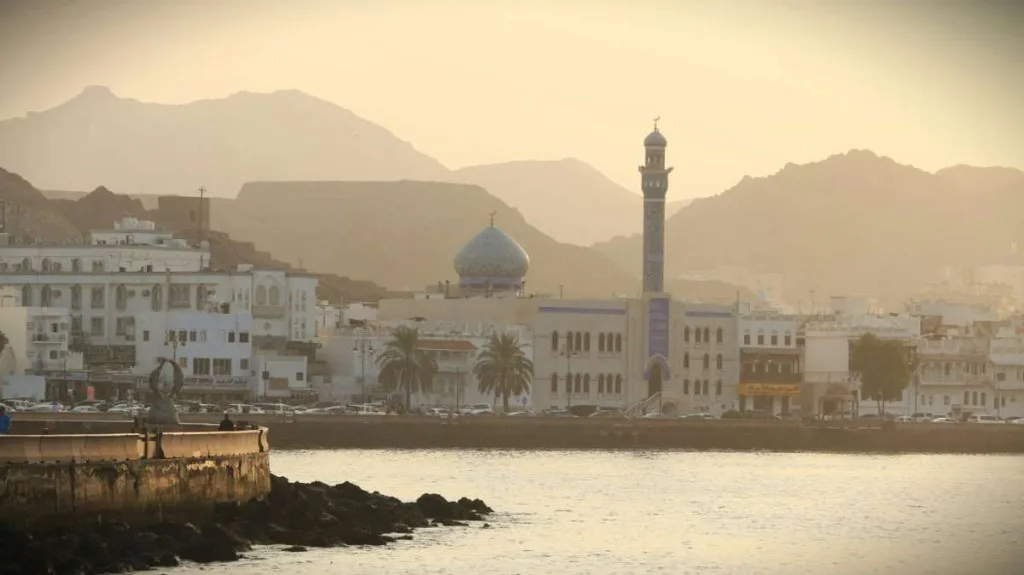
Frankincense resin arrives at Muscat's souks at dawn, still warm from the Dhofar highlands. A single kilogram of premium frankincense costs between OMR 15–20 at source, yet the cultural weight it carries—and the coffee rituals that accompany it—cannot be priced. This guide shows how to weave Oman's coffee and frankincense heritage into a 3-, 5-, or 7-day itinerary from Muscat without sacrificing logistics, budget, or authenticity.
Why Coffee & Frankincense Matter in Oman Travel Planning
Most visitors arrive in Muscat expecting mountains, wadis, and desert camps. Few understand that coffee and frankincense form the cultural spine of Oman's identity—and their sourcing, trade routes, and ceremonial use dictate where you should travel and when.
Frankincense is not a souvenir to buy at the airport. Real frankincense sourcing connects you to Salalah (in the Dhofar region), to high-altitude valleys where Boswellia sacra trees grow, and to centuries of Omani trade networks. Coffee culture, meanwhile, roots itself in Muscat's old quarters and rural hospitality—served in hand-thrown cups without sugar, often paired with dates.
From a logistics perspective:
- Muscat-based tours (half-day or full-day) access souks, museums, and coffee houses without long transfers.
- Interior routes (Nizwa, Jebel Akhdar, Jebel Shams) pass through frankincense-trading towns and mountain villages where coffee ceremonies remain daily ritual.
- Salalah trips (5+ days recommended) lead directly to Frankincense Land National Park and khareef-season harvesting.
The insight: integrate these cultural anchors into your itinerary, and every day becomes an anthropological journey, not just a scenic tick-box.
3-Day Muscat & Interior Gateway: Coffee Culture + Frankincense Intro
Best for: Business travelers, short-stay visitors, GCC residents.
Transport & Tour Cost Estimate: OMR 115–299 (depending on package vs. à la carte).
Day 1 – Muscat Souks & Coffee Heritage
Arrive at Muscat International Airport. Book a standard sedan airport transfer (OMR 18 / USD 47) to your hotel. After check-in, take the Muscat City Half-Day tour (OMR 45 / USD 45) in the late afternoon. This 3–4 hour route covers:
- Al Baleed Souq (Old Muscat)—where frankincense stalls line narrow alleys, and shopkeepers will explain grades, origins, and prices.
- Muttrah Souq—the busier, more tourist-friendly market; coffee vendors here sell roasted beans in burlap sacks.
- Oman Museum or Sultan Qaboos Grand Mosque (exterior)—contextual architecture for understanding Omani trade history.
Cultural touchpoint: Watch locals buy frankincense by weight at the counter. Ask your guide to translate the haggling. Prices for medium-grade frankincense range from OMR 15–20 per kilogram; premium grades (higher resin, older trees) fetch OMR 25–40. A handful (50g) costs OMR 1–2 and lasts 2–3 weeks in a brass burner.
Day 2 – Nizwa Day Trip: Frankincense Trading Hub
Book the Nizwa Day Trip (OMR 69 / USD 69). This 8–10 hour excursion departs Muscat at 7:00 AM and includes:
- Nizwa Fort—16th-century stronghold overlooking the frankincense and date-trading routes.
- Nizwa Souq—livestock market in the morning, but by 10:00 AM it morphs into a frankincense and spice bazaar where traders from Salalah sell directly.
- Falaj Daris (irrigation channel tour)—UNESCO heritage site showing how mountain communities sustained agriculture and trade.
Coffee ceremony integration: Your guide will arrange a stop at a traditional Omani home or guesthouse where you'll witness (and participate in) the preparation of qahwah—bitter Arabic coffee served in tiny, handleless cups. The ritual: cardamom is crushed, coffee beans roasted in a long-handled pan over charcoal, then ground and brewed in a dallah (traditional pot). Three cups are offered; accepting all three is polite. This ceremony costs nothing if hosted privately; if at a café, expect OMR 1–3 per person.
Day 3 – Jebel Akhdar or Return & Souk Consolidation
Option A: Book the Jebel Akhdar Day Trip (OMR 119 / USD 119). This mountain route reaches 2,000m elevation and passes through rose-growing villages (related to frankincense trade—both are luxury goods). Return to Muscat by evening.
Option B: Spend a half-day with a private driver (OMR 55 / USD 143 for 4 hours) revisiting souks to purchase frankincense, coffee, and crafts. A sedan driver (OMR 55 half-day) allows you to stop at multiple vendors, negotiate, and ask detailed questions without time pressure.
3-Day Budget Summary:
| Item | Cost (OMR) | Cost (USD) |
| Airport Transfer (Sedan) | 18 | 47 |
| Muscat City Half-Day | 45 | 45 |
| Nizwa Day Trip | 69 | 69 |
| Jebel Akhdar Day Trip OR Half-Day Driver | 119–55 | 119–143 |
| Meals (3 days, mid-range) | 105 (OMR 35/day) | 105 |
| Frankincense/Coffee Purchases | 20–50 | 20–50 |
| Total (approx.) | 376–406 | 401–478 |
5-Day Itinerary: Deep Dive into Coffee Routes & Frankincense Origins
Best for: European holiday-makers, culture-focused travelers, photographers.
Tour Package Option: Oman 5-Day Itinerary (OMR 799 / USD 799–1499, all-inclusive).
À la Carte Build: OMR 220–350 (custom).
A 5-day structure allows you to combine Muscat's coffee houses, interior frankincense-trading towns, and a taste of Salalah's khareef season (June–September) or Frankincense Land.
Day 1: Muscat Coffee & Souks (as above)
Muscat City Half-Day (OMR 45 / USD 45). Focus on coffee houses in Al Baleed: sit in a traditional café, order qahwah, and observe how locals greet each other with the beverage. Ask about coffee suppliers—many import from Ethiopia, but roasting happens in Oman.
Day 2: Nizwa & Interior Plateau (Full Day)
Nizwa Day Trip (OMR 69 / USD 69). Add a private driver upgrade (half-day, OMR 55 / USD 143) afterward to reach Birkat Al Mouz, a nearby village famous for pottery and traditional coffee mills. Here, you'll see antique brass coffee grinders and learn how frankincense and coffee were ground together in ceremonial contexts.
Day 3: Jebel Akhdar & Rose/Frankincense Connection
Jebel Akhdar Day Trip (OMR 119 / USD 119). At 2,000m elevation, villages grow pomegranates, walnuts, and roses. The connection to frankincense: both are high-value, low-volume trade goods historically managed by the same merchant families. Your guide will show you terraced orchards and explain how trade wealth funded these settlements.
Optional: Book a private driver for a half-day (OMR 55 / USD 143) to explore a family-run rose-water distillery. Some still use frankincense smoke in the drying process.
Day 4: Wahiba Sands or Wadi Shab (Choose Based on Coffee/Frankincense Context)
If interior logistics matter more: Wadi Shab Day Trip (from OMR 60 / about USD 156). On the return to Muscat, stop in Sur—a historic port town where frankincense was loaded onto dhow boats for Arab, Persian, and Indian markets. Visit Sur's Maritime Museum or a local café for sunset coffee.
If you want a sensory immersion: Wahiba Sands Day Trip (OMR 129 / USD 129). Camp overnight in a Bedouin-style tent, where guides prepare traditional coffee over an open fire and explain desert trade routes where frankincense caravans once passed.
Day 5: Salalah Khareef or Extended Muscat + Shopping
Option A – Quick Salalah: Salalah City Half-Day (OMR 65 / USD 65). Covers the waterfront, Frankincense Park entry (included), and local souks. Caveat: Khareef season (June–September) offers monsoon greenery and fresh frankincense; off-season offers clearer logistics but less visual impact.
Option B – Return to Muscat, Extended Souk Time: Book a private sedan driver for a full day (OMR 75 / USD 195). Dedicate morning to Al Baleed and Muttrah; afternoon to:
- Oman Heritage Gallery—exhibits on coffee and frankincense trade.
- Local spice merchants—many sell frankincense alongside cumin, turmeric, and cardamom.
- Negotiated bulk purchases—if you're buying 500g+ of frankincense, prices drop to OMR 12–15/kg.
5-Day Budget Summary (À la Carte):
| Item | Cost (OMR) | Cost (USD) |
| Airport Transfer | 18 | 47 |
| Muscat City Half-Day | 45 | 45 |
| Nizwa Day Trip | 69 | 69 |
| Half-Day Driver (Birkat Al Mouz add-on) | 55 | 143 |
| Jebel Akhdar Day Trip | 119 | 119 |
| Wadi Shab or Wahiba Sands | 89–129 | 89–129 |
| Salalah City Half-Day or Full-Day Driver (Muscat) | 65–75 | 65–195 |
| Meals (5 days) | 175 | 175 |
| Frankincense/Coffee/Crafts | 50–100 | 50–100 |
| Total (approx.) | 685–865 | 752–1047 |
Or book the inclusive Oman 5-Day Itinerary (OMR 799 / USD 799–1499) to bundle transport, lodging, and guides into one price.
7-Day Extended Route: Muscat → Salalah → Frankincense Heartland
Best for: Serious cultural explorers, luxury travelers, photographers planning book projects.
Package Option: Oman 7-Day Private Tour (USD 1170 / AED 4500) or Oman 7-Day Package (OMR 320 / USD 832).
A 7-day arc allows Muscat-based coffee immersion, interior frankincense-trade routes, and 2–3 days in Salalah's Dhofar region—where frankincense trees grow and the khare
Frequently Asked Questions
What is Omani coffee?
Omani coffee (qahwa) is made with lightly roasted beans, cardamom, saffron, and rosewater. It is pale yellow to light brown, unsweetened, and served in small handleless cups. Traditionally offered with dates as a sign of hospitality.
Where can I try Omani coffee?
Omani coffee is served at most traditional restaurants, souqs, and many hotel lobbies. Mutrah Souq has several coffee vendors. The experience is most authentic when offered by a local host or guide.
What is frankincense and where can I buy it in Oman?
Frankincense (luban) is a tree resin burned as incense throughout Oman. Salalah in southern Oman is the world's most significant frankincense production region. In Muscat, the Mutrah Souq has a large selection of frankincense and oud from OMR 2 per bag.
Can I take frankincense home from Oman?
Yes — frankincense is legal to take home in personal quantities. It is widely available in Muscat Duty Free as well as Mutrah Souq. Declare it if asked at customs in your home country as it is a natural resin.
Is frankincense from Oman different from other frankincense?
Yes — Omani frankincense (particularly Hojari frankincense from the Dhofar region) is considered the highest grade in the world. It burns cleaner and smells more complex than lower-grade varieties from other regions.
What is the best frankincense to buy in Oman?
Hojari (also spelled Hougari) is the premium grade — pale green, high resin content, clearest burn. Royal Hojari is the most expensive. For a gift, buy pre-packaged Hojari from a reputable souq vendor in Muscat or Salalah.
📱 Book Your Tour Online
Get instant confirmation — WhatsApp reply in 15 minutes