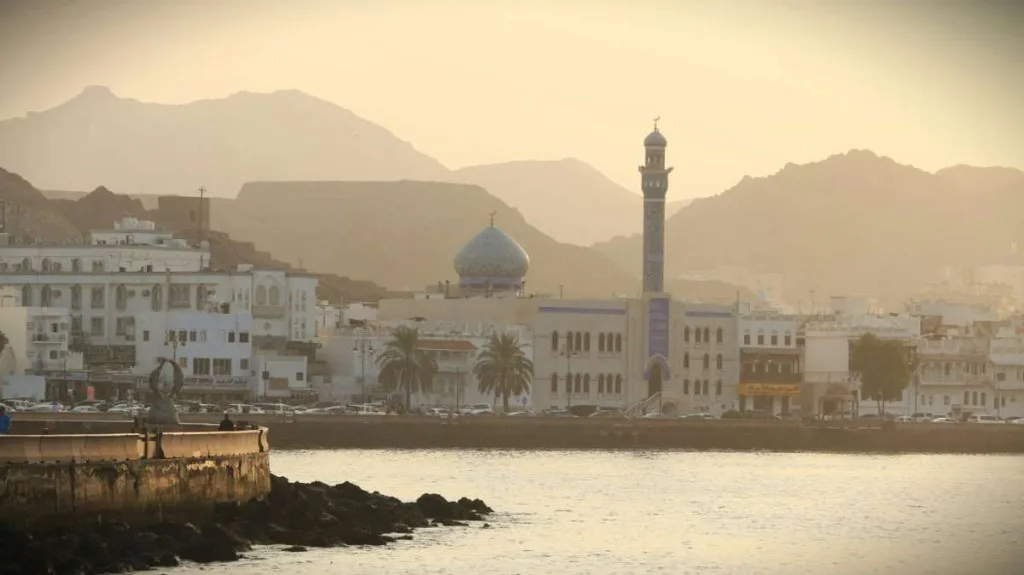
The Hatta–Muscat crossing is 240 km of open highway through the UAE–Oman border, and your choice of transport directly affects cost, stress, and border clearance speed. A private transfer from Hatta to Muscat runs OMR 120 (USD 310 / AED 1140) for a sedan and takes 3.5–4 hours door-to-door. Self-driving your rental car cuts the per-person cost but demands navigation confidence, fuel cost planning (expect OMR 40 per day), and knowledge of border protocols that catch unprepared travelers off guard. This guide compares all four practical routes—private transfer, self-drive rental, shared taxi, and the lesser-known Al Ain alternative—so you choose the option that matches your budget, timeline, and comfort level.
Private Transfer vs Self-Drive vs Shared Taxi: Side-by-Side Comparison
The fastest, most direct comparison is a simple table. Each method has distinct trade-offs in price, control, and hassle. Use this to identify which aligns with your travel style.
| Transport Method | Cost (Sedan/Standard) | Travel Time | Border Ease | Best For |
|---|---|---|---|---|
| Private Transfer (Sedan) | OMR 120 / USD 310 / AED 1140 | 3.5–4 hours | Very High — Driver knows protocols | First-timers, families, luggage-heavy travelers |
| Private Transfer (SUV) | OMR 150 / USD 390 / AED 1430 | 3.5–4 hours | Very High — Driver knows protocols | Groups, comfort priority, rough terrain visits |
| Self-Drive Rental Car | AED 150–250/day + fuel (OMR 40/day) | 4–5 hours (navigation delays) | Medium — You handle docs; border wait common | Budget travelers, multi-stop itineraries, experienced drivers |
| Shared Taxi / Minibus | AED 60–100 per person | 5–6 hours (stops, passenger changes) | Low — Driver may lack experience; crowded | Solo budget backpackers, social travelers, no luggage |
| Al Ain Alternative Route (via Mezyad) | Similar to self-drive + scenic detour | 5–6 hours (longer route) | Medium — Quieter border, less congestion | Travelers with time, landscape photographers, low-stress preference |
Private Transfer: Why Cost More When You Get Peace of Mind?
A private transfer at OMR 120 (USD 310) for a sedan from Hatta to Muscat is not a luxury upgrade—it's an insurance policy against avoidable friction at the border and on unfamiliar highway.
The Real Advantages
- Border Clearance Without Guesswork: Your driver has crossed 100+ times. He knows which lane moves fastest, how long document checks take, and whether additional Oman arrival forms are required. A confused self-driver spends 30–45 minutes in paperwork limbo.
- No Navigation Stress: The Hatta–Muscat highway is straightforward, but Muscat city navigation—especially at night—defeats unfamiliar drivers. Our transfer includes drop-off at your hotel or residence; no GPS U-turns in tight medinas.
- Fuel, Tolls, Parking Included: The OMR 120 price is all-in. Self-drivers overlook that Oman toll gates (Saada–Muscat corridor) cost extra, and overnight parking in Muscat city averages OMR 25. These stack up fast.
- SUV Upgrade for Mountain Detours: If your itinerary includes Jebel Shams or a wadis adventure after Muscat arrival, an SUV transfer (OMR 150 / USD 390) is justified. Self-drivers often regret renting a sedan, then paying 2× to upgrade.
When Private Transfer Saves Money (Not Just Time)
For families of 3–4, divide OMR 120 by headcount: OMR 30–40 per person. A shared taxi costs AED 60–100 per person (roughly OMR 15–26 if booked locally). The gap narrows. But add the psychological cost of a 6-hour minibus with two stops and potential overstay at the border, and the OMR 120 private sedan becomes the rational choice.
European visitors (arriving on Lufthansa, BA, or KLM) especially benefit: your UK or German driving license is valid in Oman, but 3–4 hours of unfamiliar left-side traffic, Arabic signage, and one-lane overtakes in the Hajjar foothills is not a relaxing start to your Oman trip. The OMR 120 private transfer preserves energy for Muscat's old town and souks.
Self-Drive Rental: Cost Breakdown and Hidden Traps
A self-drive rental from Hatta or Dubai to Muscat looks cheaper on paper. Expect AED 150–250 per day for a compact sedan from Hertz or Budget. Add fuel (OMR 40 daily average, roughly AED 80), and you're at AED 230–330 per day. Sounds better than OMR 120 ($310) if you're solo—until border delays and navigation extend your 4-hour journey to 5.5 hours.
Hidden Costs That Mount Up
- Oman Toll/Border Levy: Contact us for a quote on precise Saada checkpoint fees; expect AED 20–40 depending on vehicle class.
- Overnight Parking in Muscat City: OMR 25 minimum (Al Alam Palace area, Sheikh Zayed Street). Public lots cheaper, but unsafe after dark for solo travelers.
- Wrong Turn in Muscat Medina: GPS glitches in tight souks; you'll burn an extra 20–30 min and OMR 5–10 in retraced fuel.
- Border Wait Extensions (Peak Hours): Friday–Sunday 2–5 p.m., the Hatta crossing gets congested. Self-drivers average +30 min; private drivers know back-lane timing.
- Fuel Tank Return Penalty: Many rental agencies charge AED 50–100 if you return without a full tank. Always refuel in Hatta or Al Ain before the border, not after; Muscat petrol stations are sparse near the rental return depot.
When Self-Drive Makes Sense
If you're **staying 5+ days in Oman** and plan multiple day trips (Nizwa, Wadi Shab, Jebel Akhdar), renting a car is cheaper overall than booking tours + transfers combined. A 5-day rental at AED 200/day = AED 1000. A private full-day driver is OMR 75 (USD 195); multiply by 5 days = OMR 375 (USD 972). The rental wins if you self-navigate. But pair your rental with a **half-day private driver (OMR 55 / USD 143) on arrival day** just for border crossing and Muscat hotel drop-off. Your stress drops 80%, and you've still saved money.
Shared Taxi / Minibus: Authentic but Chaotic for First-Timers
Jumping into a shared minibus (abu dhabi service, as locals call them) is the cheapest route: AED 60–100 per seat, roughly OMR 15–26. Journey time is 5–6 hours because the van stops in Liwa, picks up 2–3 more passengers, and doesn't leave until full. Border waits are unpredictable; I've seen solo travelers stuck for 90 minutes while the driver handles paperwork for everyone's passports.
Pros
- Truly low cost; authentic Gulf transport culture.
- You meet locals and backpackers; good for solo travelers seeking connection.
- No driving fatigue or navigation.
Cons
- No luggage guarantee; backpacks get crushed under roof racks.
- Air conditioning is hit-or-miss; drivers run it cold or off entirely to save fuel.
- No fixed schedule; "leaving at 2 p.m." means 2:45 p.m. once seats fill.
- Border protocols unknown to the driver; you're responsible for your own documents.
- No hotel drop-off; you exit at a central "station" (often a petrol station or shabby lot) and find a local taxi onward—adding AED 20–30 and 20 min.
Verdict: Shared minibus is a rite of passage for backpackers but not recommended if you have checked luggage, business meetings on a fixed schedule, or are over 60. European visitors on 2-week leisure trips sometimes enjoy it; business travelers should book the private transfer.
The Al Ain Alternative Route: Quieter Border, Longer Drive
Instead of Hatta → Muscat (the direct E11 highway), some travelers take Hatta → Al Ain → Mezyad border crossing → Muscat. This adds 1–1.5 hours but avoids the Hatta peak-hour crush.
Route Details
- Distance: ~320 km (vs. 240 km direct Hatta–Muscat).
- Time: 5–6 hours vs. 4 hours direct.
- Border: Mezyad is less busy; expect 20–30 min clear vs. 45+ min at Hatta.
- Self-Drive Fuel: OMR 40–50 (longer distance).
- Private Transfer: Contact us for a quote on the Al Ain–Muscat extended route; likely OMR 135–150.
When This Route Wins
You're traveling Friday–Sunday (peak Hatta traffic) and have flexibility. The quieter Mezyad crossing and scenic Al Ain–Muscat road (via Ibri) offer landscape relief. Photographers shooting desert edges and date palms prefer this route. For pure speed or tight schedules, stick to Hatta.
Border Crossing Tips: What No Travel Blog Mentions
Document Checklist (Driver's Responsibility or Yours?)
- Your Passport + Oman Visa (if required): EU/UK visitors get visa on arrival (free, 30 days). Have your passport accessible—not in checked luggage.
- Vehicle Documents (if self-driving): Rental agreement, UAE registration, insurance card. Border agents will ask for all three. Keep originals in a folder, not scattered.
- Green Card (International Insurance): Most rental agencies provide this. Keep a photocopy in your phone and physical copy in the glovebox.
- Oman Arrival Declaration Form: Our driver provides these; self-drivers must ask at the booth. It takes 2 minutes to fill.
Timing Hacks
- Avoid Friday 2–5 p.m. and Saturday Morning: GCC residents cross for weekend getaways. Sunday–Thursday, 8–11 a.m. is swift.
- Sunrise Departure (7–8 a.m.): Cross before breakfast rush. Many Oman business travelers wait until 9–10 a.m.
- Don't Stop at the Al Ain–Hatta Petrol Station: It's congested.
Frequently Asked Questions
Is the Hatta border crossing open 24 hours?
Yes — the Hatta border crossing (Al Wajajah on the Oman side) operates 24 hours every day including weekends and public holidays.
How long does the Hatta border crossing take?
20–40 minutes in normal conditions. On Fridays, UAE public holidays, and Eid periods allow 1–2 hours as traffic increases significantly.
Do I need a visa for Oman at the Hatta border?
Most Western passport holders receive Oman visa on arrival at the Hatta border for OMR 5 (~$13 USD). No pre-application required. Indian nationals need an e-Visa arranged before travel.
What documents do I need at the Hatta border?
A valid passport with minimum 6 months validity. Your driver handles all vehicle documentation. No additional documents are required for most Western passport holders.
Can I cross the Hatta border by private car?
Yes — private cars cross at Hatta regularly. Your driver stops at the UAE exit, proceeds to the Oman entry point, and handles the paperwork at both stops. Most Western visitors do not need to leave the car.
What is the Hatta border crossing like at night?
The crossing operates normally at night and is often less busy than during peak daytime hours. Friday nights and the evenings before UAE public holidays are the busiest periods.
📱 Book Your Tour Online
Get instant confirmation — WhatsApp reply in 15 minutes