The Quick Answer
A 3-day Oman itinerary covering Muscat, Nizwa, and Salalah is ambitious — Salalah is 1,000 kilometres from Muscat and requires a 1-hour flight. Most visitors split this into Day 1-2 in Muscat and Nizwa by car, then fly to Salalah for Day 3. Private driver for Muscat and Nizwa costs from OMR 60 per vehicle per day. Salalah is best visited July to September (Khareef season) or October to May.

Oman is one of the Middle East's most enchanting destinations, offering a perfect blend of ancient culture, dramatic landscapes, and modern comfort. A 3-day itinerary covering Muscat, Nizwa, and Salalah allows you to experience the very best of this Arabian gem—from historic forts and traditional souks to pristine beaches and misty mountains. Whether you're a European tourist, GCC visitor, or luxury traveler, this comprehensive guide will help you plan an unforgettable journey.
Package rate (2026): OMR 115 / USD 299 per private vehicle.
Complete Oman 3 Day Itinerary Overview: Muscat to Nizwa to Salalah
Planning a 3-day tour across Oman requires careful timing and reliable transportation. The classic route—Muscat, Nizwa, and Salalah—covers approximately 600 kilometers and takes you through three distinct regions, each with its own character and attractions. Muscat, the capital, showcases Oman's modern face with pristine beaches and architectural marvels. Nizwa, nestled in the interior, represents the heart of traditional Oman with its famous souk and mountain backdrop. Salalah, located on the southern coast, offers a completely different landscape with its lush greenery and unique monsoon season.
The beauty of this itinerary is its diversity. You'll witness the contrast between contemporary coastal cities and ancient mountain towns, experience Omani hospitality in traditional settings, and enjoy world-class accommodations and services. For travelers seeking to maximize their time in Oman, this 3-day route is ideal because it avoids excessive driving while hitting all the major highlights.
One crucial element to ensure a smooth journey is reliable ground transportation. Many visitors make the mistake of hiring standard taxis or attempting to self-drive, which can lead to stress and missed experiences. Instead, booking a private chauffeur with an English-speaking driver allows you to relax, take in the scenery, and ask questions about the culture and history. We provide professional Mercedes vehicles with experienced drivers who know every route intimately, offering fixed rates that protect your budget from surprise charges.
Day 1 in Muscat: Exploring Oman's Capital and Coastal Jewels
Your 3-day Oman journey begins in Muscat, the elegant capital city that seamlessly blends traditional Islamic architecture with contemporary development. After arriving at Muscat airport transfer, your English-speaking chauffeur will be waiting to welcome you with a personalized greeting. Our airport transfer service ensures you start your trip stress-free, with climate-controlled Mercedes comfort and fixed rates quoted in advance.
Begin your first morning with a visit to the magnificent Sultan Qaboos Grand Mosque, one of the largest mosques in the world and a masterpiece of Islamic architecture. The main prayer hall features a breathtaking crystal chandelier, hand-knotted carpets, and intricate marble work. Non-Muslim visitors are welcome at designated times (typically mornings except Fridays), and the serene atmosphere provides immediate cultural immersion. Your driver can advise on the best visiting hours and handle parking while you explore.
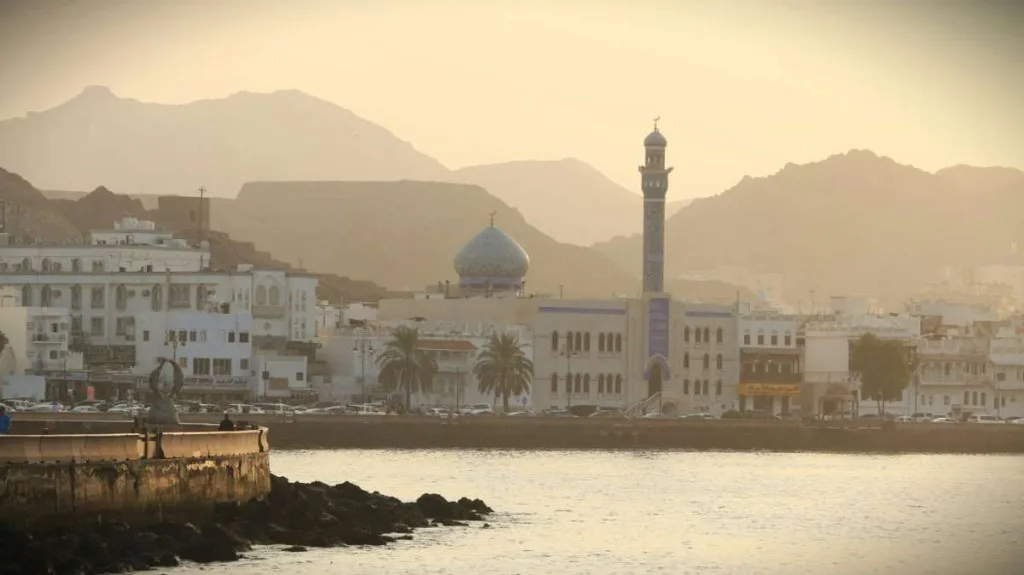
Next, head to the historic Al Alam Palace, the official residence of the Sultan, located in the heart of old Muscat. While the palace itself is not open to the public, the white and blue exterior, combined with the surrounding fortress walls and the dramatic Hajar Mountains in the background, creates perfect photo opportunities. The adjacent waterfront is ideal for a leisurely walk where you can observe traditional dhow boats and soak in authentic Omani atmosphere.
A must-visit for culture enthusiasts is the Muscat Museum, which showcases Omani heritage from pre-Islamic times to the present day. Artifacts, traditional costumes, and historical documents tell the story of Oman's maritime trade routes and cultural significance. This visit provides excellent context for understanding the places you'll visit in Nizwa and Salalah later in your journey.
For lunch, your chauffeur can guide you to authentic Omani restaurants or upscale dining establishments depending on your preference. Try traditional dishes like majboos (spiced rice with meat) or shuwa (slow-cooked meat wrapped in banana leaves), which are quintessential Omani cuisine.
Spend your afternoon at the famous Mutrah Souk, one of the oldest and most atmospheric markets in the Middle East. This labyrinthine bazaar is packed with vendor stalls selling frankincense, traditional clothing, handicrafts, spices, and jewelry. The narrow lanes, colorful textiles, and the aroma of exotic spices create an immersive sensory experience. Your private driver will know the best places to park and the safest routes through the souk, allowing you to shop without distraction.
As evening approaches, visit Mutrah Corniche for a stunning sunset view over the Arabian Sea. The waterfront promenade is perfect for a relaxing stroll, with cafes offering traditional coffee and authentic Omani hospitality. End your first day with dinner at one of Muscat's excellent seafood restaurants, enjoying fresh catch prepared with local spices.
Day 2: Nizwa Adventure and Mountain Landscapes in the Interior
Your second day takes you inland to Nizwa, approximately 170 kilometers from Muscat, a journey of about 2.5 to 3 hours by road. Your English-speaking driver will handle all navigation while you enjoy the spectacular transition from coastal plains to rugged mountain terrain. This drive itself is a highlight, as you'll witness Oman's dramatic geographical changes and traditional villages nestled in wadis.
Nizwa holds special significance in Omani history as the cultural and intellectual heart of the country. Upon arrival, visit the iconic Nizwa Fort, an impressive cylindrical structure built in the 17th century. The fort's architecture is a testament to Omani military engineering, with thick walls, narrow passages, and strategic lookout points. Inside, you'll find a museum displaying traditional weapons, manuscripts, and cultural artifacts. The views from the fort's upper levels provide panoramic vistas of Nizwa town and the surrounding Hajar Mountains.
The Nizwa Souk is your next destination and deserves several hours of exploration. Unlike the tourist-oriented Mutrath Souk in Muscat, Nizwa's marketplace remains authentically local, where Omani residents shop daily for livestock, produce, and traditional goods. Friday mornings are particularly lively when the famous livestock auction attracts traders from across the region. You'll see goats, sheep, and cattle being sold in a centuries-old trading tradition that continues unchanged. Even if you're not interested in purchasing animals, the energy and cultural authenticity are unmatched.
Nizwa is also renowned as the frankincense capital of Oman. This precious resin, traded for thousands of years along the Arabian Peninsula, holds deep cultural and religious significance. Visit traditional frankincense shops where merchants can explain the different grades and origins of this valuable commodity. The aroma of frankincense burning in shops and homes throughout Nizwa is distinctive and memorable.
For a more adventurous experience, consider visiting Jebel Shams (the Mountain of the Sun), Oman's highest peak at 3,009 meters. Located about 60 kilometers from Nizwa, this mountain offers some of the most spectacular scenery in Oman, including the famous Wadi Ghul, often called the "Grand Canyon of Arabia." A private driver service is essential for navigating the mountain roads safely, particularly the winding ascent. At the summit, you can hike along the rim, spotting traditional mountain villages in the valleys below. The panoramic views at sunset are absolutely breathtaking and worth the additional time in your itinerary if you have flexibility.
Alternative to Jebel Shams, many visitors opt for a scenic drive through the Saiq Plateau, visiting traditional villages like Al Aqr and Bilad Sayt where time seems to have stopped. The plateau's altitude (approximately 1,700 meters) provides cool mountain air and terraced agricultural terraces showcasing ancient Omani farming methods.
Spend the night in Nizwa at one of the heritage hotels that offer authentic Omani hospitality combined with modern comfort. These accommodations often feature traditional architecture, rooftop dining, and knowledgeable staff who share local stories and recommendations. Your driver can assist with check-in and provide recommendations for evening dining based on your preferences.
Day 3: The Journey to Salalah and Southern Oman's Unique Climate and Culture
Your final day involves the longest drive of the itinerary—from Nizwa to Salalah, approximately 330 kilometers, requiring 5 to 6 hours of travel. While this might seem like a long journey, your private Mercedes vehicle with a professional English-speaking chauffeur transforms it into a comfortable and engaging experience. You can rest, enjoy refreshments, and ask your driver about the changing landscapes as you travel south toward Salalah's unique monsoon climate region.
The drive south from Nizwa transitions through different terrain types—from mountains to plains, eventually reaching Salalah's distinctive vegetation. Unlike the arid regions you've traveled through, Salalah's climate is dramatically different, especially if you're visiting during the khareef (monsoon) season from June to September, when the entire region transforms into a lush, green paradise. The monsoon brings moisture-laden winds, mist, and rain that create an almost tropical environment unique to this part of Oman and rarely seen elsewhere in the Arabian Peninsula.
Upon arrival in Salalah, head directly to the stunning Mughsayl Beach, one of Oman's most beautiful coastal areas. The sandy expanse meets dramatic limestone cliffs, and blowholes along the shore create spectacular water geysers when the sea conditions are right. The beach is perfect for swimming (if monsoon season), photography, or simply relaxing and appreciating the raw natural beauty. Your chauffeur can point out the best vantage points and advise on safety considerations regarding the powerful waves during monsoon season.
Explore the Salalah Museum to understand the region's unique role in Omani history. Salalah was the center of the frankincense trade and served as a crucial port for ancient maritime commerce. The museum houses artifacts from this golden era, including ancient coins, pottery, and documentation of the region's economic significance along the Silk Road.
Visit Al Baleed Archaeological Park, a UNESCO World Heritage Site featuring ruins of the medieval port city of Al Baleed. Walking through the excavated remains of mosques, houses, and fortifications provides a tangible connection to Oman's maritime past. The park includes an excellent museum where artifacts are displayed in context, explaining the site's historical importance.
Nature lovers should not miss the Wadi Darbat, one of the largest and most spectacular wadis in Oman. During monsoon season, the wadi flows with cascading waterfalls and creates pools perfect for swimming. Even outside monsoon season, the wadi's lush vegetation and cool microclimate offer respite from the heat. Your driver can navigate the roads to reach the best viewpoints and swimming spots safely.
Salalah's modern souk is smaller than Nizwa's but offers unique local products, especially frankincense, myrrh, and local honey. The souk atmosphere is more relaxed, allowing for unhurried shopping and conversations with local vendors who are happy to share stories about their products and the region.
If you have energy remaining, visit the Tomb of the Prophet Job (Nabi Ayoub), a holy site located in the mountains above Salalah. Muslims and non-Muslims alike visit this peaceful location for its spiritual significance and beautiful surrounding views. The site is marked by a simple white structure and offers a meditative atmosphere.
Your final evening in Salalah should include dinner at a beachfront restaurant, enjoying fresh seafood while watching the sunset over the Arabian Sea. Salalah's coastal beauty, combined with its unique climate and cultural heritage, provides a perfect conclusion to your 3-day Oman journey.
Practical Tips for Your Oman 3-Day Itinerary with Private Chauffeur Service
Successfully executing this 3-day itinerary requires attention to several practical considerations. First, regarding transportation: while it's theoretically possible to rent a car and self-drive, we strongly recommend hiring a professional chauffeur service. The roads in Oman are generally well-maintained, but mountain roads have hairpin turns and limited signage. More importantly, a local English-speaking driver provides invaluable cultural insights, knows the best times to visit attractions to avoid crowds, understands local customs, and can communicate with locals on your behalf.
Our Mercedes vehicles are equipped with air conditioning essential for the hot Omani climate, comfortable seating for long drives, and reliability you can depend on. We provide fixed rates upfront, eliminating the uncertainty of metered taxis or haggled prices. Our drivers are fluent English speakers trained in customer service, not just navigation. They function as informal tour guides, cultural ambassadors, and local experts who enhance your experience significantly.
Regarding accommodation, book in advance, especially during peak season (October to April). Muscat offers numerous luxury options including five-star international chains and boutique hotels. Nizwa has charming heritage hotels that provide authentic experiences. Salalah ranges from beach resorts to heritage properties. Your private chauffeur can provide recommendations based on your preferences and budget.
Timing is crucial for monsoon season (June to September) if you're visiting Salalah. The khareef season transforms the region but also brings heavy crowds of tourists seeking relief from interior heat. If you visit during this period, book accommodations well in advance. Outside monsoon season, Salalah is hotter and drier but less crowded. Plan your visit based on whether you prefer the unique green landscape and moderate temperatures of monsoon season or the typical hot, sunny climate of other months.
Dress modestly throughout your journey, particularly when visiting mosques, souks, and cultural sites. While Oman is relatively relaxed compared to other Gulf countries, showing respect for local culture is essential. Women should carry scarves for mosque visits. Both men and women should wear clothing that covers shoulders and knees in public areas.
Money considerations: Oman uses the Omani Rial (OMR). Major credit cards are accepted in larger establishments, but cash is essential for souks, small restaurants, and tips. ATMs are available in all major cities. Many tourists budget approximately USD 299-150 USD per day for food and activities, depending on accommodation choices.
Photography: Oman is extraordinarily photogenic, but always ask permission before photographing local people, particularly in souks and traditional villages. In mosques, photography may be restricted in certain areas. Your driver can advise on appropriate photography etiquette.
Frequently Asked Questions
Is 3 days enough time to visit Muscat, Nizwa, and Salalah?
Three days is the minimum time needed to visit all three destinations and experience their highlights without excessive rushing. You'll have approximately one full day in Muscat, one in Nizwa, and partial days traveling to and within Salalah. While 4-5 days would allow more leisurely exploration and optional activities like Jebel Shams or wadi trekking, the 3-day itinerary hits all major attractions. The key is having a private chauffeur to maximize travel efficiency and minimize time spent on navigation and logistics.
What's the best time of year to visit Oman for this itinerary?
October to April is peak season with pleasant temperatures (20-30°C) and minimal rainfall. December to February is the coolest and busiest period. If you want to experience Salalah's unique monsoon season with its green landscape and waterfalls, visit June to September, understanding that temperatures in the interior will be 40-45°C (104-113°F) while Salalah remains moderate at 25-28°C. May and September-October are shoulder seasons with fewer tourists and moderate weather, making them excellent value options.
Do I need an international driving permit to self-drive in Oman, and is it recommended?
Yes, visitors can self-drive with an international driving permit, passport, and valid home country license. However, we recommend hiring a private chauffeur for several reasons: road conditions on mountain routes can be challenging, navigation without GPS can be stressful, you'll miss cultural insights that a local driver provides, and a chauffeur allows you to focus on experiences rather than traffic. Our fixed-rate pricing for private drivers is often comparable to car rentals once you factor in fuel, insurance, and parking.
How do I get from Muscat to Salalah?
The fastest option is a 1-hour flight from Muscat to Salalah Airport. Oman Air and SalamAir both operate the route, with fares from OMR 30 one way. The drive takes 10 hours on Highway 31 — only practical for those doing a longer Oman road trip. For a 3-day itinerary, flying is strongly recommended.
Is 3 days enough to see Muscat, Nizwa, and Salalah?
Three days is tight but achievable with good planning. Day 1 covers Muscat city. Day 2 covers Nizwa Fort and the interior. Day 3 requires flying to Salalah — you get half a day there before returning. For a more relaxed experience, 5-7 days is recommended to fully appreciate all three destinations.
How much does a 3-day Oman itinerary cost?
A private driver for Muscat and Nizwa over 2 days costs from OMR 110 total (~6 USD) per vehicle. Flights to Salalah add OMR 30-60 per person each way. Mid-range accommodation costs OMR 30-60 per night in Muscat and OMR 25-50 in Salalah. Total budget for a couple: approximately OMR 350-500 for 3 days excluding international flights to Oman.
📱 Book Your Tour Online
Get instant confirmation — WhatsApp reply in 15 minutes