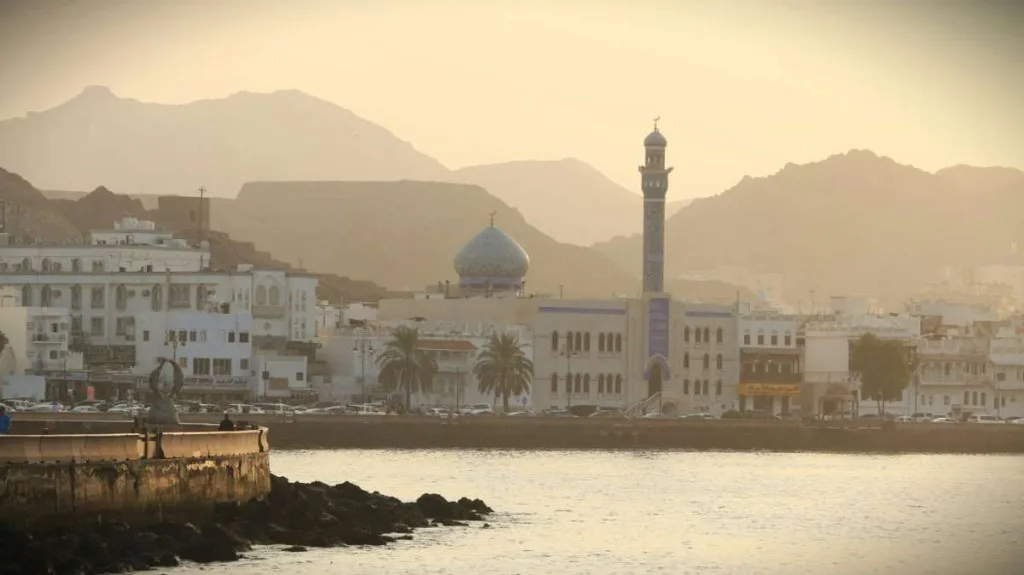
The entrance fee to Mutrah Souq is free—but your first question shouldn't be about cost; it should be about timing. Most first-time visitors arrive between 11 a.m. and 2 p.m., when the souq is at its most crowded and hot. This guide answers the anxieties that stop people from visiting: Will I get lost? How much will I actually spend? What's worth buying? And how do I get there safely? If you're arriving from Dubai or Abu Dhabi, transport costs OMR 120–150 (USD 310–390) for a sedan or SUV. Once inside, budget OMR 35–100 per meal and expect to negotiate prices on textiles, frankincense, and antiques. Read on to plan like a seasoned visitor, not a first-timer.
What Is Mutrah Souq and Why Do First-Timers Feel Nervous?
Mutrah Souq is one of the oldest trading markets in the Arab Gulf, located in the historic port district of Muscat, Oman. If you've never visited an authentic Middle Eastern souq—rather than a modern mall—the experience can feel overwhelming: narrow alleyways, vendors calling out, unfamiliar merchandise, language barriers, and haggling expectations.
First-time anxiety typically centers on four fears:
- Getting lost: The souq has no official map, and many alleyways look identical.
- Being overcharged: Tourists worry they'll pay inflated prices without knowing the real cost.
- Safety and cultural respect: Unsure whether dress code, photography, or behavior will offend locals.
- Transport logistics: How to get there, where to park, and whether hiring a driver is worth the cost.
This guide addresses each directly so you can enter Mutrah Souq with confidence, not confusion.
Getting There: Transport Options and Real Costs
Mutrah Souq is located in the Mutrah district, about 2 km from Muscat city center. If you're staying in a Muscat hotel (like Al Bustan Palace or Crowne Plaza), a taxi ride costs around OMR 8–12. If you're arriving from neighboring emirates:
- From Dubai to Muscat transfer: OMR 120 (sedan) / USD 310, OMR 150 (SUV) / USD 390, OMR 180 (luxury Mercedes) / USD 470.
- From Abu Dhabi to Muscat: OMR 110 (sedan) / USD 285.
For UK and European visitors arriving on a visa-on-arrival (30 days, free), many choose to hire a private driver for the day. A full-day sedan driver costs OMR 75 (USD 195); a half-day (typically 4 hours) costs OMR 55 (USD 143). This includes waiting time and means you won't worry about parking or navigating one-way streets around the souq.
Parking reality: Street parking near Mutrah Souq is limited and often full by 10 a.m. Paid overnight parking costs OMR 25. If hiring a driver, they'll handle this and drop you at the main entrance (near the waterfront promenade).
Recommendation: If you're staying in Muscat for 2–3 days, a half-day private driver (OMR 55 / USD 143) is worth the peace of mind. Contact us at +968 9468 1176 or [email protected] for booking.
Opening Hours, Best Time to Visit, and What You'll Actually See
Mutrah Souq operates roughly 8:30 a.m. to 1:00 p.m. and 4:00 p.m. to 9:00 p.m. daily. Some stalls close on Friday morning for prayers. A critical first-timer mistake: arriving at midday (11 a.m.–2 p.m.) when the sun is intense and the souq is packed with tour groups.
Best windows:
- 8:30 a.m.–10:00 a.m.: Quiet, vendors are restocking, prices more transparent, and lighting is sharp for photography.
- 4:30 p.m.–6:00 p.m.: Second-wind crowd; locals are shopping after work; atmosphere is authentic but not chaotic.
- 7:00 p.m.–9:00 p.m.: Souq is lit up, romantic for evening strolls, but fewer textile merchants open (they've packed for the day).
Expect to spend 90 minutes to 2 hours if you browse slowly and buy little. Allow 3 hours if you're serious about purchasing.
The souq's main sections:
- Textile alley: Hand-woven shawls, abayas, traditional dress, cotton prints.
- Frankincense corridor: Oman's most famous export—pure frankincense resin, oils, and burners (OMR 15–60 per item depending on purity and weight).
- Antique and handicraft zone: Brass vessels, old daggers (khanjars), wooden boxes, prayer beads (rosaries).
- Spice and dried goods section: Saffron, cardamom, dried limes, henna (budget OMR 5–30 per item).
- Gold jewelry alley: 22-carat gold pieces, pearls, and gemstones (prices fixed by weight; no negotiation).
What to Buy, What to Skip, and Real Pricing Expectations
First-timers often buy the wrong things—cheap souvenirs they don't use—or overpay for authentic items. Here's what's genuinely worth buying and realistic pricing:
Best Purchases (and Why)
1. Frankincense and frankincense oil (OMR 20–50): Oman produces the world's finest frankincense. Buy pure resin (not mixed with fillers) and test it by burning a small piece in the vendor's holder. Reputable sellers will offer this. Oils are ready-to-use alternatives (OMR 30–50 per 10 ml bottle). Avoid tiny souvenir vials under OMR 5; they're often synthetic.
2. Hand-woven shawls and pashminas (OMR 25–80): Look for natural wool or silk blends. Cotton blends are cheaper (OMR 12–25) and practical for warm climates. Vendors will quote high (OMR 100+); negotiate to 60–70% of the asking price.
3. Khanjars (decorative daggers, OMR 40–150): Iconic Omani weapon. Small souvenir versions (OMR 40–60) are fine for display; ornate versions with silver and precious stones cost OMR 150+. Don't buy functional blades as a tourist (customs issues).
4. Prayer beads / misbaha (OMR 15–35): Wooden, amber, or plastic beads. Genuine amber costs more (OMR 50+); wooden are affordable and beautiful.
5. Dried limes and spice blends (OMR 8–20): Perfect souvenirs that fit in luggage. Dried lime (loomi) is essential to Omani cooking and makes a fragrant tea.
Avoid (or Buy Only If You Love It)
Mass-produced abayas (OMR 10–15): Identical to those in every mall. Buy only if you want to wear one; vendors expect tourists to haggle hard, and profit margins shrink quickly.
Synthetic "Arabian oud": Real oud (agarwood oil) costs our current OMR rate (WhatsApp for quote)+. Vendors will sell OMR 50 "oud" that's synthetic. Ask for certificates of authenticity if spending over OMR 100 on perfumes.
Plastic camel figurines: Tourist trap; low quality and forgettable.
Haggling: The Real Rules
Rule 1: Haggling is expected only for textiles, antiques, and handicrafts—not gold, spices (fixed weight), or branded perfumes.
Rule 2: Open offer is often 40–50% above actual selling price for textiles. If a vendor quotes OMR 100 for a shawl, a fair offer is OMR 50–60. Settle at OMR 65–75.
Rule 3: Walk away if unsure. There are 50+ vendors selling nearly identical items. A good seller will call you back with a lower price. This is common.
Rule 4: Smile, ask questions, accept tea or coffee. Vendors respect genuine interest. If you ask "How long has your family run this stall?" or "What's the best frankincense you have?" they'll lower prices for engaged customers.
Rule 5: Never buy the first item you see. Compare three stalls before deciding. You'll learn the real market price and gain confidence.
Budget Breakdown: What a Realistic Shopping Trip Costs
Here's what first-timers actually spend (excluding transport):
- Lunch or light meal: OMR 35 (mid-range restaurant near the souq).
- 3–4 small purchases (small frankincense vial, spice, prayer beads): OMR 50–70.
- One quality purchase (shawl or khanjad): OMR 60–100.
- Drinks (coffee, juice at a vendor): OMR 3–5.
Total realistic spend: OMR 150–210 (USD 390–545) per person for a half-day, including food and 4–6 items. You can spend less (OMR 80) if you're selective, or more (OMR 400+) if buying statement pieces like a high-quality khanjad or oud.
Dress Code, Photography, and Cultural Respect
First-time anxiety about respect is real and understandable.
Dress code: Mutrah Souq is a working market, not a religious site. Wear modest clothing (shoulders and knees covered). Lightweight long sleeves and loose trousers or a maxi skirt are comfortable in Oman's heat. Women don't need to wear a headscarf unless entering a mosque. Sunglasses and a hat are practical, not disrespectful.
Photography: Always ask before photographing vendors or their stalls. Most will say yes, and some will pose. Never photograph women without consent. Photography of security features (borders, airports, military sites) is illegal. Inside the souq, you're safe to photograph merchandise, architecture, and the waterfront promenade beyond.
Language: English is widely spoken among traders and younger vendors. A few Arabic greetings ("Assalamu alaikum" = hello, "Shukran" = thank you, "Afwan" = you're welcome) will earn genuine smiles and often small discounts.
Frequently Asked Questions
How long does a visit to Mutrah Souq take for a first-timer?
Most first-timers spend 90 minutes to 2 hours if browsing casually. If you want to shop intentionally (comparing prices, negotiating on 3–4 items), allow 2.5–3 hours. Arrive early (8:30–10:00 a.m.) to beat crowds and heat. A half-day private driver costs OMR 55 (USD 143) if you want stress-free transport and time flexibility.
Is it safe to visit Mutrah Souq as a solo female traveler?
Yes. Mutrah Souq is one of Muscat's safest and most tourist-friendly markets. Women traveling alone report feeling secure, even in evening hours (7–9 p.m.). The area is policed, well-lit, and busy with local families and workers. Dress modestly (shoulders and knees covered), keep valuables secure, and trust your instincts. If uncomfortable, hire a driver or join a guided Muscat city tour (OMR 45 / USD 45 for a half-day, including souq stops).
What should I avoid buying or doing to not offend locals?
📱 Book Your Tour Online
Get instant confirmation — WhatsApp reply in 15 minutes