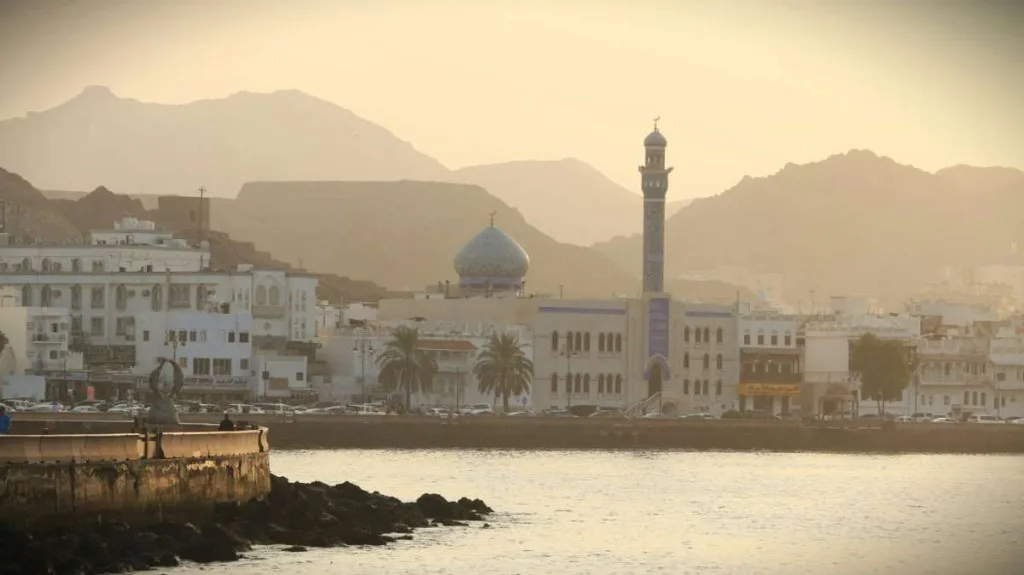
Your family's Muscat experience hinges on one decision: timing. Book in November, and you'll pay less, dodge 48°C heat, and enjoy uncrowded corniche walks. Book in July, and you'll manage Ramadan fasting schedules, shortened restaurant hours, and scorching midday temperatures that trap families indoors. This guide breaks down every seasonal variable—from khareef monsoon effects in Salalah to the Ramadan closure patterns that reshape tour logistics—so you choose the month that matches your family's pace, budget, and comfort threshold.
Why Seasonal Timing Makes or Breaks a Family Tour to Muscat
A Muscat city half-day tour costs OMR 45 (USD 45) year-round, but what you experience, how long you can comfortably stay outdoors, and whether restaurants are open during your preferred meal times varies dramatically by month. Families traveling with young children, elderly relatives, or those on tight schedules cannot treat Muscat as a one-size-fits-all destination.
Oman's tourism industry runs on four distinct seasonal windows: the golden October–April shoulder and winter season; the punishing summer heat (May–September); the monsoon khareef (June–August, concentrated in southern regions like Salalah); and Ramadan (dates shift annually, falling in 2025 between 28 February and 29 March). Each window reshapes pricing, tour availability, family-friendly hours, and logistics.
Unlike Salalah, where khareef brings dramatic green landscapes and cooler air, Muscat itself sees minimal rainfall. However, summer humidity climbs above 85%, and combined with temperatures exceeding 45°C, outdoor family activities become medically risky. Your package price may remain fixed, but hidden costs—cooling costs at hotels, bottled water consumption, shorter active hours—balloon in summer.
October to April: The Goldilocks Window for Family Bookings
October through April is objectively the best window for families. Daytime temperatures hover between 25–32°C, humidity drops below 65%, and you can plan a full Muscat city half-day tour (OMR 45 / USD 45) without scheduling around peak heat. Restaurants operate normal hours, outdoor attractions stay open until sunset, and children don't overheat during walking tours around the Grand Mosque, Mutrah Corniche, or Old Muscat.
October–November (Shoulder Season): Prices dip 10–15% compared to December–February. Hotels offer last-minute family packages, and tour operators have availability on popular routes like the Nizwa day trip (OMR 69 / USD 69), Wadi Shab (from OMR 60 / about USD 156), or combined Muscat + Nizwa itineraries. Early October still carries residual summer heat (35–38°C), but mornings are perfect for exploring the Old Town. Book 2–3 weeks ahead to secure private driver rates (OMR 75 full day sedan / USD 195).
December–February (Peak Winter): This is peak tourist season. Family groups flood Muscat, and tour packages command premium pricing. A 3-day Oman package (OMR 115 / USD 299) sells out weeks in advance. If your family prefers privacy and shorter queues, consider early December or late February. If you're booking a 5-day itinerary (OMR 220 / USD 572), reserve by October to lock in rates and secure private driver allocation (sedan full day OMR 75 / USD 195 or SUV full day OMR 90 / USD 234 for larger families).
March–April (Late Spring): Temperatures begin rising (32–38°C), but April is still comfortable for families who time outdoor activities early morning (5:00–10:00 AM) and evening (4:30 PM onwards). This window offers a sweet spot: fewer tourists than January–February, better pricing than peak season, and weather still suitable for half-day city tours or day trips to nearby wadis. Easter holidays (late March/early April) see European families (UK, Germany, France) booking last-minute; availability shrinks, so plan ahead.
May to September: Summer Heat, Ramadan Complexity, and Budget Relief
Summer (May–September) presents a paradox: Hotel rates drop 30–40%, tour operators offer discounts (a private driver half-day drops to OMR 55 / USD 143), and your family's budget stretches further. However, temperatures exceed 42°C by noon, humidity suffocates, and Ramadan (if it falls during these months) closes most restaurants during daylight and compresses tour schedules.
May–June (Pre-Monsoon Heat): Temperatures soar to 40–45°C. Families with infants, toddlers, or anyone with heat sensitivity should avoid midday outdoor activities. If you must travel in May–June, structure your family tour around early mornings (4:00–9:00 AM) and late evenings (6:00 PM–11:00 PM). The Muscat city half-day tour (OMR 45 / USD 45) becomes a dawn adventure: beat the heat, explore the Grand Mosque, visit the Sultan's Palace gardens, and return to air-conditioned comfort by 10:00 AM. Afternoon activities pivot to indoor attractions: museums, shopping malls, or hotel pools.
July–August (Peak Heat & Humidity): Temperatures peak at 47–50°C. Most tour operators cap family groups and require written heat-safety waivers. Outdoor exploration becomes medically inadvisable for young children or elderly family members. Hotel pools become social hubs rather than optional amenities. If your family is heat-averse, postpone travel to October. If you're committed to summer travel, invest in a private air-conditioned vehicle (sedan OMR 110 (~$286 USD) or SUV OMR 150 / USD 390 for Dubai–Muscat transfers; locally, OMR 75 / USD 195 full day) and cluster all outdoor activities in one early morning block, then relax indoors for the remaining hours.
Ramadan Timing (February–March 2025; shifts annually): If Ramadan overlaps your family visit, understand its logistics:
- Fasting Hours: Restaurants remain closed during daylight (roughly 5:30 AM–7:00 PM in March). Hotel restaurants serve non-fasting guests in segregated areas or room-service only. Families with young children (often exempt from fasting) can eat in rooms or international hotel buffets, but public eateries near Mutrah Corniche or Old Muscat shut down at dawn.
- Tour Availability: Half-day tours (OMR 45 / USD 45) run early morning (4:30–9:30 AM) or evening (7:30 PM–midnight). Full-day trips are cancelled or heavily modified. A Nizwa day trip (OMR 69 / USD 69) becomes a 4-hour dawn sprint rather than a leisurely 8-hour exploration.
- Pricing: Tour prices hold steady, but restaurants near tour sites charge 2–3× normal rates for evening iftar (fast-breaking) meals. Budget an extra OMR 20–30 per person for dining.
- Cultural Respect: Non-Muslim travelers may eat discreetly indoors, but public eating, drinking, or smoking during fasting hours is culturally offensive and sometimes legally restricted. Families must plan meal timing accordingly.
Khareef Season (June–August) and Its Impact on Extended Family Packages
The khareef monsoon is a Salalah phenomenon, not a Muscat concern—but it reshapes multi-destination family planning. If your family books a combined package (Muscat + Salalah 3-day itinerary at OMR 250 / USD 650), khareef season (June–August) adds a compelling layer: Salalah transforms into a lush, cool escape while Muscat bakes.
June–August Khareef Impact on Family Itineraries: Muscat city tours remain unchanged (OMR 45 / USD 45). However, the 3-hour drive south to Salalah (included in multi-day packages) becomes a climate relief for families escaping coast heat. Salalah's khareef temperatures drop to 22–28°C, fog cools the air, and waterfalls fill dry wadis. A Salalah khareef day trip (OMR 99 / USD 99) becomes a once-in-a-lifetime family experience: kids wade in seasonal pools, grandparents explore green mountains, and the landscape is unrecognizable from winter's arid state.
Khareef Logistics for Family Groups: Roads to Salalah remain open, but occasional flash flooding closes minor routes. Hire a private driver (SUV full day OMR 90 / USD 234) rather than joining a shared tour if your family has mobility concerns or young children who need flexible schedules. The extended Oman 5-day itinerary (OMR 220 / USD 572 to USD 1499 depending on accommodations) stretches well into khareef season and includes Salalah's monsoon magic plus Muscat's coastal landmarks.
Booking Timeline: When to Reserve Your Muscat Family Package
October–April Bookings (High Demand): Reserve 8–12 weeks ahead. Peak months (December, January, and early February) fill 10 weeks in advance, especially for families seeking private drivers or multi-day packages. A 5-day Oman package (OMR 220 / USD 572) with private sedan driver (OMR 75 full day / USD 195) should be locked in by late August for a December departure.
May–September Bookings (Flexible): Reserve 2–4 weeks ahead. Tour operators maintain availability during low season but may reduce staff or consolidate shared tours. Last-minute bookings (1 week out) qualify for 10–20% discounts on packages but risk slot unavailability.
Ramadan Bookings: If your family plans to travel during Ramadan, book 6–8 weeks ahead. Tour operator schedules compress, and private drivers may not be available for afternoon/evening driving due to personal obligations. Confirm Ramadan-specific logistics when booking.
Dubai–Muscat Transfers Timing: If your family arrives via Dubai and requires a transfer (sedan OMR 110 (~$286 USD); SUV OMR 150 / USD 390), book the transfer when you reserve your Muscat package. Coordination between airport pickups and tour start times is critical; a 3-hour Dubai–Muscat drive can delay a morning city tour if timing isn't confirmed upfront.
Weather-Based Family Activity Planning by Month
October: Ideal for families. Temperatures 28–32°C. All outdoor tours fully operational. Muscat city half-day (OMR 45 / USD 45) pairs seamlessly with evening corniche walks or sunset dhow cruises. Book Nizwa day trip (OMR 69 / USD 69) without heat concerns.
November: Perfect. Temperatures 24–28°C. Tourist numbers rise but still manageable. Shoulder pricing applies—hotel discounts, early-bird tour rates. Families with young children thrive. Multi-day packages (3-day OMR 115 / USD 299; 5-day OMR 220 / USD 572) begin their seasonal run.
December: Peak season. Temperatures 22–26°C. Premium pricing. Expect full tour groups and hotel queues. However, weather is flawless—ideal for families traveling with elderly relatives or those sensitive to heat/humidity. Book private sedan driver (OMR 75 full day / USD 195) for flexibility.
January–February: Peak season continues. Temperatures 20–25°C. These are statistically the best months for family comfort. Trade-off: prices peak, and crowds intensify. Families seeking solitude should shift to March or early April.
March: Late peak. Temperatures 26–32°C beginning to climb. Easter holidays (late March) draw European families. Prices remain elevated, but availability starts improving. End of month sees shoulder pricing creeping in.
April: Shoulder season. Temperatures 32–38°C. Early morning (5:00–9:00 AM) and evening (5:00 PM–11:00 PM) tours are pleasant. Midday activities must be indoors or water-based. Pricing drops 10–15%, making 4-day or 5-day packages more affordable (3-day OMR 115 / USD 299; 5-day OMR 220 / USD 572).
May–June: Heat onset. Temperatures 40–45°C. Outdoor family activities must occur at dawn. Ramadan risk if it falls during these months—restaurants close during daylight. Budget increases due to heat mitigation (extra water, cooling, indoor activities). Not recommended for families with young children or heat-sensitive members.
July–August: Peak heat and humidity. Temperatures 45–50°C. Outdoor exploration becomes unsafe. Khareef monsoon in Salalah is a silver lining if your family books a southern extension (Salalah 3-day OMR 250 / USD 650). Muscat itself remains harsh. Discounts peak: private driver half-day drops to OMR 55 (USD 143).
September: Tail end of summer. Temperatures 42–48°C still. Ramadan risk if it falls late September. Transition season—early bookings for October's peak season begin, and prices start creeping upward. Last chance for summer discounts.
Family Package Options Matched to Seasonal Constraints
Quick City Break (October–April Only): A Muscat city half-day tour (OMR 45 / USD 45) works year-round, but comfort and family pace differ drastically. October–April, your family can explore the Grand Mosque, Mutrah Corniche, Old Muscat, and the Sultan's Palace gardens without rushing or overheating. May–September, compress the same tour into a 4-hour dawn slot and return indoors by 10:00 AM.
3–5 Day Oman Explorer (Best: November–March): A 3-day package (OMR 115 / USD 299) or 5-day itinerary (OMR 220 / USD 572) balances Muscat city culture, mountain wadis (Wadi Shab from OMR 60 / about USD 156, Jebel Akhdar OMR 119 / USD 119), and
Frequently Asked Questions
What is included in a Muscat family tour package?
Private AC vehicle, English-speaking driver, hotel pickup, and all driving. Entry fees, meals, and activities are separate unless specifically agreed. The standard half-day family tour covers Grand Mosque, Old Muscat, and Mutrah Souq.
How much does a family tour in Muscat cost?
Half-day family tour from OMR 45/vehicle (~$117 USD) for up to 4 passengers. Full-day from OMR 70/vehicle. Price is per vehicle — a family of 4 pays the same as a couple.
What are the best sites for families in Muscat?
Grand Mosque (children welcome with modest dress), Mutrah Souq (engaging for children of all ages), Qurum Beach (safe swimming), and Bimmah Sinkhole (safe open-water swimming for confident child swimmers).
Is Oman safe for families with young children?
Yes — Oman is one of the safest family destinations in the Middle East. Crime rates are very low, the culture is genuinely welcoming to children, and most attractions are accessible with young children.
Can we add Bimmah Sinkhole to a family tour?
Yes — Bimmah Sinkhole is 90 minutes south of Muscat and excellent for families with confident child swimmers. Adding it makes a full-day family excursion from OMR 60/vehicle.
What should children wear at the Grand Mosque?
Covered shoulders and knees for children of all ages. The mosque is welcoming to families who observe the dress code. Children generally find the chandelier and Persian carpet genuinely impressive.
📱 Book Your Tour Online
Get instant confirmation — WhatsApp reply in 15 minutes