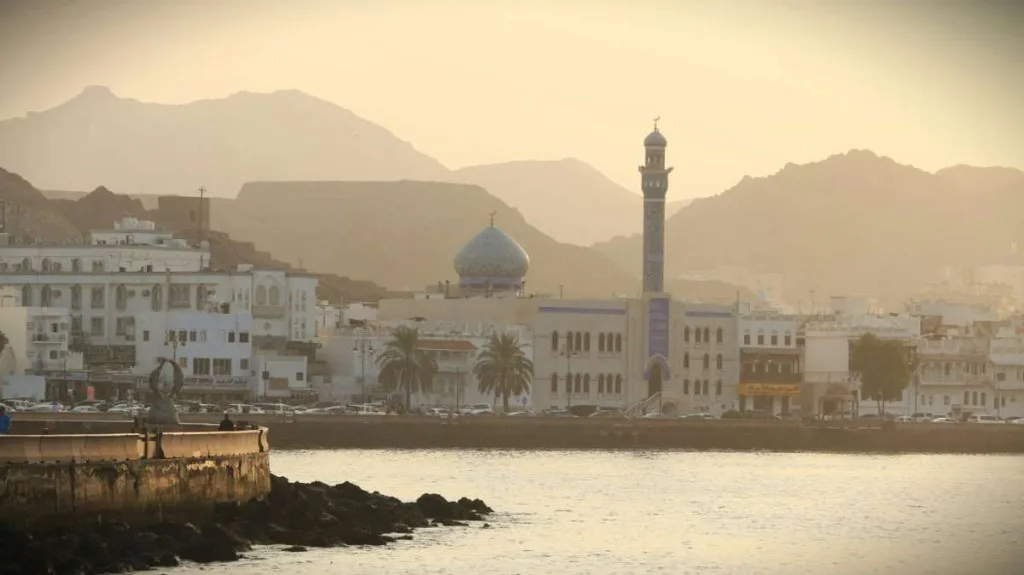
Muscat's air-conditioned shopping malls close between 1:00 PM and 4:00 PM during Ramadan—a fact many European tourists discover only after arriving at the City Centre or Al Harthy Complex during peak heat. Seasonal timing isn't just about comfort; it's about access, operating hours, crowds, and whether you'll actually enjoy wandering climate-controlled corridors versus getting stranded in 48°C heat. This guide reveals when to book your Muscat mall tour, how weather patterns affect your shopping rhythm, and why the month you choose determines everything from opening hours to restaurant availability.
The Year-Round Weather Pattern: How Temperature Shapes Mall Season
Muscat experiences two distinct shopping seasons dictated by temperature—not rainfall (Oman's capital receives virtually none). Understanding this split fundamentally changes how you plan a mall-focused visit.
October to April: Peak Shopping Season (Winter & Spring) Daytime temperatures range from 28°C to 35°C, with comfortable evenings around 18–22°C. This is when European visitors flood Muscat's malls. Germans, British, and French tourists favor December to February specifically because they're escaping snow. During these months, shopping malls operate standard hours (typically 10:00 AM–10:00 PM), all restaurants and cafés function normally, and parking is available throughout the day.
The shoulder seasons (October–November and March–April) are goldmines for savvy tourists. You avoid the December–January crush at City Centre Muscat and Al Harthy Complex, yet temperatures remain pleasant. By late April, however, heat begins creeping above 40°C, and you'll notice malls shift toward a siesta rhythm: many shops close 1:00 PM–4:00 PM to manage air-conditioning costs.
May to September: Off-Season Heat (Summer & Early Autumn) Temperatures soar to 45–50°C, and malls become your primary refuge. However—and this is critical—many independent boutiques, jewelry shops, and smaller retailers close entirely for July and August. Gold souks reduce hours by 30–40%. Restaurant availability plummets. Your shopping experience narrows to anchor stores and international brands that can absorb AC costs.
Khareef (monsoon) season affects southern Oman from June to September, bringing humidity to Muscat that amplifies heat perception to 52–55°C equivalent. Air-conditioning in malls becomes relentless; you may actually feel cold inside after 15 minutes. Summer is not recommended for mall-focused tourism unless you're willing to treat them as survival shelters rather than leisure destinations.
Ramadan & Islamic Holidays: Operating Hour Disruptions You Must Know
Ramadan transforms Muscat's mall schedule entirely. For 30 days (the Islamic lunar calendar shifts it backward ~11 days annually), expect:
- Shortened daytime hours: Most shops open 9:00 AM–1:00 PM, close for 3 hours, reopen 4:00 PM–10:00 PM.
- Restaurant closures during fasting: Mall food courts and cafés close completely until sunset (Iftar, ~6:15 PM in Ramadan months).
- Reduced staff: Many boutiques operate with skeleton crews. Fitting rooms may close; returns/exchanges become slow.
- Evening crowds: After 7:00 PM, malls are jam-packed with local families breaking fast. Parking becomes chaotic.
- Gold souk acceleration: Jewelry shops extend evening hours (7:00 PM–midnight) because Ramadan is peak wedding-planning season in Oman.
In 2024–2025, Ramadan falls in late February to late March (Islamic year varies). If you're booking a Muscat trip for spring, verify the Ramadan calendar before committing. European tourists often don't factor this in; arriving in mid-Ramadan expecting a normal mall experience leads to frustration.
Eid al-Fitr (1–2 days after Ramadan ends) and Eid al-Adha (variable date in summer) are public holidays. Most malls close entirely for Eid al-Fitr; Eid al-Adha closures last 3–4 days. Plan around these if they fall during your visit.
Best Booking Window: When to Reserve Your Muscat Mall Tour
Your booking timeline depends on your preferred season and budget:
Peak Season (December–February): Book 6–8 weeks ahead Hotel room inventory tightens in December for Gulf-wide holidays. If you're combining a mall tour with transportation from Dubai or Abu Dhabi, secure transfers early. Our sedan transfer from Dubai to Muscat transfer costs OMR 120 (USD 310 / AED 1140) and books out quickly during school holidays. A private driver for a full-day mall exploration plus adjacent attractions runs OMR 75 (USD 195) for sedan or OMR 90 (USD 234) for SUV.
Shoulder Season (October–November, March–April): Book 3–4 weeks ahead Best value period. Fewer tourists mean shorter queues at flagship stores. Mall staff have time to assist. Transfer prices remain stable—no surge pricing. If you're combining mall touring with a half-day Muscat city tour (OMR 45 / USD 45), this season offers the most flexibility in timing and pacing.
Ramadan (variable, typically mid-winter to early spring): Book 2–3 months ahead if willing Not recommended for first-time Oman visitors focused on shopping. However, if you're curious about authentic Iftar celebrations and evening mall culture, book early to secure accommodations that cater to fasting guests. Transfers remain available; prices don't surge, but vehicles fill because Ramadan tourism is niche.
Summer (May–September): Walk-in flexibility, but limited value No need to book far ahead. Few tourists visit. Hotels offer discounts. However, your actual mall experience is compromised: fewer vendors open, restaurants limited, and heat exhaustion is a genuine risk. Only book if you're combining mall time with air-conditioned museum visits or indoor family activities.
What to Expect: Major Malls by Season & How to Time Your Visit
Muscat's flagship malls each have seasonal rhythms:
City Centre Muscat (largest, Al Khuwair) Peak season: December–February is heaving. Arrive before 10:00 AM or after 7:00 PM to avoid crowds. Ramadan: Opens 9:00 AM–1:00 PM; reopens 4:00 PM–11:00 PM. Summer: Open but 40% fewer shops active. Best experience: November or early April.
Al Harthy Complex (downtown, boutique-focused) Peak season: Popular for jewelry and traditional Omani wear. Crowds peak December–January. Ramadan: Many small jewelers close midday entirely; return 8:00 PM–midnight. Summer: 50% closure rate; avoid unless buying specific gold items. Best experience: October or March.
The Wave (beachfront, Muscat) Peak season: Family-friendly, outdoor elements; best October–April. Ramadan: Food court completely closed until sunset; retail normal. Summer: Outdoor areas unbearable after 11:00 AM. Best experience: March–April (warm, not hot, fewer Gulf families).
Muscat Grand Mall (newer, family-focused) Year-round consistent. Not heavily affected by Ramadan (modern, diverse tenants). Summer slightly quieter but open. Best for reliable shopping experience any season.
Seasonal Pricing: How Months Affect Your Total Tour Cost
Beyond accommodation, seasonal timing affects your actual mall tour costs:
Peak Season (December–February) Hotel rates: 2–3× off-season. Transfers (Dubai to Muscat): OMR 120 sedan, no negotiation. Private driver for 8 hours: OMR 75 sedan / OMR 90 SUV. Restaurant costs: 20–30% higher due to demand. Estimate: USD 300–400 additional per day vs. shoulder season.
Shoulder Season (October–November, March–April) Hotel rates: standard. Transfers unchanged: OMR 120 (Dubai–Muscat sedan). Private driver: OMR 75 sedan / OMR 90 SUV (no surge). Restaurant costs: normal. Best value for money. Add a half-day Muscat city tour (OMR 45 / USD 45) without queue stress.
Ramadan (variable, 30-day period) Hotel rates: slightly lower; some Western chains offer discounts. Transfers stable. Restaurant availability 50% lower; dining at mall food courts may be impossible until 7:00 PM. Budget conservatively: you'll eat at odd hours or at higher-priced hotel restaurants. Plan to add USD 50–100/day for meal flexibility.
Summer (May–September) Hotel rates: 40–50% discount vs. peak. Transfers unchanged. Private driver rates stable: OMR 75 sedan / OMR 90 SUV. Restaurants discounted. However: many retail boutiques closed, so your actual shopping budget shrinks (fewer items to buy, fewer experiences to pay for). Paradoxically, you save money because there's less to spend on.
From Abu Dhabi or Al Ain? Transfers cost OMR 110 (USD 285 / AED 1045) sedan from Abu Dhabi to Muscat—slightly cheaper than Dubai. Same seasonal timing advice applies.
The Khareef Factor: Southern Oman's Monsoon & Muscat's Humidity Spillover
Khareef (June–September) is Oman's "rainy season"—a misnomer in Muscat. While Salalah (500 km south) receives dramatic cloud cover and mist, Muscat experiences extreme humidity without rain. June–August humidity reaches 80–95%, making 45°C feel like 52–55°C.
For mall shopping specifically, khareef is actually advantageous: malls become true refuges. However, thermal shock entering/exiting air-conditioning can trigger dehydration. Locals reduce outdoor activities entirely; malls fill with family groups. You'll encounter crowded AC corridors but minimal international tourists.
If combining Muscat malls with a Salalah khareef day trip (OMR 99 / USD 99), book August–early September. You'll experience both Muscat's indoor mall culture and Salalah's unique misty landscape. However, Muscat malls alone in khareef? Only if you enjoy being indoors most of the day.
Practical Seasonal Booking Checklist
Arriving October–November?
- Book private driver: OMR 75 sedan (USD 195) full day or OMR 55 (USD 143) half day for morning mall visits before heat peaks.
- No Ramadan conflict. All restaurants open normal hours.
- Book 2–3 weeks in advance for best hotel rates.
- Plan mall visits 10:00 AM–1:00 PM or 4:00 PM–8:00 PM (avoid midday heat even in cool months).
Arriving December–February?
- Verify Ramadan calendar (late Feb–early Mar possible).
- Book transfers now: OMR 120 sedan (USD 310) Dubai–Muscat or OMR 110 (USD 285) Abu Dhabi–Muscat.
- Reserve accommodations 6–8 weeks ahead.
- Private driver: OMR 90 SUV (USD 234) recommended for full-day comfort and parking ease at multiple malls.
- Arrive at malls 10:00 AM sharp; avoid 12:00 PM–2:00 PM and post-7:00 PM crowds.
Arriving March–April?
- Check Ramadan end dates (likely early April in some years).
- Ideal window: March 1–April 10 typically clear of Ramadan.
- Book 3–4 weeks ahead.
- Combine mall tours with half-day city tour (OMR 45 / USD 45) without fatigue.
Arriving May–September?
- Expect 45–50°C heat and many closures. Only book if indoors is your preference.
- Hotels 30–50% cheaper; book 1–2 weeks ahead.
- Plan mall visits 10:00 AM–12:30 PM and 6:00 PM–10:00 PM; avoid 1:00 PM–5:00 PM entirely.
- Combine with air-conditioned attractions (museums, covered souks) rather than outdoor sites.
- Budget extra for meals (limited restaurant availability).
Frequently Asked Questions
What month is best for shopping malls in Muscat?
October–November and March–April offer the best balance: temperatures are 28–35°C (comfortable for walking between malls), all shops operate full hours, restaurants function normally, and you avoid Ramadan disruptions and peak-season crowds. December–February is also excellent but busier and more expensive. May–September is hot (45–50°C) with many closures, so only choose this window if you plan to spend most of your time indoors.
Do Muscat shopping malls close during Ramadan?
Malls remain open but with reduced hours: typically 9:00 AM–
📱 Book Your Tour Online
Get instant confirmation — WhatsApp reply in 15 minutes