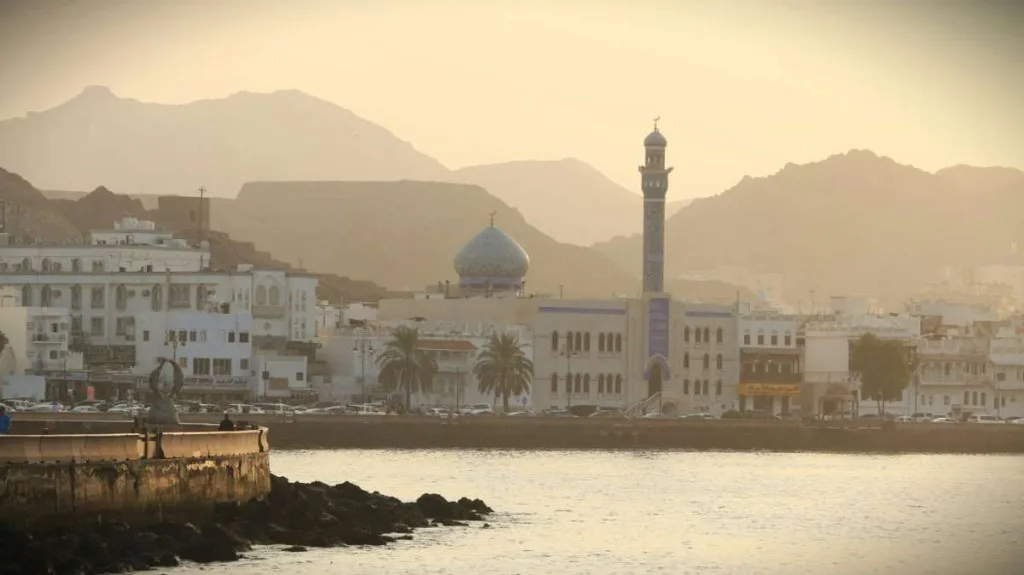
If you're planning a weekend escape from Dubai or Abu Dhabi to Muscat, the month you choose matters far more than the route itself. A OMR 120 (USD 310 / AED 1140) sedan transfer in October feels like a privilege; the same journey in June becomes an endurance test. This seasonal-timing guide reveals when UAE residents should book Muscat private tours, how weather and religious calendars impact your experience, and why early booking in peak months isn't optional—it's strategic.
October–April: The Golden Window for Muscat Weekend Tours
The six-month window from October through April is unquestionably prime season for private tours in and around Muscat. During these months, daytime temperatures range from a comfortable 28–32°C (82–90°F), dropping to a pleasant 18–22°C (64–72°F) in the evening. For UAE residents accustomed to triple-digit summer heat, this is paradise—and the Omani tourism industry prices accordingly.
Peak demand (November–February): European winter tourists, GCC families, and Gulf business travelers converge on Muscat. Hotels fill 80–90% of capacity. Private tour availability tightens considerably. If you're booking a half-day Muscat city tour (OMR 45 / USD 45), expect to secure slots 2–3 weeks ahead. Full-day experiences like the Nizwa day trip (OMR 69 / USD 69) or Wadi Shab excursion (from OMR 60 / about USD 156) may require 3–4 weeks' notice to guarantee your preferred guide and vehicle class.
Shoulder season (October, March–April): If you can shift your weekend by one month, you'll discover a sweet spot. October sees temperatures at their most pleasant (26–30°C in the morning, cooling to 20°C by evening), while European visitors haven't yet arrived in volume. March and April follow a similar pattern. A sedan transfer from Dubai to Muscat (OMR 110 (~$286 USD)) or an SUV (OMR 150 / USD 390 / AED 1430) books with 7–10 days' notice. Your private driver can focus entirely on your itinerary without juggling multiple groups.
For families or small corporate groups, October or April represent better value. While tour pricing remains fixed—a Jebel Akhdar day trip costs OMR 119 (USD 119) year-round—the reduced crowds mean fewer bottlenecks at popular sites and more personalized attention from your guide.
May–September: Off-Season Realities and Hidden Opportunities
Summer in Muscat is brutal. Temperatures regularly exceed 40°C (104°F) from June through August, with humidity climbing above 80% in coastal areas. Many European tour operators suspend operations entirely. Hotels drop rates by 30–50% to attract any guests willing to endure the heat.
Why avoid peak summer (June–August): A private sedan transfer from Dubai to Muscat (OMR 110 (~$286 USD)) becomes merely the start of discomfort. Outdoor attractions—Wadi Shab (from OMR 60 / about USD 156 day trip), Wahiba Sands (OMR 129 / USD 129 day trip or overnight at the same price), or Jebel Shams (OMR 125 / USD 125)—become genuinely unsafe. The wadi pools evaporate or become too warm to swim. Desert sand temperatures exceed 60°C. Even a half-day Muscat city tour (OMR 45 / USD 45) means sitting in traffic with air-conditioning struggling against ambient heat. Your guide will recommend indoor attractions only: the Sultan Qaboos Grand Mosque (entry OMR 15–20) or the Oman Museum, which offer respite but limited cultural immersion.
May and September windows: Temperatures hover between 35–38°C, still challenging but more manageable than summer's extreme. If your work schedule allows, a long weekend in early September (post-Eid al-Adha, if the calendar aligns) or late May can yield both lower prices and shorter booking windows. A full-day private driver in a sedan (OMR 75 / USD 195) or SUV (OMR 90 / USD 234) is available on shorter notice. Attraction entry fees remain OMR 15–20. You'll share fewer spaces with other tourists—a genuine perk for introverts or those seeking authentic local encounters.
One caveat: May and September sit on the cusp of Ramadan's lunar calendar. If Ramadan falls during your planned dates, adjust expectations (see section below).
Ramadan Impact: Booking, Hours, and Logistics Shifts
Ramadan, the Islamic holy month of fasting, reshapes Muscat's rhythm fundamentally. The dates shift annually (approximately 10–11 days earlier each year on the Gregorian calendar). In 2025, Ramadan runs from late February to late March; in 2026, it begins in mid-February.
Operational changes during Ramadan:
- Restaurant availability: Dining hours contract sharply. Most mainstream restaurants close from dawn to sunset. A meal budget of OMR 35 (mid-range) applies only after 19:00 (iftar time). Before sunset, you're limited to tourist-focused hotel restaurants or international chains in Muscat city. Plan tour timing to include a substantial lunch before 13:00 or after sunset.
- Attraction hours: Museums, forts, and cultural sites often reduce hours or close entirely on certain days. Entry fees (OMR 15–20) remain unchanged, but availability becomes uncertain. Confirm opening times 48 hours before your visit.
- Guide behavior and energy: Your private driver and tour guide are fasting (unless they're expatriates exempt from the custom). Even the most professional guide operates at reduced physical capacity. Strenuous activities like Wadi Shab (from OMR 60 / about USD 156) or Jebel Shams (OMR 125 / USD 125) become less advisable. A Muscat city half-day tour (OMR 45 / USD 45) or Nizwa day trip (OMR 69 / USD 69) remain feasible but may feel less spirited.
- Traffic and congestion: Evening traffic intensifies as families prepare for iftar (sunset meal). A transfer from Dubai to Muscat (OMR 110 (~$286 USD) sedan) can take 5.5–6 hours instead of the usual 4.5 hours if you cross the border during rush hours (16:00–19:30).
Booking strategy for Ramadan: If Ramadan coincides with your planned weekend, book tours that accommodate fasting schedules: city walks, historical sites indoors, and sunset excursions that end at a restaurant for iftar dinner. Avoid multi-day desert packages (Wahiba Sands overnight at OMR 129 / USD 129 poses logistical challenges) unless your group includes non-fasting members or your guide explicitly agrees.
Ramadan itself (the month, not Eid al-Fitr that follows) offers an authentic cultural experience: fewer tourists, spiritual atmosphere, and late-night markets in the souk. If you embrace the rhythm, a Muscat private tour during Ramadan becomes memorable for reasons unrelated to weather.
Khareef Season (June–September): Salalah's Unique Appeal and Timing
While Muscat broils in summer heat, Salalah—280 km southwest—enters its monsoon season, locally called khareef. From June through September, the Dhofar region receives rare moisture from the Arabian Sea, transforming the arid landscape into unexpected green. Temperatures in Salalah remain 5–8°C cooler than Muscat during this period.
Why khareef matters for UAE residents: If you're escaping Dubai or Abu Dhabi's oppressive summer, Salalah offers genuine relief. A half-day Salalah city tour (OMR 65 / USD 65) during khareef season showcases lush wadis, mist-shrouded cliffs, and a wholly different ecosystem than typical Omani desert. The Salalah khareef day trip (OMR 99 / USD 99) specifically targets this season's attractions: Wadi Darbat with its seasonal waterfall, Marjan Cave with cool interior temperatures, and the khareef-fed vegetation of Jebel Samhan.
Booking timing for Salalah khareef: Peak khareef (July–August) sees demand from regional tourists and Omanis themselves seeking cooler weather. Book a khareef day trip (OMR 99 / USD 99) or a full 3-day Salalah package (OMR 250 / USD 650) at least 3 weeks ahead. If you're driving (using a private sedan at OMR 120 / USD 310 / AED 1140 from Dubai or incorporating it into a longer itinerary), account for wet roads and occasional landslides that temporarily close mountain passes.
For those with flexible schedules, June and September bookings for Salalah mean lower prices on accommodation (not our pricing, but relevant context) and immediate tour availability. You'll experience khareef without crowds—though moisture and occasional rain require waterproof gear and flexibility around activities.
Strategic Booking Windows: When to Reserve Your Muscat Private Tour
Booking lead time differs dramatically by season. Understanding this prevents disappointment and ensures you secure your preferred vehicle and guide.
Peak season (November–February): Reserve 4–6 weeks in advance. If you're booking a Jebel Akhdar day trip (OMR 119 / USD 119) or multi-day package like the Oman 3-day package (OMR 299 / USD 299) or 5-day itinerary (OMR 799 / USD 799 or up to USD 1499 for premium versions), confirm your slots immediately. Private driver availability—particularly luxury Mercedes transfers (OMR 180 / USD 470 / AED 1720 from Dubai to Muscat) or full-day SUV chauffeur service (OMR 90 / USD 234)—fills quickly when multiple corporate groups book simultaneously.
Shoulder season (October, March–April): 2–3 weeks' notice suffices for most tours. Day trips like Wadi Shab (from OMR 60 / about USD 156) or Nizwa (OMR 69 / USD 69) book reliably. Airport sedan transfers (standard OMR 18 / USD 47; luxury OMR 30 / USD 78) rarely face delays.
Off-season (May–September, excluding Ramadan): Last-minute bookings (3–5 days ahead) often succeed. A full-day private driver in a sedan (OMR 75 / USD 195) or SUV (OMR 90 / USD 234) usually accommodates weekend plans announced mid-week. Conversely, you sacrifice choice: your guide may not be your preferred individual; vehicle selection narrows.
Ramadan period: Book tours 2–3 weeks ahead and explicitly mention the Ramadan dates to your operator. Last-minute changes risk your guide already being allocated elsewhere or refusing strenuous activities on short notice.
Weather and Activity Alignment: Seasonal Tour Selection
Different tours suit different seasons. Align your choice with weather realities to maximize enjoyment.
October–April (ideal season): All tours operate at full capacity. A Wahiba Sands overnight (OMR 129 / USD 129) is genuinely pleasant: daytime desert exploration, evening stargazing in cool air, sunrise photography. Jebel Shams day trip (OMR 125 / USD 125) offers exhilarating mountain trekking without heat exhaustion. A Muscat city half-day tour (OMR 45 / USD 45) lets you explore the souk, the Grand Mosque, and waterfront without seeking shade every 10 minutes.
May–September (heat season): Prioritize water-based and cave activities. Wadi Shab day trip (from OMR 60 / about USD 156) allows swimming to cool off. Interior attractions—Marjan Cave, Bat Cave, museum visits—keep you air-conditioned. Desert camping (OMR 50 / USD 50 per night) is inadvisable unless you're accustomed to extreme overnight heat. Skip high-altitude treks like Jebel Akhdar (OMR 119 / USD 119) unless you start before 06:00 and finish by 10:00—request this explicitly when booking.
Salalah-specific (June–September khareef): The Salalah khareef day trip (OMR 99 / USD 99) is uniquely seasonal. Outside khareef months, Salalah is hot and arid—less compelling. If you're committed to Salalah, time it for June–September and expect rain gear and flexible itineraries as part of the experience.
Multi-Day Packages and Seasonal Pricing
OmanTour's multi-day packages (3-day at OMR 299 / USD 299; 5-day at OMR 799 / USD 799 or up to USD 1499; 7-day at USD 1170 / AED 4500) operate year-round, but seasonal timing affects what you actually experience.
3-day package (OMR 299 / USD 299): Covers essential Muscat highlights plus a day trip inland. Ideal November–February for Nizwa and mountain exploration. May–September, it becomes a Muscat + Wadi Shab + museum-focused itinerary. The price is fixed regardless of season, but your experience's intensity and comfort vary.
5-day itinerary (OMR 799 / USD 799 or up to USD 1499 for premium): Allows Muscat + Nizwa + Jebel Akhdar or Wahiba Sands + Salalah (optional). Book this for October–April to access all components safely. If you book May–September, the operator will likely substitute high-altitude activities with lowland alternatives, reducing itinerary's diversity.
7-day private tour (USD 1170 / AED 4500): Premium experience covering the full Oman spectrum. The fixed price works across seasons, but shoulder-season (October, March–April) bookings maximize value: you access all sites comfortably and without peak-season crowds. Peak-season (December–January) additions like Christmas/New Year premiums or upgraded accommodations require direct negotiation.
Practical Logistics: Transfers, Fuel, and Seasonal Costs
Beyond
Frequently Asked Questions
Can UAE residents visit Oman for a weekend?
Yes — very popular. Drive via Hatta border takes 4–4.5 hours to Muscat. No visa required for GCC nationals. Other nationalities check requirements for their passport.
Best Oman weekend trip from Dubai?
Wadi Shab Day 1, Nizwa Fort Day 2. Depart Thursday evening or Friday morning, return Sunday. Private car from OMR 110/vehicle Dubai–Muscat.
Do UAE residents need a visa?
GCC nationals enter without visa. Expatriates in UAE should check whether their nationality qualifies for Oman visa on arrival — most Western nationalities do (OMR 5 at border).
What is the Hatta border experience like?
Straightforward — UAE exit and Oman entry at same crossing. Processing 20–40 minutes. Bring passport and vehicle documents if self-driving.
Best Oman day trips for UAE residents?
Wadi Shab canyon swim, Nizwa Fort and Friday market, Jebel Akhdar (4WD required), Wahiba Sands overnight.
Is a Dubai to Oman weekend worth it?
Yes — consistently. Wadi Shab is one of the most dramatic natural experiences within driving distance of Dubai.
For prices per vehicle and private-van booking, see our private tours for Gulf visitors.
📱 Book Your Tour Online
Get instant confirmation — WhatsApp reply in 15 minutes