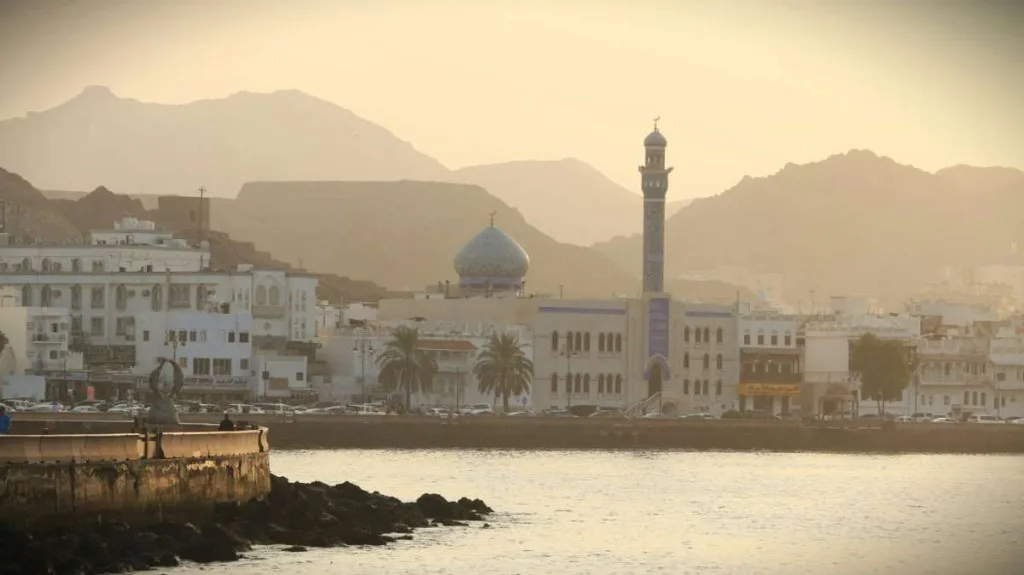
The Mutrah Fish Market opens at 06:00 AM, and you'll see the day's catch unloaded within the first hour—a window that closes by mid-morning. This isn't a standalone tourist attraction; it's a functional working market where timing, local knowledge, and transport coordination determine whether you experience an authentic slice of Omani commerce or an overcrowded photo-op. This guide shows how to thread the fish market into your 3-, 5-, or 7-day Oman itinerary without sacrificing other priorities, including the logistics of getting there, what to expect, and how much it costs.
Why the Fish Market Matters to Your Oman Itinerary Structure
The Mutrah Corniche Fish Market (also called Muttrah Souk Al-Hout) sits at the edge of the Old Town, adjacent to the traditional dhow harbor and the Sheikh's Palace. For most visitors, it's part of a cluster—you can visit it alongside the Al Alam Palace, the historic fort, and the souks—but only if you time it correctly and don't duplicate transport costs.
The critical difference between a rushed visit and a meaningful one lies in arrival time. Early risers (05:30–07:00 AM) see auctions, shouting fishmongers, ice-filled bins, and energy. Visitors arriving at 09:00 AM or later see mostly cleaned stalls, tourist groups, and reduced authenticity. This timing constraint shapes how you build your first or second day in Muscat.
For European visitors arriving on morning flights (common from Frankfurt, London, or Amsterdam on Lufthansa, British Airways, or KLM), the fish market is logistically awkward—you'll be jet-lagged and your hotel check-in may not be ready. For those arriving the previous evening or already in Muscat for 2+ days, integrating it into Day 2 or Day 3 makes sense.
Fitting the Fish Market Into a 3-Day Muscat Itinerary
A 3-day Muscat trip typically includes:
- Day 1: Arrival, city center (Grand Mosque, Al Alam Palace, Corniche)
- Day 2: Day trip out of Muscat (Nizwa, Wadi Shab, or Jebel Akhdar)
- Day 3: Departure or half-day city tour
Fish Market Integration: Swap your Day 1 approach. Instead of heading to the city center in the afternoon, stay near your hotel on arrival day. Wake early on Day 2, visit the fish market at 06:30 AM (before your outbound day trip), then proceed to your chosen excursion.
Logistics cost: An airport sedan transfer from Muscat International Airport is OMR 18 (USD 47) for standard or OMR 30 (USD 78) for luxury. Hotel to fish market is negligible if staying in the city center; if staying in Al Bustan or Qurm, budget OMR 5–10 in taxi fare one-way.
Day 2 example:
- 05:45 AM – Hotel pickup by private sedan (OMR 55 / USD 143 half-day rate)
- 06:15 AM – Arrive fish market, explore 45 minutes
- 07:15 AM – Breakfast at nearby cafe (OMR 8–12)
- 08:00 AM – Transfer to Nizwa day trip (OMR 69 / USD 69 group tour) or book private driver for full day (OMR 75 / USD 195)
- Return 18:00–19:00
Cost summary for 3-day trip with fish market: Airport transfer OMR 18, fish market half-day driver OMR 55, Nizwa day trip OMR 69, meals and entry fees ~OMR 40. Total ~OMR 182 (USD 472) for transport and tours alone.
Integrating the Fish Market Into a 5 or 7-Day Oman Itinerary
Longer trips afford more flexibility. A 5-day Oman itinerary typically spans Muscat + one interior region (Nizwa, Jebel Akhdar, Wahiba Sands). A 7-day trip might include Muscat, interior mountains or desert, and a southern trip toward Salalah.
5-Day Itinerary with Fish Market:
- Day 1 (arrival): Airport → hotel, light evening walk
- Day 2 (early morning): Fish market 06:30–07:30, breakfast, half-day city tour (OMR 45 / USD 45)
- Day 3: Nizwa or Wadi Shab day trip (OMR 69–89)
- Day 4: Jebel Akhdar or desert activity (OMR 119–129)
- Day 5: Relaxation or half-day excursion, evening departure
This structure avoids wasting the early-morning window and ensures you see the market at peak activity. You're not sacrificing a full day; you're optimizing the transition between arrival and your first major excursion.
7-Day Itinerary: Add a southern segment. After Days 1–4 (Muscat + interior), Days 5–7 could include a Salalah package (OMR 199 / USD 199 day trip, or stay overnight for OMR 250 / USD 650 for 3-day Salalah tour). The fish market visit remains on Day 2, unchanged.
Private driver option: If you prefer not to book a formal tour, rent a private sedan for a full day (OMR 75 / USD 195) on Day 2. Have the driver take you to the fish market, then to breakfast, then to the souks and Al Alam Palace. This gives you flexibility and a guide who can explain what you're seeing.
What to Expect at Mutrah Fish Market: Timing, Etiquette, and Entry
Hours: The market operates 06:00 AM–13:00 PM daily (closed Fridays). The best window is 06:00–08:30 AM.
What you'll see: Fishing boats dock at the quay; fishermen and merchants unload the catch—grouper, snapper, mackerel, squid, octopus, shrimp. Auctioneers call prices in Arabic. Buyers (restaurants, wholesalers, locals) inspect and bid. The energy is chaotic, loud, and deeply local.
Photography: Ask permission before photographing people. Many fishmongers are comfortable with photos if you're respectful; some prefer not to be in images. Avoid blocking the work.
Dress: Casual, comfortable clothes. Bring a scarf or light cover if you prefer; it's not required but respectful. Expect wet floors and fish odor.
Entry fee: None. The market is free to walk through. There is no museum or ticketed section. You're observing a working market, not a tourist attraction.
Language: Arabic is spoken; English is less common than in hotels or restaurants. A guide or private driver is helpful for context and to navigate the layout.
Food: You cannot eat at the market itself. Breakfast cafes line the Corniche; expect OMR 5–10 for tea, coffee, or light food. Many travelers head to a nearby restaurant after the market for fresh seafood—a meal at a mid-range establishment runs OMR 30–40 (USD 78–104).
Transport Options and Cost Breakdown
From central Muscat hotels to Mutrah Fish Market:
- Taxi: OMR 5–8, 10–15 minutes. Unreliable for exact early-morning pickup; use ride-hailing apps (Uber, Careem) if available.
- Private sedan half-day (recommended): OMR 55 (USD 143). Driver picks you up 05:45 AM, waits 1 hour, returns you to hotel by 08:00 AM.
- Private sedan full day: OMR 75 (USD 195). Extends to include city tour, souks, Al Alam Palace (6–7 hours).
- Walking: If your hotel is in the Old Town or near Ruwi, a 15–25 minute walk is possible. Not recommended in darkness.
Best practice: Book a private sedan half-day or full-day in advance. Confirm a 05:30 AM or 05:45 AM pickup with your driver or tour operator. Include the specific address: Mutrah Fish Market, Mutrah Corniche, Muscat, Oman.
Avoiding Duplicate Transport Costs Across Multiple Days
The fish market sits near the Mutrah Souk, Al Alam Palace, the Fort (Mirani/Jalali), and the Corniche. If you're planning a city tour or souk visit anyway, slot the fish market into the same outing to save money.
Example: Use one full-day private driver (OMR 75 / USD 195) instead of booking separate half-days. Start 06:00 AM at the fish market, move to breakfast (08:00), explore the souks (08:30–11:00), visit Al Alam Palace (11:00–11:30), relax at the Corniche (11:30–13:00), and then either return to the hotel or extend to a lunch outing. This single booking replaces multiple taxi rides and simplifies your schedule.
Best Time of Year to Visit the Fish Market
October–April: Peak fishing season. Larger catches, more variety, higher energy. Ideal for tourists.
May–September (Khareef season): Monsoon winds reduce catches. The market is quieter. If you're visiting Oman during summer for business or family reasons, the fish market is less impressive—consider substituting with a half-day city tour (OMR 45 / USD 45) instead.
Cultural and Practical Considerations
Ramadan: During Ramadan, the market operates earlier (to allow workers to rest before dawn fast). Confirm hours in advance.
Fridays: The market is closed. Plan your Day 2 for any day except Friday.
Guides: Hiring a local guide adds depth. Contact us for a quote on guided fish market tours, or include it as an add-on to a half-day city tour.
Respect: This is a working market, not a museum. Visitors are welcome, but it's not staged for tourists. Be quiet, observant, and unobtrusive. Avoid blocking workers or being disruptive.
How the Fish Market Fits Into Your Broader Oman Experience
The fish market is a small but irreplaceable piece of Omani identity. It shows you how locals source food, how fishermen work, and how traditional commerce functions in the Gulf. It contrasts sharply with modern malls and hotel dining.
For a 3-day trip, it's a highlight. For a 5 or 7-day trip, it's a worthwhile addition that doesn't require extra planning if integrated correctly. The key is early timing and bundling it with other Mutrah attractions to avoid wasted transport.
If you're combining Muscat with interior Oman (Nizwa, Jebel Akhdar, Wadi Shab), the fish market ensures you also experience coastal, urban Oman. If you're adding Salalah, it balances the trip between north and south.
Frequently Asked Questions
What is the best time to visit Mutrah Fish Market?
The best time is 06:00–08:30 AM on any day except Friday. Arrive early to see auctions, fresh catches, and peak activity. Mid-morning (09:00+) is quieter and less authentic. The market is open year-round, but October–April offers larger catches and more vendors. The market closes during Ramadan daylight hours; confirm hours in advance if traveling during Ramadan.
Do I need a guide to visit the fish market?
No guide is required, but one enhances your experience. A private sedan driver (OMR 55 / USD 143 half-day) can provide context and navigate the layout. For a deeper cultural dive, hire a local guide through your hotel or tour operator (contact us for a quote). English is not widely spoken in the market itself, so a guide or driver who speaks Arabic is valuable.
Is there an entry fee to the fish market?
No. The Mutrah Fish Market is free to enter and walk through. It is a working market, not a museum or ticketed attraction. You may purchase fresh fish directly from vendors if you wish, but typical visitors observe and photograph. Budget OMR 5
📱 Book Your Tour Online
Get instant confirmation — WhatsApp reply in 15 minutes