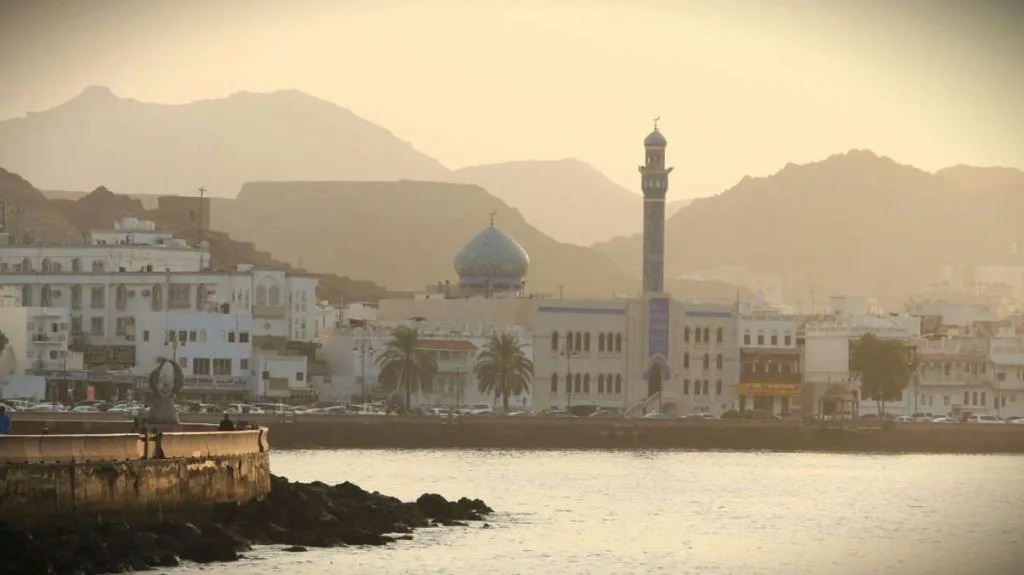
At 8:15 on a Tuesday morning, I watched a group of tourists shuffle into Sultan Qaboos Grand Mosque wearing borrowed abayas, craning their necks at a chandelier so heavy it required a steel frame engineered specifically to hold it. Their guide was explaining — quietly, because the space demands it — that the prayer hall carpet was hand-knotted by 600 Omani women over four years. Nobody was checking their phones. That's what a good Muscat city tour does. It stops you in your tracks.
I've spent three years living here, writing about Oman for Lonely Planet and The Guardian. I've done these tours, ridden along on them, and recommended them to hundreds of readers. This guide cuts through the noise: what's actually included, what it costs in real money, and which options are worth your time.
What Does a Muscat City Tour Package Actually Include?
A standard muscat city tour package covers the Grand Mosque, Old Muscat (Al Jalali and Al Mirani forts, Al Alam Palace), the Mutrah Corniche and Souq, and usually a drive past the Royal Opera House. Most full-day versions add the National Museum and Al Mouj Marina. That's your core Muscat city tour in roughly 8–10 hours.
Private packages include a dedicated air-conditioned vehicle and a personal guide. Group packages put you in a shared minibus with 8–12 strangers, usually on a fixed departure schedule. Half-day city tours trim the list to the Mosque, Old Muscat, and Mutrah — sensible if you're short on time or arriving on a layover.
Day tours that go beyond Muscat — Wadi Shab, Nizwa, the desert — operate on a separate booking and replace the city stops entirely. You can't reasonably combine a Wadi Shab day trip with a full Muscat city tour in the same day. I'll come back to that.
The Must-See Stops on Any Muscat City Tour

Sultan Qaboos Grand Mosque
Non-Muslims can visit Saturday through Thursday, 8AM–11AM only. Arrive before 9:30AM — after that, tour groups stack up and the atmosphere shifts from contemplative to chaotic. The main chandelier weighs 8.5 tonnes and is decorated with Swarovski crystals. The carpet in the main prayer hall is a single hand-knotted piece covering 4,343 square metres, woven by 600 women over four years. These aren't trivia points — standing inside, they make sense of the scale.
Dress code is strict: women need a full abaya and headscarf, men need long trousers and covered shoulders. Most tour operators provide abayas on request, but bringing your own is faster.
Old Muscat & the Portuguese Forts
Al Jalali and Al Mirani forts sit on opposite headlands at the entrance to Muscat harbour, built by the Portuguese in the 1580s after they seized the city. You can't enter either fort (Al Jalali is now a state prison, Al Mirani is a military installation), but the view from the waterfront road below them — with Al Alam Palace flanked by the two forts — is the single most photographed scene in Oman for good reason.
Al Alam Palace is the ceremonial residence of the Sultan. The teal and gold facade was renovated in 1972 and photographs brilliantly in morning light. This is an exterior-only stop — 15 to 20 minutes is enough.
Mutrah Corniche & Souq
Mutrah Souq is the oldest market in Muscat and one of the few places in the Gulf that hasn't been sanitised into a mall. Go for frankincense — grades range from cheap Somali resin (sold in bulk, fine for burning) to premium Omani hojari, pale green and worth the price. A decent guide will walk you past the tourist-facing stalls to the deeper lanes where locals buy spices, silver, and textiles.
In my experience, 45 minutes here is the minimum. Most group tours give you 30 — which is why private day tours in Muscat consistently get better reviews for this stop specifically.
National Museum of Oman
Opened in 2016, this is the best museum in the Gulf — and I'm prepared to argue that point. The collection spans 5,000 years of Omani history across 14 permanent galleries, with serious curation and English signage throughout. The maritime gallery alone justifies a visit. Most muscat city tour itineraries include a 45–60 minute stop; if your guide tries to skip it, push back.
Al Mouj Marina
Skip this on a morning city tour. Al Mouj is a modern marina development that makes sense as a sunset or evening stop — the light on the water is genuinely beautiful and there are good cafes for a break. Including it in a daytime itinerary adds 30 minutes of transit for a view that's mediocre at noon. Good private guides will offer it as an optional evening add-on instead.
Day Tours in Muscat Beyond the City
Wadi Shab & Bimmah Sinkhole (Most Popular)
Wadi Shab is a 2.5-hour drive south of Muscat and requires a short boat crossing and a 45-minute walk each way to reach the swimming pools inside the gorge. The Bimmah Sinkhole — a turquoise limestone collapse pool — sits right off the highway and pairs naturally with the wadi. This is the most-booked day tour from Muscat for good reason: it's genuinely spectacular and accessible to most fitness levels.
Nizwa Fort + Jebel Akhdar (Best Combo)
Nizwa Fort is 1.5 hours inland from Muscat, with a circular tower that was once the largest in Arabia. Combining it with a drive up Jebel Akhdar — the Green Mountain, sitting at 2,000 metres — gives you one of the most dramatic landscape contrasts available on any single day trip from Muscat. A 4x4 is required above Nizwa; all reputable operators have them.
Wahiba Sands Desert (Most Surprising)
Two hours southeast of Muscat, the Wahiba Sands deliver proper red dune desert within a day trip. Most packages include a dune drive, camel ride option, and lunch at a desert camp. First-time visitors to Arabia consistently rate this as their most unexpected experience — Oman's desert doesn't get the same marketing as Dubai's, but the landscape is rawer and less crowded.
Daymaniyat Islands Snorkeling (Hidden Gem)
A UNESCO nature reserve 30 minutes by boat from Muscat's Seeb area, the Daymaniyat Islands have some of the best coral and sea turtle encounters in the Arabian Sea. This tour runs October through May (boat conditions permitting) and suits anyone who wants to get off the land entirely. Far fewer operators offer it, which keeps the islands genuinely quiet.

Muscat City Tour Package Price: Every Option in 2026
All prices below are per vehicle (up to 4 passengers), private, with English-speaking guide and fuel included. Group tour prices are listed separately underneath the table.
| Tour Type | Duration | GBP | USD | EUR | INR |
|---|---|---|---|---|---|
| Half-Day City Tour (Private) | 4–5 hrs | £38–55 | $47–68 | €44–63 | ₹3,800–5,500 |
| Full-Day City Tour (Private) | 8–10 hrs | £55–80 | $68–100 | €63–92 | ₹5,500–8,000 |
| Wadi Shab Day Tour | Full day | £55–75 | $68–93 | €63–86 | ₹5,500–7,500 |
| Nizwa + Jebel Akhdar | Full day | £72–100 | $89–124 | €82–115 | ₹7,200–10,000 |
| Wahiba Sands Desert | Full day | £68–95 | $84–118 | €77–109 | ₹6,800–9,500 |
Group tour pricing: Shared day tours in Muscat typically run £18–28 / $22–35 / €20–32 / ₹1,800–2,800 per person. Fixed departures at 8AM or 9AM. You save money; you lose flexibility.
Private Tour vs Group Package: The Honest Answer
| Criteria | Private Tour | Group Package |
|---|---|---|
| Departure time | Your choice | Fixed (usually 8–9AM) |
| Pace at each stop | Flexible | Rushed |
| Custom itinerary | Yes | No |
| Cost (2 people) | Higher per person | Lower per person |
| Cost (4 people) | Comparable or cheaper | Similar total |
| Best for | Families, couples, photographers | Solo travellers, tight budgets |
My honest take: if you're travelling as a family of four, a private muscat city tour package costs the same as or less than four group seats — and you get twice the experience. Solo travellers on a tight budget should go group without guilt.
Half-Day vs Full-Day Muscat City Tour
Choose a half-day city tour if you have a single free morning, you're transiting through Muscat, or you've already been to the Grand Mosque. The half-day covers the three non-negotiables — Mosque, Old Muscat, Mutrah — and gets you back to your hotel by 1PM.
Choose a full-day muscat city tour if this is your first time in Oman, you want the National Museum, or you prefer not to feel rushed at Mutrah Souq. The extra four hours make a real difference to how much you absorb rather than simply photograph.
When to Book Your Muscat Day Tour
October through April is the optimal window for all day tours in Muscat. Temperatures run 22–32°C, mornings are clear, and wadi swimming is ideal. May through September is genuinely hot — 40°C-plus by mid-morning — and outdoor tours become uncomfortable rather than enjoyable.
Book your Grand Mosque visit for the first stop of the day, arriving no later than 9:30AM. For desert and wadi tours, early pickup (6:30–7AM) is standard and worth it — you want to be at Wadi Shab before 10AM when the light hits the canyon walls properly.
Private tours can usually be arranged with 24–48 hours notice outside peak season (December–January). During Christmas week and New Year, book at least a week ahead.
Practical Tips for Your Muscat City Tour
- Dress code everywhere: Shoulders and knees covered for both men and women at the Mosque and Old Muscat. Lightweight linen works well and packs small.
- Bring cash to Mutrah: Most stalls don't take cards. OMR 20–30 (roughly £40–60 / $50–75) is enough for frankincense, silver jewellery, and a coffee.
- Skip the Royal Opera House interior on a standard city tour unless you have a specific interest in architecture. The exterior is photogenic at night; the ticketed interior tour requires a separate booking and takes 90 minutes you could spend at Mutrah.
- Carry a reusable water bottle: Oman has excellent drinking water infrastructure and most tour vehicles have a cooler. A 1.5-litre bottle per person is the minimum for outdoor stops.
- Confirm your guide's language level before booking: Ask for a sample itinerary by WhatsApp. A guide who can explain the Portuguese fort history coherently in writing will do so in person too.

Frequently Asked Questions
How much does a Muscat city tour cost?
A private half-day muscat city tour package starts at £38 / $47 / €44 / ₹3,800 per vehicle for up to 4 passengers. Full-day private tours run £55–80 / $68–100 / €63–92 / ₹5,500–8,000. Group tours cost £18–28 / $22–35 per person. All 2026 pricing.
Is a private Muscat tour worth the extra cost?
For groups of three or four, yes — the per-vehicle price splits down to near group-tour rates and the experience is significantly better. For solo travellers, group tours are the pragmatic choice unless flexibility matters more than budget.
What is the best day tour from Muscat?
Wadi Shab is the most consistently spectacular single-day trip from Muscat. Nizwa plus Jebel Akhdar is the best cultural and landscape combo. If this is your only day in Oman, a full-day city tour covers more ground and gives better context for the country you're in.
Can I do Wadi Shab and the city in one day?
No — not properly. Wadi Shab is a 5-hour round trip from Muscat before you account for the walk and swim. Combining it with a Muscat city tour means doing both badly. Split them across two days or choose one.
Do I need to book Muscat tours in advance?
For October through April travel: yes, especially for the Grand Mosque (the visiting window closes at 11AM) and for December–January peak season. Outside peak season, 24–48 hours notice is usually sufficient for private bookings.
Book Your Muscat Day Tour
The tours described in this guide are bookable directly through Oman Tour, a Muscat-based operator I've used and recommended to readers for two years. Booking direct means no platform markup and the ability to customise your itinerary before arrival.
WhatsApp: +968 9468 1176
Website: omantour.in
Message them with your travel dates, group size, and which stops matter most to you. They'll send a confirmed itinerary within a few hours. No deposit required until 48 hours before your tour date.
📱 Book Your Tour Online
Get instant confirmation — WhatsApp reply in 15 minutes