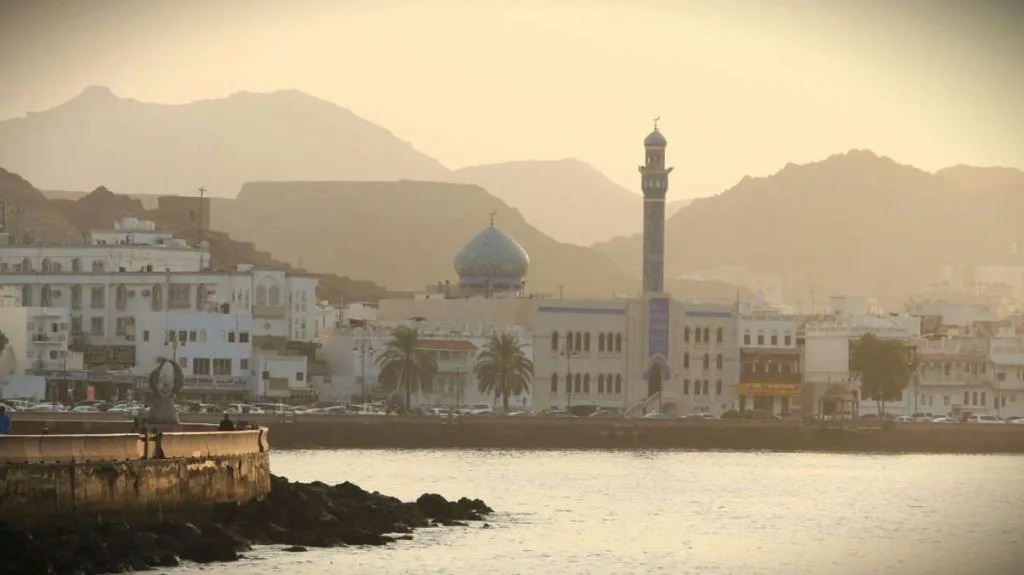
The 240 km drive from Muscat to Khasab takes between 4–5 hours via coastal roads and mountain passes, and your choice of transport method will determine not only cost but also comfort, flexibility, and when you actually reach the fjords. This musandam khasab dhow cruise guide breaks down every realistic transfer option so you can board your dhow relaxed, not stressed—and explains exactly why private transfers outpace the alternatives for most European and GCC visitors.
Why Transport Choice Matters for Your Musandam Dhow Experience
Khasab's dhow cruises depart on rigid schedules, typically at 09:00, 14:00, or 16:00 depending on season and operator. Miss your departure slot by 30 minutes and you forfeit your booking; arrive with 90 minutes to spare after a grueling shared taxi ride with eight strangers, and you spend your pre-cruise time frustrated rather than photographing the Musandam Peninsula's limestone cliffs. The musandam khasab dhow cruise guide begins, therefore, not with the cruise itself but with how you arrive.
Between mid-September and April, Khasab water conditions are calm enough for dolphin-spotting and snorkeling. During summer, swells can turn a 2-hour fjord tour into a pitching, queasy ordeal—which is exactly when you want the flexibility to reschedule without losing OMR 80–120 of your boat fare. A shared taxi locks you in; a private transfer lets you adjust timing by an hour or two without penalty.
Four Transfer Routes from Muscat to Khasab: Logistics & Cost Breakdown
There are genuinely only four realistic pathways to Khasab from Muscat. Each has a distinct cost profile, duration, and operational headache:
Route 1: Coastal Road via Sohar (Standard, Fastest)
Distance: 240 km | Duration: 4 hours 15 minutes | Road type: Mostly E11 highway, excellent condition
This is the go-to route for 95% of visitors. You head north on the E11 via Sohar, then cut inland and climb toward the Musandam Peninsula. Petrol stations are abundant, rest areas are marked, and mobile coverage is continuous. For self-drive tourists with a rental car, this is psychologically the easiest route—straight roads, clear signage in English, and zero surprises.
Route 2: Mountain Interior via Nakhal & Rustaq (Scenic, Longer)
Distance: 280 km | Duration: 5 hours 30 minutes | Road type: Mix of highways and mountain passes
This route loops inland through Rustaq and the Jebel Akhdar foothills. It adds 45 minutes and 40 km but exposes you to Oman's interior landscape—date plantations, fortified villages, and sudden altitude changes. Few tourists choose this deliberately; it happens only when the coastal E11 is congested (rare) or when a shared taxi driver takes a "shortcut" that costs you an extra hour and frays your nerves.
Route 3: Border Crossing via Hatta (UAE Route, Rare)
Distance: 260 km from Dubai | Duration: 5 hours 30 minutes | Road type: Paved, includes UAE-Oman border at Hatta
If you're based in Dubai or Abu Dhabi, the Hatta-Oman border gate (open 08:00–20:00) lets you enter Musandam without driving through Muscat. This shaves 90 minutes compared to Dubai-Muscat-Khasab. However, you need a valid Oman visa or visa-on-arrival eligibility (EU/UK nationals: yes; GCC residents: yes; Australian/NZ: check DGCA). The road is quieter but less developed, and fuel stops are sparse—better for experienced drivers only.
Route 4: Coastal via Shinas & Liwa (Slowest, Rarely Used)
Distance: 280 km | Duration: 5 hours 45 minutes
This hugs the Batinah coast and is genuinely scenic but adds time and offers no advantage over the standard Sohar route. Only self-drive tourists exploring traditional fishing villages choose this deliberately.
Private Transfer vs. Self-Drive vs. Shared Taxi: Head-to-Head Comparison for Your Musandam Khasab Dhow Cruise Guide
Below is the definitive breakdown across cost, time, flexibility, and practicality. This musandam khasab dhow cruise guide table assumes you're traveling from Muscat city center (airport hotels, Old Muscat, or Qurum area) to Khasab town center, ready to board a dhow by your scheduled departure.
| Transfer Type | Cost (OMR) | Duration | Flexibility | Comfort Level |
|---|---|---|---|---|
| Private Sedan (full day driver) | OMR 75 | 4h 15min (direct) | Highest | ★★★★★ |
| Private SUV (full day driver) | OMR 90 | 4h 15min (direct) | Highest | ★★★★★ |
| Self-drive rental (sedan, fuel only) | OMR 40 fuel | 4h 15min | Highest | ★★★☆☆ |
| Shared taxi (white sedan, 4 passengers) | OMR 25–35 per seat | 4h 45min–5h 30min | Low | ★★☆☆☆ |
| Minibus charter (8–10 passengers) | OMR 30–45 per seat | 5h–5h 30min | Low | ★★★☆☆ |
| Organized bus tour (Muscat–Khasab–Muscat round trip) | Contact for quote | Full day (8h–9h) | Very Low | ★★★☆☆ |
Why Private Transfer Beats Every Alternative for Musandam Khasab Dhow Cruises
The numbers speak clearly, but context matters. Here's why our musandam khasab dhow cruise guide recommends private transfer as the dominant choice for European and GCC visitors:
Cost Reality: Private vs. Shared
At first glance, a shared taxi at OMR 25–35 per seat undercuts a private sedan at OMR 75 by 60–70%. But shared taxis almost never run Muscat-Khasab round-trip as a single journey. Instead, you book a seat on a taxi that leaves when full (not when you need to leave). If your dhow departs at 09:00, a taxi must collect you by 04:45. If there are only three other passengers and the driver is waiting for a fifth, you leave at 05:15 and arrive breathless at 09:50—after your cruise has sailed.
Private sedan at OMR 75 for a full day means you leave Muscat on your schedule, arrive with 60–90 minutes to spare, walk onto the dhow without adrenaline, and have the driver wait while you take your 2–3 hour cruise. Then you return to Muscat by evening, stress-free. That flexibility alone is worth OMR 40–50 compared to the shared taxi gamble.
Fuel Cost for Self-Drive
Muscat-Khasab-Muscat (480 km round trip) on a typical compact rental burns roughly OMR 40 in fuel at current prices. Rental car hire adds OMR 50–80 per day (insurance, deposit hold, pickup fee). So self-drive totals OMR 90–120—and that assumes you navigate the E11 without wrong turns, don't hit tolls on unexpected routes, and don't wear down tires on gravel sections. For a first-time visitor unfamiliar with Oman's road signage, the stress and mental energy cost more than the OMR 15–45 savings versus private transfer.
Shared Taxi Reliability for a Time-Sensitive Journey
Shared taxis depart Muscat from a central rank (typically near the Muttrah Souk or Ministry of Transport). You arrive at 04:00, negotiate a seat, wait for 4–5 more passengers, and then the driver decides to take the "scenic" mountain route because one passenger asked. Now your 4.25-hour journey stretches to 5.5 hours. You arrive at Khasab town center (not the dhow dock), collect luggage, and walk 10–15 minutes to the port. Your 09:00 cruise has been boarding for 30 minutes. Many operators charge a 50% penalty for arrivals after departure time—so you lose OMR 40–60 of cruise fare on top of the shared taxi cost.
Vehicle Condition & Insurance
Private transfer vehicles (sedan or SUV) are maintained to company standard, insured, and equipped with air conditioning that actually works. Shared taxis in Oman are often 10–15 year old models, cigarette-stained, with suspension that bounces you between Sohar and the Musandam Pass. The OMR 75 private sedan guarantees you arrive fresh; the OMR 25 shared taxi guarantees your back aches.
Practical Cost Breakdown: Full Muscat-to-Khasab Dhow Day with Private Transfer
Let's price a complete door-to-door experience using the musandam khasab dhow cruise guide framework:
| Item | Cost (OMR) | Notes |
|---|---|---|
| Private Sedan, full day (Muscat–Khasab–Muscat) | OMR 75 | Driver waits during cruise; AC; on-time guarantee |
| Dhow Cruise (standard operator, 2–3 hours) | OMR 40–80 | Includes snorkeling, lunch; varies by season & operator |
| Parking at Khasab dock (if driver does not wait) | OMR 5 | Minimal; rarely charged |
| Lunch/drinks in Khasab town (if not on dhow) | OMR 15–25 | Budget meal; local cafe or restaurant |
| TOTAL (door-to-door, 1 person) | OMR 135–185 | Covers all transport + experience |
| Comparison: Shared Taxi Option | — | See next section |
Shared Taxi Cost & Risk: Why It Often Fails for Dhow Cruise Timing
If you do choose shared taxi (usually driven by budget constraints), here's the cost picture and the hidden risk:
| Item | Cost (OMR) | Risk / Issue |
|---|---|---|
| Shared Taxi, Muscat–Khasab one-way | OMR 30 | Departs when full; no fixed schedule; 5+ hour wait possible |
| Shared Taxi, Khasab–Muscat return one-way | OMR 30 | Must wait for return taxi; if cruise ends at 17:00, next taxi may not depart until 18:30 |
| Lunch/refreshments in Khasab | OMR 20–35 | Dhow meals vary; you may want separate lunch |
| Missed cruise penalty (if taxi is late) | OMR 40–60 | High probability — operators charge 50% of cruise fare for late arrivals |
| TOTAL (worst case) | OMR 160–185 | Plus frustration, early starts, and lost cruise deposit |
| TOTAL (best case, perfect timing) | OMR 80–115 | You arrive early, no missed cruise, minimal delays |
As this musandam khasab dhow cruise guide illustrates, the shared taxi "best case" matches the private sedan cost—and the "worst case" exceeds it by OMR 50–70 after losing your cruise entirely. The variance alone makes private transfer rational.
Self-Drive Reality: When It Works & When It Fails in the Musandam Khasab Dhow Cruise Guide
Self-Drive Advantages
- Maximum flexibility: Stop in Sohar for coffee, explore a side road, photograph landscapes.
- Lowest cost: Only OMR 40 fuel + rental car hire (OMR 50–80).
- No driver communication barrier: You control music, AC, rest stops.
Self-Drive Disadvantages
- Navigation stress: Road signs switch between Arabic and English; one wrong exit near Sohar costs 30 minutes.
- Fatigue after cruise: Dhow trips are physically tiring (sun, water, snorkeling). Driving 4+ hours home while tired increases accident risk.
- International driving permit requirements: Some car rentals demand an IDP; not all European licenses are automatically accepted.
- Fuel cost uncertainty: OMR 40 is an estimate; heavy traffic or wrong routing can add OMR 10–15.
- Rental insurance complexity: Damage liability, fuel tank policies, and "damage waiver" terms confuse many tourists. A single small dent can cost OMR 100–200 later.
- Late-night driving risk: If your return taxi is delayed, you're driving Muscat roads unfamiliar to you at 21:00.
For experienced drivers familiar with Middle Eastern roads (residents of Dubai, Abu Dhabi, or Riyadh), self-drive is viable. For first-time visitors from Europe (UK, Germany, France) or other GCC visitors new to Oman, self-drive introduces stress that eats away at the OMR 35–45 cost saving.
Musandam Khasab Dhow Cruise Guide: Final Transport Recommendation
After breaking down all pathways in this musandam khasab dhow cruise guide, the logic is stark:
For most visitors: Private sedan at OMR 75 full day. You gain schedule certainty, comfort, and zero risk of missing your cruise. The OMR 40–50 premium versus shared taxi is insurance against a lost OMR 40–80 cruise fare and an entire day of wasted time. For a European couple or GCC business traveler, that trade-off is rational.
For budget-conscious travelers (backpackers, students): Early morning shared taxi (depart Muscat 04:00, arrive Khasab 08:00) if you book your dhow cruise for 10:00 or later and can tolerate passenger unpredictability. Avoid 09:00 dhow slots with shared taxi.
For confident self-drivers with rental experience: Self-drive works if you rent on day 1 of your Oman trip (so you're already acclimatized to local roads), pick up at an airport location (professional rental desk), and schedule a mid-afternoon dhow cruise (14:00 or 16:00) rather than early morning.
Frequently Asked Questions
What is included in a musandam khasab dhow cruise guide's standard package?
A typical dhow cruise from Khasab (2–3 hours) includes the boat ride, snorkeling equipment, lunch or light refreshments, and a guide. Most operators offer two main slots: 09:00–12:00 (morning) and 14:00–17:00 (afternoon). Prices range OMR 40–80 depending on season, group size, and operator. Transport to/from the dock is separate and is covered by your private transfer (OMR 75 full day) or shared taxi (OMR 25–30 one-way).
Can I book a private transfer just one-way (Muscat to Khasab) rather than full day?
Yes. A one-way private sedan from Muscat to Khasab costs approximately OMR 55–65 (half-day rate is OMR 55). However, you'll still need return transport from Khasab, either by shared taxi (OMR 25–30) or another private transfer booking. Full-day private transfer (OMR 75) is almost always cheaper than booking two separate one-way trips, and the driver waiting at Khasab during your cruise eliminates taxi coordination stress.
What is the best time of year to plan a musandam khasab dhow cruise guide itinerary?
September to April offers calm seas, clear skies, and excellent dolphin-spotting. May to August seas can be choppy, water temperatures are hot (35°C+), and crew may cancel cruises due to swell. If you're prone to seasickness, book October–March. If you're planning an early morning 09:00 cruise, private transfer (OMR 75, pickup at 04:30–05:00) is essential; shared taxis cannot guarantee early departures.
Do I need an Oman visa to take a dhow cruise from Khasab?
Yes, you need an Oman tourist visa or be eligible for visa-on-arrival. UK, EU, Australian, and GCC nationals qualify for visa-on-arrival (available at Muscat airport or land borders; costs OMR 5 (~$13 USD)). US and Canadian passport holders need to apply in advance or pay for visa-on-arrival. Your private transfer driver can advise on visa desk locations, but arrange this before your dhow cruise date to avoid last-minute delays.
How early should I arrive in Khasab before my dhow cruise departure?
Arrive 60–90 minutes before departure. This gives you time to check in with the operator, use restrooms, change into swimwear, and secure belongings. If you're using a private transfer, request pickup from your hotel at a time that gets you to Khasab dock by 08:00–08:30 for a 09:00 cruise. The driver waits at a nearby café and drives you back to Muscat after lunch. If using shared taxi, aim to arrive by 08:30 to buffer against late arrivals.
Can I eat lunch in Khasab town before the dhow cruise, or does the cruise include meals?
Most dhow cruises include a light lunch (grilled fish, rice, salads) served on the boat around midway through the 2–3 hour trip. If you prefer to eat ashore beforehand, Khasab town has several budget restaurants (OMR 15–25 per meal) near the dock. The 90-minute buffer before departure is ideal for a shore lunch. Your private transfer driver can recommend local spots.
Planning your Khasab dhow adventure from Muscat? Locked into an early morning departure and unsure about shared taxis? Let us handle the logistics. Our private sedan and SUV transfers depart on your schedule, arrive on time, and include a professional driver familiar with every curve of the Musandam route. No stress, no missed cruises, no surprises.
Need help planning your trip? Contact us on WhatsApp for instant assistance.
{"@context":"https://schema.org","@type":"FAQPage","mainEntity":[{"@type":"Question","name":"What is included in a musandam khasab dhow cruise guide's standard package?","acceptedAnswer":{"@type":"Answer","text":"A typical dhow cruise from Khasab (2–3 hours) includes the boat ride, snorkeling equipment, lunch or light refreshments, and a guide. Most operators offer two main slots: 09:00–12:00 (morning) and 14:00–17:00 (afternoon). Prices range OMR 40–80 depending on season, group size, and operator. Transport to/from the dock is separate and is covered by your private transfer (OMR 75 full day) or shared taxi (OMR 25–30 one-way)."}},{"@type":"Question","name":"Can I book a private transfer just one-way (Muscat to Khasab) rather than full day?","acceptedAnswer":{"@type":"Answer","text":"Yes. A one-way private sedan from Muscat to Khasab costs approximately OMR 55–65 (half-day rate is OMR 55). However, you'll still need return transport from Khasab, either by shared taxi (OMR 25–30) or another private transfer booking. Full-day private transfer (OMR 75) is almost always cheaper than booking two separate one-way trips, and the driver waiting at Khasab during your cruise eliminates taxi coordination stress."}},{"@type":"Question","name":"What is the best time of year to plan a musandam khasab dhow cruise guide itinerary?","acceptedAnswer":{"@type":"Answer","text":"September to April offers calm seas, clear skies, and excellent dolphin-spotting. May to August seas can be choppy, water temperatures are hot (35°C+), and crew may cancel cruises due to swell. If you're prone to seasickness, book October–March. If you're planning an early morning 09:00 cruise, private transfer (OMR 75, pickup at 04:30–05:00) is essential; shared taxis cannot guarantee early departures."}},{"@type":"Question","name":"Do I need an Oman visa to take a dhow cruise from Khasab?","acceptedAnswer":{"@type":"Answer","text":"Yes, you need an Oman tourist visa or be eligible for visa-on-arrival. UK, EU, Australian, and GCC nationals qualify for visa-on-arrival (available at Muscat airport or land borders; costs OMR 5 (~$13 USD)). US and Canadian passport holders need to apply in advance or pay for visa-on-arrival. Your private transfer driver can advise on visa desk locations, but arrange this before your dhow cruise date to avoid last-minute delays."}},{"@type":"Question","name":"How early should I arrive in Khasab before my dhow cruise departure?","acceptedAnswer":{"@type":"Answer","text":"Arrive 60–90 minutes before departure. This gives you time to check in with the operator, use restrooms, change into swimwear, and secure belongings. If you're using a private transfer, request pickup from your hotel at a time that gets you to Khasab dock by 08:00–08:30 for a 09:00 cruise. The driver waits at a nearby café and drives you back to Muscat after lunch. If using shared taxi, aim to arrive by 08:30 to buffer against late arrivals."}},{"@type":"Question","name":"Can I eat lunch in Khasab town before the dhow cruise, or does the cruise include meals?","acceptedAnswer":{"@type":"Answer","text":"Most dhow cruises include a light lunch (grilled fish, rice, salads) served on the boat around midway through the 2–3 hour trip. If you prefer to eat ashore beforehand, Khasab town has several budget restaurants (OMR 15–25 per meal) near the dock. The 90-minute buffer before departure is ideal for a shore lunch. Your private transfer driver can recommend local spots."}}]}See also: Musandam fjords snorkeling tour | Khasab day trip from Dubai | Telegraph Island visit guide
📱 Book Your Tour Online
Get instant confirmation — WhatsApp reply in 15 minutes