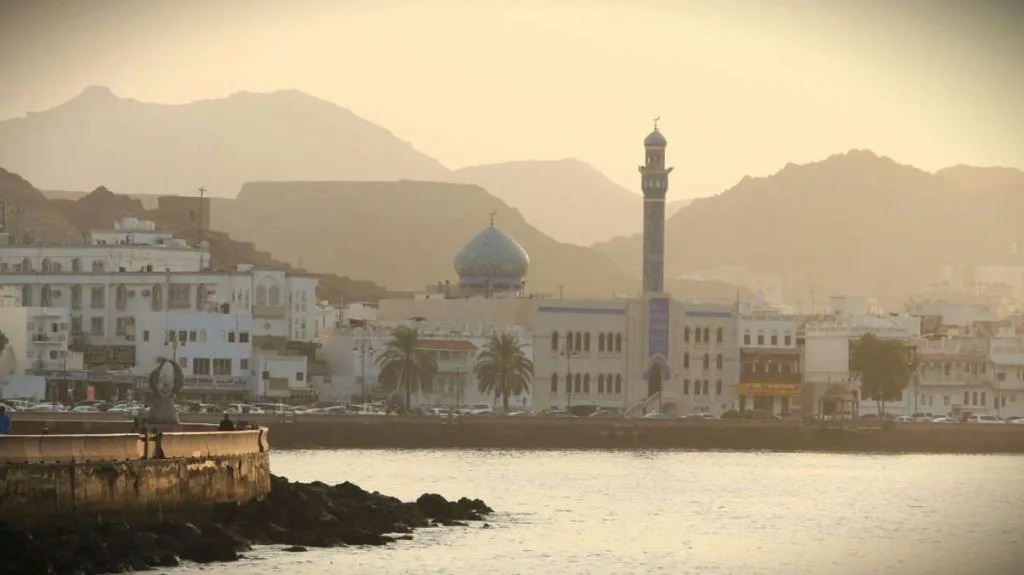
A musandam fjords snorkeling tour operates year-round from Muscat, but water temperature, sea conditions, and visibility swing dramatically across Oman's calendar. October marks the threshold where European and Gulf visitors begin booking again—and for good reason: visibility jumps to 20+ meters, water sits at a comfortable 26°C, and the khareef monsoon's effects fade entirely. This guide decodes the seasonal rhythm that separates a mediocre snorkeling experience from an unforgettable one, plus how Ramadan, school holidays, and booking windows affect availability and pricing.
Why Seasonal Timing Matters for a Musandam Fjords Snorkeling Tour
Musandam Peninsula's underwater environment is not static. The Gulf of Oman exchanges water with the Arabian Sea seasonally, bringing cooler currents, nutrient upwelling, and visibility swings that reshape your snorkeling experience week by week. Unlike desert tours that tolerate heat year-round, a musandam fjords snorkeling tour depends on three non-negotiable factors: water clarity, sea state (wave height and current strength), and air temperature for shore comfort.
Between May and September, the khareef monsoon weakens the northeast trade winds, but Musandam—sitting north of the main monsoon belt—experiences the inverse: calmer seas but warmer, murkier water from stagnant conditions and plankton blooms. Visibility often drops to 3–8 meters. Water temperature climbs to 31–33°C, which sounds pleasant until you realize heavy snorkeling exertion in that heat exhausts you faster. Most tour operators reduce frequency or pause entirely. By contrast, October through April is the sweet spot: visibility 15–25 meters, water 23–28°C, stable weather, and full operator capacity.
Ramadan adds a layer: boat departures shift to post-sunset times (after 7 p.m. in April, 6 p.m. in March), reducing daylight underwater time. Tour guides and crew observe fasting, affecting energy and attentiveness during peak hours. Booking a musandam fjords snorkeling tour during Ramadan requires flexibility and advance notice.
Peak Season: October to April — Your Window for Optimal Conditions
The high season spans six months, split into two sub-seasons with distinct character:
October–November: Shoulder Season Opening
Visibility rebounds rapidly—18–22 meters by late October. Water temperature hovers 26–28°C. Air temps drop from summer's oppressive 40°C+ to a mild 32–35°C. Fewer tourists mean smaller group boats and easier parking at Muscat marina. This is the window when Germans, Brits, and Scandinavian travelers book their Oman itineraries. Hotels fill up weeks in advance, but tour operators have capacity. A musandam fjords snorkeling tour during this window costs standard rates with less negotiation pressure.
December–February: High Season Peak
Christmas holidays (mid-December to early January) bring families and groups. European school breaks align with mild weather: daytime highs 28–32°C, lows 18–22°C. Visibility remains excellent (20–25 meters). Water is warm enough for snorkelers without wetsuits, cool enough for comfort during exertion. This is when operators charge peak rates and book 2–3 weeks ahead. A musandam fjords snorkeling tour during late December sells out fastest.
March–April: Shoulder Season Closing
Still excellent conditions (visibility 18–23 meters, water 24–27°C), but Easter holidays and the final European winter-escape window create two peaks: late March (Easter school breaks) and mid-April (spring vacations). After mid-April, advance bookings drop as Northern Hemisphere travelers shift to European summer holidays.
Khareef Monsoon Impact: June–September Realities
June through September is technically "low season," but Musandam's isolation from the main khareef monsoon (which hammers Salalah, 500 km south) means snorkeling doesn't shut down—it just becomes unpredictable. Water temperature climbs to 31–33°C. Visibility nosedives to 4–10 meters due to algal blooms and reduced water turnover. Sea state can shift from glassy calm to choppy within hours. Many tour operators reduce boat schedules to once or twice weekly, and prices drop 15–25% to fill seats.
Ramadan typically falls in March–April in 2024–2025, but drifts earlier each year. When Ramadan aligns with summer (as it does in 2025 and 2026), a musandam fjords snorkeling tour operates on delayed schedules, with boats departing after 7:15 p.m. (post-iftar) on many days. Sunset is around 7:00–7:15 p.m. in those months, meaning you snorkel in twilight or darkness. Night snorkeling can be magical but requires torches and deeper experience.
Khareef impacts local infrastructure, too: occasional road closures on the coastal drive from Muscat (2.5–3 hours), rough harbor conditions, and guide fatigue from less ideal work. A musandam fjords snorkeling tour in August, though cheaper, carries logistics risk.
Month-by-Month Breakdown: Visibility, Temperature & Booking Windows
January
Visibility: 20–24 m | Water: 23–25°C | Air: 28–30°C | Booking window: 3–4 weeks ahead
Peak holiday period. Reserve early. Conditions are pristine. European families dominate. Standard operator rates apply.
February
Visibility: 19–23 m | Water: 23–26°C | Air: 29–33°C | Booking window: 2–3 weeks ahead
Late winter escape still strong. Slightly fewer tourists than January. Excellent conditions persist. Last chance before spring holidays compress availability.
March
Visibility: 18–22 m | Water: 24–27°C | Air: 31–36°C | Booking window: 2–3 weeks ahead (Easter); 1 week off-peak
Easter school holidays (dates vary). Ramadan overlaps in 2024 (March 11–April 9), shifting some tour times post-sunset. Book early if Easter aligns; flexibility pays off mid-March.
April
Visibility: 17–21 m | Water: 26–28°C | Air: 33–39°C | Booking window: 1–2 weeks ahead
Spring vacations in Northern Europe pull tourists through mid-April. Late April sees demand cliff as summer holidays beckon elsewhere. Ramadan may extend into early April (2026), further constraining daylight hours on tours.
May
Visibility: 12–18 m | Water: 29–31°C | Air: 38–42°C | Booking window: walk-in or 3–5 days ahead
Summer begins. Khareef system weakens conditions. Water warms rapidly. Air heat intensifies. Fewer European tourists; operators accommodate walk-ins. Prices drop 10–20%.
June–August
Visibility: 4–10 m | Water: 31–33°C | Air: 39–42°C | Booking window: same day or day before
Low season. Khareef-adjacent stagnation reduces visibility dramatically. Few tourists; local and regional visitors dominate. Operators run boats 1–2× weekly. Ramadan in these years delays departures post-sunset. Budget hotels and tours drop 20–30%. Night snorkeling becomes an option for experienced swimmers.
September
Visibility: 8–14 m | Water: 31–32°C | Air: 37–40°C | Booking window: same-day or 2–3 days
Khareef tail end. Conditions begin stabilizing. Visibility creeps up. Water remains warm. Tourism ramps as Ramadan ends and school preparations begin. Prices still 10–15% below peak.
October
Visibility: 16–21 m | Water: 28–30°C | Air: 33–36°C | Booking window: 1–2 weeks ahead
Season reopens officially. Visibility rebounds sharply. Tourism resumes. Early-bird European families plan Ramadan-adjacent trips (Ramadan 2025 ends Oct 1). Prices rise 10–15% toward peak. Booking 1–2 weeks ahead recommended.
November
Visibility: 19–23 m | Water: 27–29°C | Air: 31–34°C | Booking window: 2–3 weeks ahead
Ramadan 2026 (late Feb) begins holiday booking surge. Thanksgiving week (US) and half-term (UK) drive group bookings. Conditions excellent. Competitive pricing as operators fill calendars.
December
Visibility: 20–25 m | Water: 25–27°C | Air: 29–32°C | Booking window: 3–4 weeks ahead; last seats 1 week
Christmas holidays. Busiest month. Families, couples, and groups book 3–4 weeks out. Smaller independent tours sell out by late November. Expect premium rates.
Ramadan & Public Holiday Impacts on Musandam Fjords Snorkeling Tour Scheduling
Ramadan affects a musandam fjords snorkeling tour in three concrete ways:
Departure Time Shifts
During fasting hours (roughly sunrise to sunset), boat operators honor Islamic custom by delaying departures. In March (Ramadan 2024, 2025), sunset is around 6:00–7:00 p.m. Most tour operators delay departures to 6:30 p.m. or 7:00 p.m., reducing snorkeling daylight to 1–2 hours before dusk. Night snorkeling follows, which is spectacular for bioluminescence and nocturnal species but requires comfort in low-light conditions and experience with torches.
Crew Fatigue & Reduced Capacity
Guides and captains fast during Ramadan. Energy levels drop, especially in afternoon heat. Some operators reduce group sizes to maintain safety standards and guide attentiveness. Book early; capacity shrinks.
Restaurant & Lunch Changes
If your tour includes a beach lunch or shore meal, restaurants may close during fasting hours or serve limited menus post-iftar. Pack snacks or confirm meal arrangements when booking a musandam fjords snorkeling tour during Ramadan.
Other public holidays affecting tourism:
Oman National Day (November 18)
Schools and offices close November 18–19. Long weekend bookings surge 1–2 weeks ahead. Prices hold steady; availability compresses.
Islamic New Year & Prophet's Birthday
Dates shift annually. Public holidays last 1–2 days. Regional travelers book; no impact on Western tourists' schedules. Minimal pricing effect.
School holidays in Europe and the Gulf (Easter, summer, Christmas) create booking spikes independent of Ramadan. A musandam fjords snorkeling tour during UK Easter (late March/early April) or German summer breaks (mid-July, but low-season visibility) requires planning 3–4 weeks ahead.
Booking Windows & Price Dynamics Throughout the Year
The timing of your booking affects both price and availability more than you might expect. Tour operators use dynamic pricing: high-demand windows see rate increases; low-demand periods offer discounts.
Peak Season Booking (Oct–Apr): 2–4 Weeks Ahead Required
December–January: book 3–4 weeks prior. March (Easter): book 2–3 weeks prior. Late April (spring holidays): book 1–2 weeks prior. Operator calendars fill by the Sunday before a major holiday week. A musandam fjords snorkeling tour booked last-minute in peak season may sell out entirely. Prices reflect demand: standard operator rates with no negotiation. Group discounts (6+ people) are possible but rare.
Shoulder Season Booking (Oct–Nov, Mar–Apr): 1–3 Weeks Ahead
Early October and late November see moderate demand. Booking 1–2 weeks ahead secures seats. Mid-March (outside Easter) and mid-April (outside school holidays) see softer demand; same-week bookings are possible. Prices stay near peak but may have 5–10% discounts for flexible dates.
Low Season Booking (May–Sep): Walk-In to 3–5 Days
Operators welcome same-day or next-day bookings. A musandam fjords snorkeling tour in July costs 15–25% less than December. Prices drop as departure dates approach—booking a week out may yield 10% less than booking a month ahead. Small group discounts (4–6 people) materialize more easily. Operators have capacity and flexibility.
Ramadan Booking: 2–3 Weeks Ahead or Flexible Rescheduling
Tour availability tightens slightly (reduced capacity). Book 2–3 weeks ahead for guaranteed slots. If Ramadan aligns with other holidays (e.g., Easter 2025 overlaps early Ramadan), book even earlier. Consider rebooking flexibility; some operators offer free rescheduling if Ramadan timing disrupts your preferred departure window.
Getting to Muscat & Musandam: Seasonal Transfer Logistics
Most a musandam fjords snorkeling tour operators depart from Muscat harbor (Khor, Old Town), requiring you to arrive in Muscat from Dubai, Abu Dhabi, or international flight. Transfer timing and cost vary slightly by season, though prices remain fixed year-round.
Dubai to Muscat Transfers
Standard sedan: OMR 110 (~$286 USD)
Full-size SUV: OMR 150 / USD 390 / AED 1430
Minivan (6 pax): OMR 165 / USD 430 / AED 1570
Luxury Mercedes: OMR 180 / USD 470 / AED 1720
Duration: 5.5–6.5 hours (border crossing adds 30–60 min depending on traffic).
Abu Dhabi to Muscat Transfers
Standard sedan: OMR 110 / USD 285 / AED 1045
Duration: 6–7 hours (E11 highway via Al Ain).
Peak-season traffic (Dec–Jan, Easter) can extend drive times by 1–2 hours at borders. Depart Dubai/Abu Dhabi early morning (7–8 a.m.) to reach Muscat by early afternoon, allowing hotel check-in and tour briefing. Low-season transfers see faster border crossings.
If arriving at Muscat International Airport, arrange a sedan airport transfer (OMR 18 / USD 47 standard, or OMR 30 / USD 78 luxury) to your hotel or directly to the marina. Most snorkeling tours depart Muscat harbor at 8:00 a.m. or (in Ramadan) 6:00–7:00 p.m.
What to Expect: Seasonal Conditions on Your Musandam Fjords Snorkeling Tour
Your actual snorkeling experience depends heavily on when you book. Here's what seasonal timing means underwater:
October–April (Peak Visibility & Comfort)
You'll see fish schools at 15–25 meters depth, including groupers, emperors, snappers, and the occasional turtle or reef shark. Soft coral and hard coral formations are crisp and colorful under strong sunlight filtering through clear water. Water temperature 23–28°C allows 3–4 hours continuous snorkeling without a wetsuit (though a 3mm rashguard aids sun protection). A musandam fjords snorkeling tour in February feels effortless—calm seas, small groups, and your guide can explain species without struggling against currents.
May–September (Reduced Visibility, Longer Days, Smaller Groups)
Plankton blooms turn water green-tinted; visibility drops to 4–10 meters. You see the same fish species but must approach closer to identify them. Soft corals lose their brilliance under murkier light. Compensations: fewer tourists mean intimate guide attention, potentially cheaper rates (15–25% discounts), and unique night snorkeling under torchlight during June–August. Water temperature 31–33°C can exhaust you mid-tour; take frequent surface breaks.
Ramadan During Summer (June–August)
A musandam fjords snorkeling tour departing at 7:00 p.m. post-iftar means snorkeling in twilight or darkness. Bioluminescent organisms glow under red-filtered torches. It's otherworldly but requires prior night snorkeling experience. Water remains very warm (32–33°C). Guides are post-fasting and energized, creating excellent social atmosphere.
Practical Seasonal Packing & Preparation Tips
October–April Packing
Bring: reef-safe sunscreen (SPF 50+), rash guard (3mm or UV shirt), light wetsuit if diving deeper, hat/towel for shore rest, and a light jacket for cool evenings (18–22°C). Water temperature 23–28°C is cool enough that a 3mm or 5mm shorty wetsuit adds comfort for 4+ hour sessions, especially for women and those with lower cold tolerance.
May–September Packing
Bring: high-SPF reef-safe sunscreen, light UV rash guard, minimal gear (even shorts and a t-shirt suffice given the heat), and plenty of water beyond the tour operator's supply. Water temperature 31–33°C can cause heat exhaustion during intense snorkeling. A lightweight sun hat and cooling towel help on shore breaks.
Year-Round Essentials
Snorkeling mask and fins (many operators rent, but personal gear ensures fit). Waterproof phone case. Dry bag for valuables. Lunch (unless included—confirm when booking). Seasickness medication if prone (even calm Musandam waters can surprise sensitive stomachs; ginger tablets help). Underwater camera (GoPro performs best in peak-season clear water; low-season murk reduces video quality).
Booking Your Musandam Fjords Snorkeling Tour: Step-by-Step Timeline
Step 1: Choose your travel window based on the month-by-month guide above. If European, align with school holidays (mid-April spring, July–August summer, mid-December winter). If Gulf-based, Ramadan (fasting month) offers discounts but requires flexibility.
Step 2: Secure accommodation in Muscat. Peak season (Dec–Jan) books 4–6 weeks ahead. Off-peak (May–Sep) can be same-week. Budget hotels in Old Muscat or near the harbor suit early departures.
Step 3: Arrange transfers. If coming from Dubai/Abu Dhabi, book a sedan transfer (OMR 110 (~$286 USD) from Dubai) at least 2–3 days ahead to ensure driver availability. Peak-season traffic requires early departure (6:30–7:00 a.m.) to hit Muscat by 1:00–2:00 p.m.
Step 4: Book the tour 2–4 weeks ahead for peak season (Oct–Apr), 1–2 weeks for shoulder season (Oct–Nov, Mar–Apr), or same-week for low season (May–Sep). Contact operators via WhatsApp (fastest response) or email for musandam fjords snorkeling tour quotes. Include preferred date, group size, and any special requests (underwater photography, night snorkeling, dietary needs).
Step 5: Confirm final logistics: pickup time/location, what's included (lunch, snacks, equipment), payment terms, and cancellation policy. Weather-related cancellations (rare but possible in June–August rough seas) should offer rebooking or refunds. In Ramadan, confirm exact departure time (post-sunset) and meal arrangements.
Step 6: Prepare 2–3 days before: lay out snorkeling gear, pack sunscreen/hat, refill prescriptions (antihistamines for sea urchin stings are rare but wise), and eat well the night before (fasting tours can feel tiring).
Final Thoughts: Best Overall Booking Window
If you have flexibility, book a musandam fjords snorkeling tour for October, November, February, or March. These months offer the "sweet spot": excellent visibility (18–24 meters), comfortable water temperature (24–28°C), mild air temperatures (31–36°C), and reasonable booking windows (1–3 weeks ahead). March requires Easter holiday awareness; October requires holiday-week vigilance. November and February slip under the radar with stellar conditions and shorter booking windows (2–3 weeks), giving you more flexibility than peak December or January.
For budget travelers, May through September yields 15–30% savings but trades visibility and potentially requires same-week or next-day booking flexibility. Ramadan (March in 2024–2025, rotating earlier thereafter) demands 2–3 week advance planning and acceptance of post-sunset departure times if it aligns with summer months.
Frequently Asked Questions
What's the best month for a musandam fjords snorkeling tour?
February, October, and November offer the best balance: visibility 18–24 meters, water temperature 24–28°C, and smaller crowds than December–January. March is excellent too but Easter holidays compress availability. December–January have pristine conditions but require booking 3–4 weeks ahead. If you prioritize weather and ease of booking, aim for October or November.
Can I snorkel during Ramadan?
Yes, but with caveats. During Ramadan, boats typically depart post-sunset (6:00–7:30 p.m. depending on month), reducing daylight snorkeling to 1–2 hours and shifting to twilight or night snorkeling with torches. Guides observe fasting and may have reduced energy levels afternoon. Book 2–3 weeks ahead and confirm exact departure times. If Ramadan falls in summer (June–August in 2025–2026), expect low visibility (4–10 m) plus evening departure timing, making it a more specialized night snorkeling experience.
How far in advance should I book a musandam fjords snorkeling tour?
Peak season (December–January, Easter): 3–4 weeks ahead. Shoulder season (October–November, March–April off-holiday): 1–2 weeks. Low season (May–September): same-day to 3–5 days is typical. Ramadan or public holidays: 2–3 weeks to guarantee slots. Contact us on WhatsApp for real-time availability.
What's the visibility difference between seasons?
Peak season (Oct–Apr): 15–25 meters—you see fish clearly at depth and colors are vibrant. Low season (May–Sep): 4–10 meters—plankton blooms reduce clarity, requiring closer approaches to identify species. Peak-season snorkeling is more visually rewarding; low-season trips are more intimate with smaller groups and lower prices.
Do I need a wetsuit for a musandam fjords snorkeling tour?
October–April: optional. Water is 23–28°C; many snorkelers wear a 3mm rashguard or shorty wetsuit for comfort on 3–4 hour outings, especially women. May–September: water is 31–33°C—a wetsuit is unnecessary and may cause overheating. Reef-safe sunscreen is essential year-round. Bring a light UV rash guard to prevent sun burn and jellyfish contact.
What are the exact costs for a musandam fjords snorkeling tour from Muscat?
Tour pricing varies by operator and season; contact us for a custom quote. If traveling from Dubai, factor in transfer costs: sedan OMR 110 (~$286 USD). From Abu Dhabi: sedan OMR 110 / USD 285 / AED 1045. Airport sedan transfer to hotel: OMR 18 / USD 47 standard. Reach out via WhatsApp for full package pricing including snorkeling, lunch, and transfers combined.
Ready to plan your seasonal musandam fjords snorkeling tour? Timing is everything—book your window early and avoid disappointment. Need help planning your trip? Contact us on WhatsApp for instant assistance.
Book on WhatsApp📱 Book Your Tour Online
Get instant confirmation — WhatsApp reply in 15 minutes