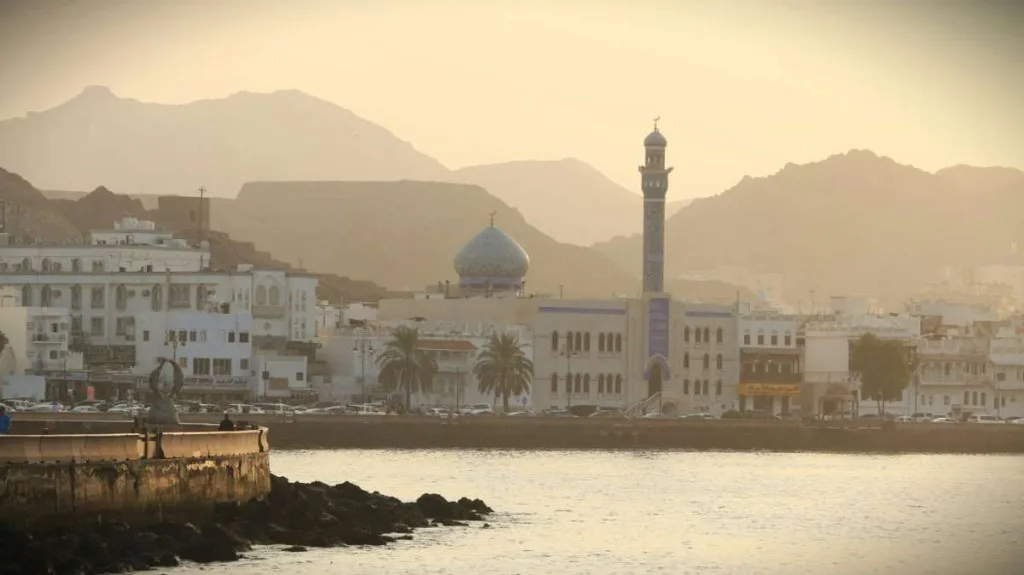
Solo travelers booking a day trip from Muscat in July face 48°C heat, closed midday attractions, and Ramadan fasting etiquette challenges—yet October visitors enjoy 32°C, full-day schedules, and OMR 89 Wadi Shab tours with guaranteed daylight. Timing isn't just about weather: it shapes availability, pricing, cultural fit, and whether you'll actually enjoy the experience. This guide maps every month's window for solo exploration, from peak season bookings to shoulder-month sweet spots and complete avoidance periods.
Why Seasonal Timing Matters More Than Route Choice
Most solo travelers arriving in Muscat ask: "Which day trip should I book?" The smarter question is: "When should I book it?" A Wadi Shab day trip (from OMR 60 / about USD 156) booked in February means 7 hours of comfortable hiking with sunrise light; the same tour in August becomes a dangerous 4-hour midday sprint, often curtailed by heat. Similarly, Wahiba Sands overnight camping (OMR 129 / USD 129) transforms from magical desert silence in November to uncomfortable sweat-lodges in June.
For solo travelers, seasonal timing also affects logistics. Traveling alone means you're more exposed to extreme conditions—no group to share water, no shared transport costs if a tour cancels, and no companion backup if you fall ill. Choosing the right season isn't luxury; it's safety and value protection.
Beyond comfort, seasonality impacts what you'll actually see. Khareef (monsoon) season in Salalah transforms the southern coast into a green paradise—but it's a 6-hour drive from Muscat and requires monsoon-specific packing. Jebel Akhdar day trips (OMR 119 / USD 119) are open year-round, but winter months (Dec–Feb) offer clear summit views; summer haze reduces visibility to 2 km.
October to April: The Golden Window for Solo Day Trips
October to April is Oman's peak season—and for solo travelers, it's non-negotiable. Daily temperatures range from 28–35°C (82–95°F), humidity drops below 60%, and every attraction maintains full operating hours. Most critically, this window includes zero Ramadan overlap in most years, meaning restaurants, cafes, and guides operate normally around you.
October–November (early season) marks the transition from summer heat. Daytime temps hit 32–34°C—still warm, but sweatable without heat stroke risk. Airport humidity (45–50%) makes hiking genuinely pleasant. Solo travelers in October enjoy:
- Wadi Shab day trip (from OMR 60 / about USD 156): Water temperature ~26°C, ideal for the final swim without hypothermia risk or overheating on trail.
- Jebel Akhdar day trip (OMR 119 / USD 119): Afternoon clouds roll in around 4 PM, cooling the summit walk. Visibility 8–10 km, photography-friendly.
- Muscat city half-day tour (OMR 45 / USD 45): You can actually walk Al Alam Palace gardens and the Old Souk without retreat-to-hotel exhaustion by noon.
- Availability: Tours run on published schedules. No cancellations due to heat warnings. Hotel bookings remain flexible (mid-range rates OMR 35–50/night).
December–February (peak winter): This is Oman's sweetest window. Daytime highs 26–28°C, nights 15–18°C, humidity 35–45%. European visitors (UK, Germany, France) fleeing winter find Muscat's climate identical to their autumn. This period includes:
- Wahiba Sands day trip or overnight (OMR 129 / USD 129): Nights dip to 12°C—comfortable for desert camping without a sleeping bag, but you'll appreciate a light blanket. Sunrise and sunset last 45 minutes each, maximizing photography. Sand temperatures stay under 45°C, safe for barefoot walking.
- Jebel Shams day trip (OMR 125 / USD 125): The Grand Canyon of Oman reveals full depth with winter clarity. Zero heat mirages. Palo Alto–like afternoon winds cool hiking without fatigue.
- Nizwa day trip (OMR 69 / USD 69): The Friday cattle market (Oct–May only) coincides with peak season. Solo travelers can linger at the souk (entry OMR 20) without heat pressure. Auction timing runs 7–11 AM, perfectly aligned with comfortable morning hours.
- Booking window: December–January books 2–3 months ahead. February remains flexible (2–4 weeks notice). Private driver full-day hire (OMR 75 / USD 195 sedan) costs the same year-round but feels infinitely more comfortable at 26°C vs. 48°C.
March–April (late spring): Temps climb to 35–38°C, but remain manageable for early starts. This shoulder period sees fewer tourists (20–30% fewer than peak Jan–Feb), so:
- Wadi Shab tours feel less crowded—solo hikers encounter 5–8 others vs. 20+ in January.
- Private driver negotiations soften: OMR 75 full-day sedan rate may flex toward OMR 70 for multi-day bookings.
- Jebel Akhdar morning hikes (depart 6:30 AM) finish by 1 PM, before peak heat. The 2,000 m elevation means base temps 8–10°C cooler than sea level.
- Salalah Khareef day trip (OMR 99 / USD 99) becomes viable in late April: pre-monsoon moisture greens the landscape, but true monsoon (June–Aug) hasn't started.
May to September: Avoidance, Ramadan, and Logistics Chaos
May to September is Oman's off-season for a reason: temperatures exceed 45°C, humidity climbs to 70–80%, and Ramadan typically falls during this window (dates shift ~11 days earlier annually). For solo travelers, this period combines three compounding risks: heat, cultural adjustment, and operational disruption.
May–June (late spring heat): Daytime temps 42–46°C, humidity 60–70%. Most Oman tour operators reduce schedules:
- Wadi Shab tours often move to 5–10 AM starts, finishing by 11 AM. The wadi's cool water (22°C) becomes essential relief, not luxury. Solo travelers unprepared for the heat face dehydration risk on the 2 km approach hike.
- Wahiba Sands overnight trips effectively pause. Temperatures at 3 PM exceed 50°C. Even Bedouin guides recommend air-conditioned resorts instead. Camping becomes genuinely unsafe for solo travelers without heat-illness experience.
- Jebel Akhdar and Jebel Shams hikes close or restrict to 5 AM–10 AM windows. A OMR 119 / USD 119 day trip becomes a half-day sprint, canceling the value proposition.
- Muscat city tours compress into 7–8 AM departures. The Old Souk's narrow alleys trap heat; the Al Alam Palace gardens offer no shade. Solo travelers report genuine physical exhaustion by 10 AM.
Ramadan (typically April–May through Oct–Nov depending on lunar calendar): When Ramadan overlaps summer (as it does every 11 years), the impact on solo travelers intensifies dramatically:
- Restaurant hours collapse: Cafes close 6 AM–6 PM (fasting hours). Eating or drinking publicly is culturally offensive. Solo travelers can't book "meal budget mid (OMR 35)" for lunch; you must eat before dawn or after sunset, constraining day-trip logistics.
- Guide availability shrinks: Many guides fast during Ramadan, reducing energy for full-day tours. Even OMR 45 / USD 45 muscat city half-day tours may run with less animated interpretation.
- Attraction hours shift: Some museums (Sultan's Palace, Museum of Oman) shorten to 9 AM–1 PM. Opening times shift later (8–9 AM instead of 7 AM).
- Accommodation pricing spikes: Hotels in Muscat during Ramadan often increase rates 10–20% due to domestic religious tourism. Budget OMR 50+ for a basic hotel, vs. OMR 35–40 in off-peak months.
- Cultural etiquette essential: Solo travelers (especially women) should dress more conservatively (long sleeves, knee-length skirts). Tour guides become stricter about behavior norms. European visitors accustomed to casual dress should prepare mentally.
July–August (peak summer): Absolute avoidance period. Muscat hits 47–50°C. Humidity exceeds 75%, making "feels like" temperatures approach 55°C. Most major attractions close 12–4 PM due to heat. Tour operators drastically reduce schedules:
- Wahiba Sands tours stop entirely. Resort-based "overnight" experiences may still operate but feel more like air-conditioned hotel stays with window views of the desert.
- Wadi Shab becomes 6–7 AM only, with 9 AM cutoff. The 2 km hike in 48°C heat poses heat-stroke risk even for fit solo travelers.
- Private driver rates don't drop; they stay OMR 75 / USD 195 full-day sedan. But you're paying for air-conditioned refuge, not exploration. Every stop involves 50-meter dashes between car and attraction.
- European airlines (Lufthansa, KLM, British Airways) operate on summer schedules, so hotel and tour demand remains moderate—but that reflects locals and business travelers, not tourists.
September (pre-monsoon transition): Temperatures start dropping (38–42°C), but Ramadan often overlaps. This month combines worst elements: lingering heat, fasting, and pre-monsoon humidity (70–75%). Unless Ramadan ends early in August, September remains sub-optimal for solo day trips from Muscat.
Salalah Khareef Season: June–August Monsoon Window
Salalah, 1,000 km south of Muscat, experiences Khareef (monsoon) from June through August—the inverse of Muscat's calendar. This is Oman's unique seasonal flip:
- June–July Khareef peak: Salalah temps drop to 28–32°C (vs. Muscat's 45–48°C). Constant drizzle keeps the landscape emerald-green. Waterfalls flow year-round. Limestone cliffs wear mist. This is the *only* time Salalah resembles a monsoon paradise.
- Salalah Khareef day trip (OMR 99 / USD 99): Tours depart Muscat 5–6 AM, arrive Salalah 11 AM, explore 12–5 PM, return 5–10 PM (11–13 hour day). In Khareef season, the landscape justifies the marathon; the green frankincense trees and mist-shrouded wadis are worth the drive. In non-monsoon months (Sept–May), Salalah is dusty and brown—visually underwhelming for the travel time.
- Salalah package 3-day (OMR 250 / USD 650): Only worthwhile June–August. December–May offers the same sites at cooler temps but drier scenery. Solo travelers should time a Salalah expedition for June–July specifically.
- Ramadan caveat: If Ramadan falls June–July (as it does every ~10 years), Khareef season still occurs, but restaurant/guide availability shrinks further. Book guides pre-Ramadan or wait until monsoon ends.
Conversely, Salalah outside Khareef (Sept–May) becomes a long drive for modest returns. The same Salalah Khareef day trip (OMR 99 / USD 99) in March feels overpriced—you're driving 7 hours to see brown wadis and closed frankincense farms. Unless you pair it with a multi-day package (Oman 3-day OMR 115 / USD 299, or 5-day OMR 220 / USD 572), the solo day trip doesn't justify logistics.
Booking Timing: When to Reserve, When to Negotiate
Seasonal timing extends beyond "what month to travel"—it shapes when you should book:
Peak season (Dec–Feb): Book 6–8 weeks ahead. Hotels fill. Private drivers (OMR 75 / USD 195 full-day sedan) book 2–3 weeks ahead. Wadi Shab tours (from OMR 60 / about USD 156) often run at 90% capacity. Wahiba Sands overnight (OMR 129 / USD 129) requires 3-week advance notice to guarantee desert camp accommodation. Do not wait—book the moment your flights confirm.
Shoulder season (Oct–Nov, Mar–Apr): Book 3–4 weeks ahead. Prices stay stable (no discounts). Availability remains comfortable (tours at 60–70% capacity). Tours rarely cancel. This is the sweet spot for last-minute Europeans landing in Muscat with flexible schedules: you can often book a day trip 7–10 days in advance without premium rates.
Off-season (May–Sep, Ramadan): Book 1–2 weeks ahead. Tours run at 30–50% capacity. Prices don't drop significantly—the cost of operating tours remains constant. However, private driver rates may flex downward (OMR 75 full-day may negotiate to OMR 65 for multi-day bookings) due to low demand. Group tour cancellations occur if fewer than 3 participants register; plan alternatives.
How to book strategically: Contact OmanTour via WhatsApp at +968 9468 1176 or email [email protected] with your travel dates and preferred tours. State your season explicitly: "I'm arriving Dec 20 for peak season" vs. "I'm traveling in August during heat
Frequently Asked Questions
Is Oman good for solo travellers?
Yes — Oman is consistently recommended for solo travellers. Safety is exceptional, English is widely spoken in tourist areas, and the culture is genuinely welcoming. Solo female travellers report feeling very comfortable in Oman.
How do solo travellers get around Muscat?
Private car hire is the most practical — solo travellers pay the vehicle rate from OMR 55/day. Careem ride-hailing works within Muscat for short trips. For day trips to wadis and mountains, a private driver is essential as there is no public transport.
Is Oman safe for solo female travellers?
Yes — Oman is one of the safest Middle Eastern destinations for solo female travellers. Harassment is very rare. Modest dress (covered shoulders and knees) in public areas is appropriate and appreciated, but not aggressively enforced.
Can solo travellers share a private car with others in Oman?
Contact OmanTour to enquire about joining other travellers for shared departures. This reduces the per-person cost significantly — Wadi Shab shared between 4 people costs OMR 15/person (~$39 USD) versus OMR 60 for a solo private vehicle.
What are the best day trips for solo travellers from Muscat?
Wadi Shab (canyon swimming, social atmosphere at the pools), Nizwa Fort (compact and manageable alone), and Mutrah Souq and Corniche (easy self-navigation). For multi-day trips, a private driver provides safety and local knowledge.
How much does solo travel in Oman cost per day?
Budget: OMR 30–40/day (budget hotel, local food, shared transport). Mid-range: OMR 70–120/day (3-star hotel, private day trip). The main variable is transport — sharing a private car with others significantly reduces daily costs.
📱 Book Your Tour Online
Get instant confirmation — WhatsApp reply in 15 minutes