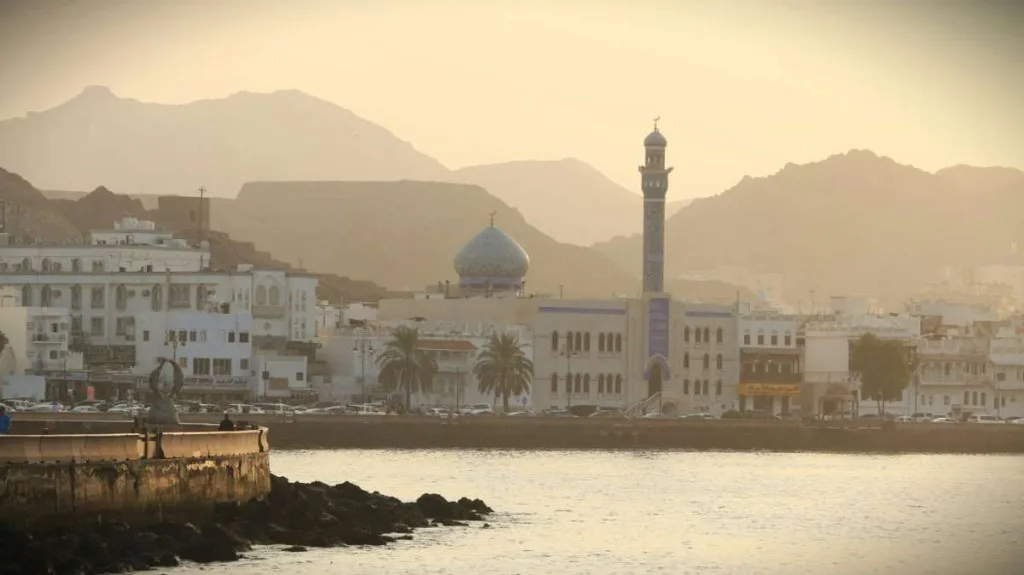
Indian tourists visiting Muscat need to book day trips 4–6 weeks ahead during October–March, when temperatures drop to 20–28°C and demand peaks. Avoid June–August entirely: mercury hits 45°C+, attractions close mid-afternoon, and hotels empty out. Ramadan (March 2025) reshapes meal timing and shop hours, while the June–September khareef season transforms southern Oman into a misty highland escape—but road closures and flash floods demand flexibility. This guide maps the exact windows when each Muscat-based excursion works best, with pricing locked in and no surprises.
The October–March Sweet Spot: India's Winter Peak
October through March is non-negotiable for Indian travellers. The Gulf heat has broken. Muscat's humidity—notorious September–May—finally drops below 70% by late October. Average highs hover at 25–28°C, and mornings can dip to 16–18°C, making long day trips genuinely enjoyable rather than endurance tests.
This 6-month window is also when Indian tourists book in volume. International schools across India follow October half-term and December holidays, and business travel from Delhi, Mumbai, and Bangalore surges. Hotels in Muscat fill up; tour operators' calendars lock by August. If you're planning an October–November trip, contact us by mid-August for guaranteed slots on popular routes:
- Nizwa Day Trip: OMR 69 / USD 69 per person. Best months: October, November, February, March. Route: Muscat → Nizwa Fort (1.5 hrs) → traditional souq → nearby Jebel Shams viewpoint. Expect 50–70 other tourists on the road but manageable crowds at dawn.
- Wadi Shab Day Trip: OMR 25 per person / about USD 65 (seasonal, subject to availability). October–March only. The wadi pools (where you swim through canyon narrows) are safe only when water temperature sits above 18°C and flash-flood risk is near zero. April onwards, heat and sporadic rains make it unsafe.
- Wahiba Sands Desert Day Trip: OMR 129 / USD 129 per person. November–February is peak: sand surface cools overnight, dunes glow amber at sunrise, camel rides are pleasant. By May, sand temperatures exceed 60°C by 11 a.m.—even Bedouin guides shorten trips.
- Jebel Akhdar Day Trip: OMR 119 / USD 119 per person. October–March. Elevation (1,000 m) means 8–10°C cooler than sea-level Muscat. Spring blooms (pomegranate, walnut) peak February–March. June–September, sudden thunderstorms and mist block views entirely.
- Jebel Shams Day Trip: OMR 125 / USD 125 per person. October–April. The "Grand Canyon of Oman" is a full-day 4×4 climb; roads get washed out or closed July–September.
Private driver option: Hire a sedan full-day at OMR 75 / USD 195 or an SUV full-day at OMR 90 / USD 234 if you want flexibility to linger at photo spots or skip crowded junctions.
April–May: The Shoulder Squeeze and Why You Should Skip It
April and May are the cruelest months for Muscat day trips. Humidity climbs back above 70%. Temperatures rise to 35–40°C mid-day, yet it's not yet hot enough to trigger the khareef rains in the south. Tourist crowds from Easter and school breaks clog roads, but attractions remain open on normal hours—there's no advantage.
If you're forced to travel in April–May (visa constraints, flight deals, family obligations), limit yourself to:
- Muscat City Half-Day Tour: OMR 45 / USD 45 per person. Early morning (6–7 a.m. start) to beat heat. Cover Sultan Qaboos Grand Mosque, Al Alam Palace waterfront, Mutrah Corniche. Back by noon.
- Half-day private driver: OMR 55 / USD 143. Air-conditioned sedan; you set the pace.
Do not attempt Wahiba Sands, Jebel Akhdar, or high-altitude routes in May. Sand and rock surfaces are too hot for safe trekking.
June–August: The Hard Shutdown and European Bargains
June–August is when Muscat becomes a ghost town. Temperatures peak at 42–48°C; humidity exceeds 90%. A 30-second walk from a car to a shop entrance can trigger heat exhaustion. Major attractions—souqs, heritage sites, water activities—either close mid-afternoon or operate skeleton hours. Hotel rates drop 40–50%, but filling those beds with families is impossible.
Most tour operators, including ours, do not publish summer day-trip schedules. Guides prioritize family time in cooler home countries. If you absolutely must visit Muscat in summer (work secondment, emergency family visit), we can arrange private airport transfers and hotel-to-mall shuttles, but outdoor day trips are dangerous and ethically inadvisable.
One exception: Salalah Khareef Day Trip (OMR 99 / USD 99 per person) operates June–August and only June–August. The khareef monsoon brings 90% humidity, but also temporary waterfalls, lush green hills, and temperatures 10–15°C cooler than Muscat. However, coastal roads can flood; visibility drops to 20 meters in mist; tours must cancel if rains intensify overnight. Book this only if you're flexible on dates (7–10 day buffer) and want a once-in-a-lifetime landscape.
Salalah Khareef logistics from Muscat: 10-hour drive each way (1,000 km) or 1-hour flight. Combining a day trip with overnight stay is more practical:
- Salalah 3-Day Package: OMR 250 / USD 650 (transport + accommodation + guided city tour included)
- Salalah City Half-Day Tour: OMR 65 / USD 65 (Al Haffa waterfall, Mughsayl Beach, Wadi Darbat)
Ramadan (March 2025) and Eid: Timing Traps for Indian Tourists
Ramadan in 2025 runs March 1–29 (dates shift annually by 10–11 days). If your Muscat trip overlaps, understand:
- Restaurants and cafés: Most close 6 a.m.–6 p.m. Fasting is mandatory in public; eating, drinking, or smoking openly is illegal and deeply offensive. Pack water bottles and snacks discreetly for car journeys.
- Museum and fort hours: Many shift to 9 a.m.–1 p.m. and 4–8 p.m. Afternoon visits become impossible. Nizwa Fort or Muscat City tours must start early (7–8 a.m.) to maximize open hours.
- Shop and souq closures: Mutrah Corniche and traditional markets close or operate at 30% capacity until sunset. Photography, haggling, and lingering feel inappropriate.
- Staff fatigue: Guides, drivers, and hotel staff fast for 16+ hours. Tempers wear thin by 5 p.m.; energy crashes are real. Plan short, focused routes instead of full-day marathons.
- Booking chaos: Eid (late March 2025) triggers a 2–4 day national holiday. Schools, banks, and private businesses close. Hotels push rates 20–30% higher. Tour availability evaporates 3–4 weeks prior.
Ramadan strategy: If stuck in Muscat during Ramadan, book pre-dawn tours:
- Nizwa Day Trip: OMR 69 / USD 69 (6 a.m. departure, return by 4 p.m.)
- Half-day private driver: OMR 55 / USD 143 (7–11 a.m. window)
Better plan: Shift your Muscat trip to late February (pre-Ramadan) or mid-April (post-Eid, when the city normalizes). Both windows offer pleasant weather and full-functioning tourism infrastructure.
September–October Transition: The Neglected Window
Late September and early October are tourist dead zones. International schools are back in session in India; offices are staffed; flights from Delhi and Mumbai are sparse. Yet the heat is breaking daily. By September 25, highs drop from 42°C to 38°C. By October 1, it's 35°C. Humidity, while still 70–80%, becomes manageable by evening.
Why this matters: Hotel rates plummet. Nizwa, Wahiba Sands, and Wadi Shab tours have open slots two weeks out instead of eight weeks. If you're flexible, booking a September 20–30 trip can save 30% on accommodation and guarantee last-minute tour access.
Weather is livable, though not ideal. Days are still warm (34–36°C mid-afternoon), but mornings and evenings cool below 25°C. Long wadi hikes or desert camping (September 25 onwards) become safe. The only risk: occasional late-season heat waves can push temperatures back to 42°C for 2–3 days, usually mid-September.
November–February: The Goldilocks Six Weeks
If you can only visit once, book November through mid-February. This is Oman's optimal season: temperatures 22–28°C, humidity 50–65%, zero rainfall, zero monsoon risk, and zero heat warnings. Guides are well-rested post-summer. Hotels are full but reliable. Every outdoor activity—trekking, camping, swimming—operates on normal schedules.
Day trip checklist for November–February:
- All major routes open and fully staffed.
- Book 4–6 weeks ahead to secure preferred dates.
- Pack light layers: mornings can be 16–18°C in mountains; afternoons reach 28°C.
- Sunrise photoshoots (5:30–6:30 a.m.) are stunning and mandatory for Instagram-worthy shots.
- Wadi swimming is comfortable (water ~22°C).
- Desert camping is peak season: cool nights, clear stars, no sweating in tents.
Sample itinerary for first-time Indian visitors (November):
- Day 1: Muscat City Half-Day Tour (OMR 45 / USD 45). Morning visit to Grand Mosque and palace, lunch at a seaside restaurant.
- Day 2: Nizwa Day Trip (OMR 69 / USD 69). Historic fort, pottery workshops, and mountain views.
- Day 3: Wahiba Sands Overnight Package (OMR 129 / USD 129). Desert camping, camel ride at sunset, Bedouin dinner, return next afternoon.
Total cost for 3 days: OMR 243 / USD 243 (tours only). Add private driver (SUV, full-day): OMR 90 / USD 234 per day = OMR 180 / USD 234 for 2 days of transport. Grand total: OMR 423 / USD 477 for transport + tours.
Booking Lead Times by Season: The Practical Roadmap
October–March (peak): Book 4–6 weeks ahead. Hotels, flights, and guides fill fast. Indian tourist clusters (families, school groups) book June–July for October breaks and December holidays.
April–May (shoulder): Book 2–3 weeks ahead. Fewer Indian tourists, but Easter European families and business travellers add noise. Confirm cancellation policies—May heat waves can trigger last-minute withdrawals.
June–August (low season): Book 1–2 weeks ahead, but expect limited availability. Most operators operate at 20–30% capacity. Salalah Khareef is the exception—book 3–4 weeks ahead if monsoon dates are fixed.
September–October (transition): Book 2 weeks ahead. Rates are discounted, but tour operators ramp capacity slowly as temperatures drop. First confirmed bookings in late August for September trips; late September onwards for October.
Ramadan (March 2025): Avoid if possible. If necessary, book by mid-January.