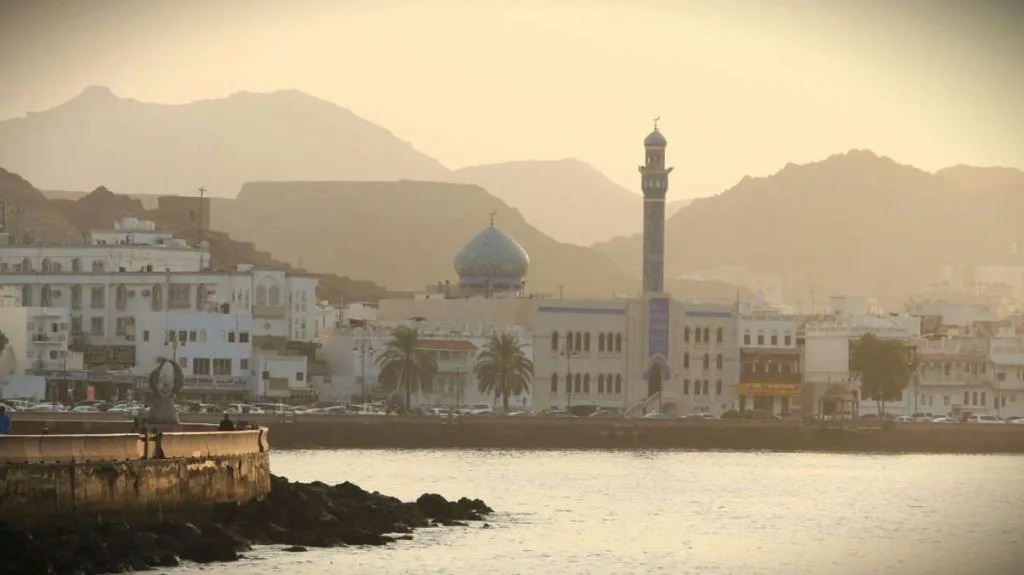
A Nizwa day trip from Muscat costs OMR 69 (USD 69) with a licensed operator, but timing your visit within the Omani calendar matters far more than transport cost. Most first-time visitors arrive during October–March when daytime highs sit between 28–32°C; arrive in June and you'll face 48°C heat that closes many attractions by 11 a.m. Ramadan 2024–2025 shifts shop hours and restaurant availability unpredictably. This guide decodes when to book your Muscat–Nizwa journey and why a three-hour transfer deserves a seasonal strategy, not just a logistics tick-box.
The Nizwa Season Calendar: Which Months Actually Work for First-Timers
Nizwa's charm lies in its Thursday livestock market, centuries-old fort, and surrounding spice bazaar—but all three lose lustre under extreme heat or during religious observance windows. Europeans arriving on Lufthansa, BA, or KLM flights typically land in Muscat between September and April; this window is not accidental. Here's what each season genuinely delivers.
October to March: The Peak Window
This is Oman's high season for tourism, and Nizwa especially rewards visitors here. Daytime temperatures range 28–32°C, making the 20-minute walk through the old souq and 40-minute fort exploration genuinely pleasant rather than a survival test. The Thursday livestock market (historically the region's economic heartbeat) runs with full energy; you'll see Bedu herders, traders, and authentic negotiation—not a tourism performance.
Within this window, November through February is optimal for first-timers. Humidity is lowest, nights dip to 15–18°C (useful if you're camping in Wahiba Sands—contact us for a quote on overnight desert arrangements), and the fort's interior courtyards remain cool enough to explore unhurried. A private sedan transfer from Muscat costs OMR 120 (USD 310) return if booked as a same-day round trip; combining this with the Nizwa day trip (OMR 69 / USD 69) gives you a full operational day for under OMR 190 (USD 279) before meals and entry fees.
Critical first-timer detail: Book your Nizwa slot on a Thursday if livestock market engagement matters to you. The market runs early morning (5–8 a.m. peak) and winds down by noon. Any other day, you see an empty arena and hear explanations from guides—not the real thing. Most tour operators (including our Nizwa day trip at OMR 69) schedule Thursday departures specifically for this reason.
April to September: Heat & Ramadan Risks
April through mid-June sees temperatures climb from 35°C to 48°C. The Nizwa fort closes mid-morning in summer (typically 11 a.m.–4 p.m. closure) to protect both structure and visitors. The souq—normally an afternoon pleasure—becomes a logistics hassle; vendors close, shaded alleys offer minimal relief, and you're fighting heat rather than exploring culture.
More critically, Ramadan 2024 spans March 1–30; Ramadan 2025 begins approximately February 18 (Islamic calendar shifts yearly by ~11 days). During Ramadan, Nizwa's restaurants close until sunset (Iftar, around 6–7 p.m. depending on latitude). Shops reduce hours. Guides and drivers fast, affecting energy and availability. For a first-timer, the entire sensory and social experience of Nizwa diminishes. If you're visiting GCC-based (Dubai, Abu Dhabi), Ramadan is less disruptive for you culturally, but tour availability tightens—book 4–6 weeks ahead instead of the usual 2 weeks.
Khareef (monsoon), June–August, affects only far southern Oman (Salalah), not Nizwa. However, July–August humidity in Muscat and Nizwa remains oppressive (40°C + 70% humidity). First-timers report that even short walks feel exhausting. Attraction entry fees remain the same (OMR 20 for Nizwa Fort), but operational hours and staff availability can shift without notice in extreme heat.
Ramadan & Religious Calendar: How to Plan Around Nizwa's Closure Windows
Ramadan is non-negotiable in Oman planning. Unlike some Muslim-majority countries where tourism continues largely unaffected, Oman observes Ramadan with cultural seriousness. For first-timers, this means real constraints, not minor inconveniences.
What Closes & When During Ramadan
- Restaurants & cafes: Closed 5 a.m.–sunset (typically 6:30–7 p.m.). Tourists can eat in hotel restaurants or some international chains, but local eateries vanish. Budget accordingly if you're exploring on foot.
- Souq hours: Shortened. The Nizwa spice bazaar typically opens 8 a.m.–noon, then 8 p.m.–midnight. Afternoon shopping (1–7 p.m. normally) disappears.
- Fort entry: Usually remains open, but guide availability can be sporadic. Book a private driver (OMR 75 full day / USD 195 sedan, or OMR 90 / USD 234 SUV) to ensure continuity.
- Tour departures: Reduced frequency. Our Nizwa day trip (OMR 69 / USD 69) may run group departures only at 7 a.m. instead of mid-morning options.
First-timer strategy during Ramadan: Eat breakfast (main meal) before dawn, fast symbolically or eat discreetly indoors during daylight, and join locals for Iftar (sunset meal) around 6:30 p.m. Many hotels offer Ramadan buffets; this is culturally respectful and practically necessary. If you're fasting, energy dips—hire a private driver to reduce navigation stress. The OMR 75 (USD 195) sedan full-day rate buys you a driver who knows prayer times and can suggest prayer-friendly stops.
Dates to Avoid or Plan Differently
Beyond Ramadan, Oman observes:
- Eid al-Fitr (post-Ramadan): 2–3 days public holiday. Souks close entirely. Plan a different activity (e.g., Jebel Akhdar day trip at OMR 119 / USD 119).
- Eid al-Adha (Islamic New Year sacrifice feast): Usually June, 2–3 days closure. Again, plan alternative excursions.
- Omani National Day (November 18): Festive but operational; shops and tours run with extra foot traffic. Book ahead.
Weather, Heat & Practical Packing: Season-by-Season Checklist
Seasonal timing isn't just about dates; it's about what you can actually do and what you need to bring. Here's the real-world breakdown for a first-timer:
October–November: Shoulder Season Entry Point
Temperature: 30–35°C daytime, 20–22°C night.
What to pack: Light cotton shirt, sun hat, SPF 50+, light scarf (for fort interior shade and respect in religious spaces), comfortable walking shoes (Nizwa Fort has uneven stone steps).
Why book now: Summer heat is fading but prices haven't peaked. A Muscat–Nizwa sedan transfer (OMR 120 return) is still available at standard rates, and tour groups are smaller, meaning better fort guide attention.
December–February: Peak Season (Book 3–4 Weeks Ahead)
Temperature: 26–30°C daytime, 12–16°C night.
What to pack: Light layers (evenings can surprise), good walking shoes, sunscreen, hat. If combining Nizwa with Wahiba Sands overnight (OMR 129 / USD 129), bring a warm fleece for desert nights.
Why book early: European school holidays (late December, half-term February) drive up demand. Our Nizwa day trip (OMR 69 / USD 69) may sell out group departures; private driver option (OMR 75 sedan full day / USD 195) stays available but books weeks ahead.
Bonus: Clear night skies in Wahiba Sands make stargazing unforgettable—pack a basic tripod if astronomy interests you.
March–April: Late Peak & Heat Transition
Temperature: 32–38°C daytime, 18–22°C night.
What to pack: Lightweight, breathable fabrics; sunglasses with UV protection; moisture-wicking socks for long walks.
Booking note: This overlaps early Ramadan (2025: Feb 18 onward). If Ramadan is active, see the section above. If not, this is still pleasant—book 2 weeks ahead. Nizwa Fort begins mid-morning closures (10 a.m.–2 p.m.) by late April, so schedule fort visits before 9:30 a.m.
May–September: Not Recommended for First-Timers
Temperature: 40–48°C daytime.
Why avoid: Nizwa Fort interior reaches 45°C; even locals recommend skipping midday visits. Souq vendors are fewer, fatigue is real, and the "authentic experience" becomes a heat survival story. If you must visit (business travel, fixed dates), book a private driver (OMR 90 SUV full day / USD 234 with AC) and hire a guide for early-morning-only exploration (5:30–10 a.m.). Expect limited tour operator group departures; contact us for custom scheduling.
Booking Strategies by Season: Timing Your Reservations
When you book matters as much as what season you choose. Here's the first-timer playbook:
Peak Season (Dec–Feb): Book 4–6 Weeks Ahead
European visitors on BA/Lufthansa/KLM winter escapes fill hotels and tours. Our private sedan transfer from Dubai to Muscat (OMR 110 (~$286 USD)) and the Nizwa day trip (OMR 69 / USD 69) require advance coordination. A 7-day private tour of Oman (USD 1170 / AED 4500) or 5-day itinerary (OMR 220 / USD 572) needs guide availability confirmation. Booking 4–6 weeks ahead also locks in rates before any seasonal surcharges (rare but possible in December).
Shoulder Seasons (Oct–Nov, March–April): Book 2–3 Weeks Ahead
Sweet spot for solo travelers and smaller groups. Guides are available, pricing is stable, and you still get genuine Nizwa atmosphere. A private driver (OMR 75 sedan / USD 195 full day) can usually be arranged within 10 days, but booking earlier gives you first pick of vehicle type and timing.
Ramadan Windows: Book 6–8 Weeks Ahead + Confirm 2 Weeks Before
Tour operators reduce group departures. Many guides take leave for personal observance. If your dates land in Ramadan 2025 (mid-Feb to mid-March), book the Nizwa day trip (OMR 69 / USD 69) immediately and confirm with a guide 2 weeks prior. Alternatively, hire a private driver familiar with Ramadan logistics; the OMR 75 sedan (USD 195) full-day rate is worth the peace of mind.
Summer (May–Sept): Custom Quote Required
Standard group tours may not run. Contact us for a custom quote on a private Muscat–Nizwa driver (OMR 75 sedan / USD 195 full day, with early-start times). Pricing stays the same, but logistics are tighter. Booking 8+ weeks ahead is recommended to secure a driver willing to work extreme-heat schedules.
First-Timer Itinerary Examples: Seasonal Routes
To tie seasonal timing to real movement, here are three first-timer itineraries:
Scenario 1: November Arrival from Europe (Optimal Season)
Day 1 (Arrival): Land Muscat 2 p.m. Muscat city half-day tour (OMR 45 / USD 45) or rest at hotel. Evening: Old Muscat walk, sunset at Mutrah Corniche (free).
Day 2: Nizwa day trip (OMR 69 / USD 69). Depart 7 a.m., return 6 p.m. Includes fort, souq, Thursday market (if Day 2 is Thursday). Lunch in Nizwa (budget OMR 35 / USD 9 mid-range meal).
Day 3: Jebel Akhdar day trip (OMR 119 / USD 119) for mountain tea plantations and villages, or Wahiba Sands day trip (OMR 129 / USD 129).
Cost for 3 days of tours: OMR 233 (USD 233) before transport, meals, and entry fees (Nizwa Fort: OMR 20).
Transport from Dubai to Muscat: Sedan transfer (OMR 110 (~$286 USD)) if coming from GCC; included in most tour packages if booking multi-day itineraries.
Scenario 2: February Arrival During Peak + Desert Extension
Day 1: Muscat city extended tour (OMR 60 / USD 60) to acclimatize before Nizwa's intensity.
Day 2: Nizwa day trip Thursday morning (OMR 69 / USD 69). Thursday market energy, lunch in Nizwa (OMR 35).
Day 3–4: Wahiba Sands overnight desert camp (OMR 129 / USD 129). Clear February skies, cool nights (15–18°C), authentic Bedu experience. Bedroll & tent included; contact us for catering specifics.
Day 5: Jebel
Frequently Asked Questions
What should first-time visitors know about Nizwa?
The fort takes 90 minutes and is worth every minute. The Friday livestock market (7–11 AM) is the single most authentic experience available to tourists in Oman — if your visit falls on a Friday, prioritise this. The silver souq beside the fort is genuine, not tourist-facing.
How do I get to Nizwa from Muscat?
Private car is the only practical option — 165 km, 90 minutes on Highway 15. No reliable public transport connects Muscat and Nizwa for tourists. A private driver costs from OMR 55/vehicle for the full day.
How much is Nizwa Fort entry?
OMR 5 per person (~$13 USD | ~£10 GBP). The fort is open daily. Check current opening hours before visiting as these can change.
Can I visit Nizwa in half a day?
Yes — fort and souq take 2.5–3 hours. A half-day tour departing Muscat at 8 AM returns you by 1:30–2 PM. This works well if you have afternoon plans in Muscat.
What is the most surprising thing about Nizwa?
The scale of the fort interior. Most visitors expect a small structure and are struck by the size of the circular tower, the complexity of the internal layout, and the quality of the historical exhibits.
Is Nizwa worth visiting without a guide?
The fort and souq are self-explanatory with the information boards inside. A driver-guide adds context about the Imamate history, the silverwork traditions, and the Friday market timing that enhances the visit significantly.
📱 Book Your Tour Online
Get instant confirmation — WhatsApp reply in 15 minutes